Let's discuss How to Master Life-saving Skills Through Specialized Critical Care Courses.
In emergency medicine, every second counts, and the right action can save a life. Clinicians face intense situations where knowledge alone is not enough; practical skills and confidence make the difference.
Critical care courses provide targeted training that bridges theory and hands-on experience, preparing healthcare professionals for high-stakes scenarios. From advanced airway management to real-time monitoring, these programs build the expertise needed to respond effectively under pressure.
By focusing on specialized life-saving techniques, clinicians can enhance patient outcomes and decision-making. Let’s look at how enrolling in critical care courses can sharpen your skills and readiness in unpredictable medical emergencies.
Why Critical Care Courses are Essential for Modern Clinicians
Critical care courses do more than enhance medical knowledge; they prepare clinicians to make fast, accurate decisions when lives are at stake. These programs provide practical strategies, hands-on experience, and exposure to real-world scenarios that improve patient outcomes. Here’s how clinicians benefit from specialized critical care training:
Clinicians learn to quickly evaluate complex cases, prioritize care, and act decisively in high-stakes situations.
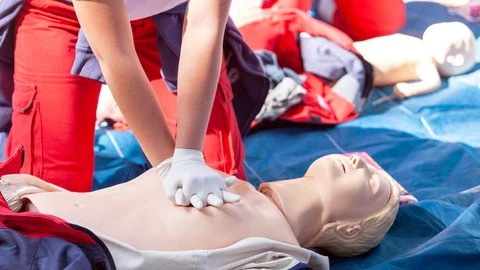
Courses provide hands-on practice for interventions such as intubation, central line placement, and defibrillation.
Clinicians gain proficiency in interpreting vital signs, lab results, and hemodynamic data in real time.
Training strengthens communication and leadership skills, enabling effective management of multidisciplinary teams in critical scenarios.
Participants learn updated protocols for managing sepsis, shock, and multi-organ failure to ensure standardized care.
Clinicians acquire skills in managing mechanical ventilation and other respiratory support systems with confidence.
Courses teach the use of AI-assisted monitoring, predictive alerts, and digital tools to enhance critical care efficiency.
How Critical Care Courses Help Clinicians Apply Knowledge Effectively
Critical care courses go beyond theory, helping clinicians translate knowledge into practice, improve decision-making, and enhance patient care. Here are five ways these programs enable clinicians to apply their skills effectively:
Clinicians experience lifelike simulations that mimic ICU emergencies, allowing them to practise assessment, prioritization, and interventions safely.
These exercises reinforce rapid decision-making under pressure and develop the instinctive responses needed in critical care. Repeated exposure to varied scenarios strengthens the ability to respond confidently when real patients are at risk.
Courses teach systematic approaches for evaluating patient conditions and choosing appropriate interventions quickly. Clinicians learn to make evidence-based decisions even when patient status changes suddenly.
These frameworks reduce hesitation, promote consistency, and ensure decisions align with best practices.
Critical care requires seamless coordination across multidisciplinary teams. Training focuses on clear communication, role clarity, and effective delegation to avoid errors. Clinicians gain confidence in leading teams, influencing decisions, and maintaining cohesion during high-pressure situations.
Clinicians learn to track the effectiveness of interventions and adjust treatment plans in real time. This process encourages continuous learning, critical thinking, and accountability.
Outcome evaluation ensures that patient care is evidence-based and responsive to evolving conditions.
Courses expose clinicians to diverse cases and advanced protocols, enhancing leadership and credibility. They promote resilience and adaptability to manage unfamiliar or high-risk situations confidently.
Participants gain the ability to integrate lessons into daily practice, improving overall clinical impact.
How to Select the Right Critical Care Course for Maximum Impact
Choosing the right critical care program is essential for clinicians who want to advance their skills, improve patient outcomes, and grow professionally. Here are five key considerations to guide your decision:
Evaluate whether the program is online, in-person, or hybrid, and ensure it fits your schedule and learning preferences. Consider flexibility for balancing clinical duties and continuing education requirements.
Accessibility can also include resources such as recorded lectures, downloadable materials, and remote mentorship options.
Check that the course is recognized by medical boards and provides CME credits to support professional licensure. Accreditation ensures the program meets high educational standards and aligns with regulatory requirements.
CME credits can contribute to professional advancement, maintain certification, and demonstrate commitment to ongoing learning. Accredited courses also provide a measurable benchmark of competency for employers and peers.
Ensure the curriculum covers clinical areas relevant to your practice, such as hemodynamic monitoring, sepsis management, or advanced respiratory care. Look for programs that balance theory, evidence-based guidelines, and practical application.
Specialization tracks allow clinicians to deepen expertise in critical areas that align with career goals. Comprehensive content supports versatility in handling diverse critical care scenarios across different patient populations.
Prioritize programs led by experienced critical care specialists who provide guidance, mentorship, and insight into high-pressure decision-making. Faculty with real-world ICU experience bring practical insights that go beyond textbooks.
Mentorship opportunities help clinicians interpret complex cases and make informed decisions in dynamic environments. Regular feedback from faculty enhances learning, builds confidence, and reinforces best practices in patient care.
Transform Your Clinical Impact Through Specialized Critical Care Training
Mastering critical care requires more than theoretical knowledge; it demands confidence, adaptability, and strategic thinking in real-world scenarios. Clinicians who continuously refine their decision-making, team management, and outcome evaluation skills are better prepared to handle complex emergencies and improve patient care.
By focusing on practical application, professionals can transform their expertise into measurable impact within their units. CME course providers such as Oakstone offer structured programs designed to integrate these skills seamlessly into daily clinical practice.
Investing in specialized critical care training enhances leadership potential, strengthens professional credibility, and ensures clinicians are ready for the high-pressure challenges of modern healthcare.