A guide on explaining how digital imaging helps scientists visualize tiny details, improve accuracy, and accelerate research in modern laboratories.
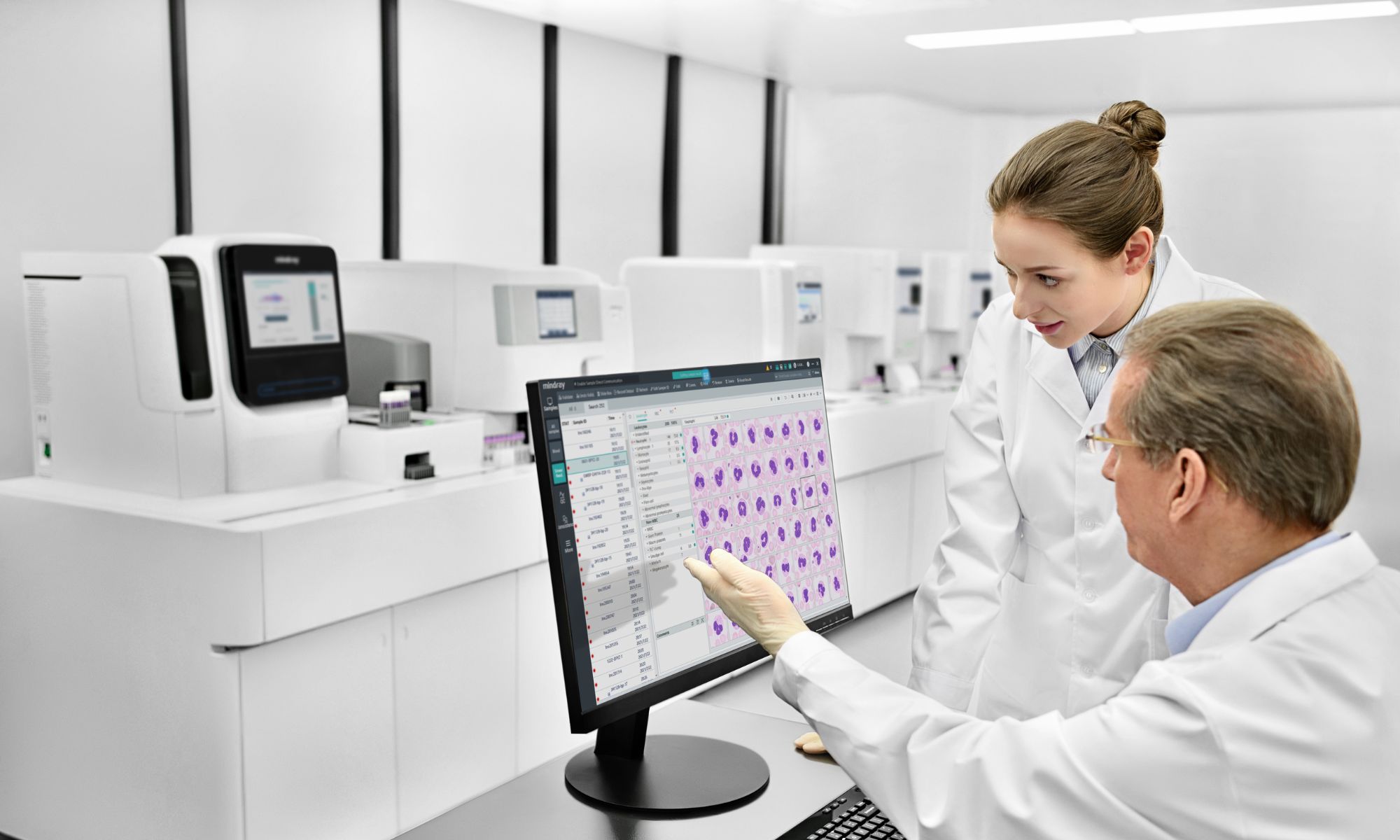
Have you ever wondered how scientists see tiny things in their experiments? Digital imaging helps them capture clear pictures of cells, tissues, and chemicals. It makes studying small details much easier and faster.
Scientists can analyze and share images quickly. This technology helps in making new discoveries. It also improves accuracy in lab work. Labs use digital imaging in many ways every day. Keep reading to see how it changes modern science.
Digital imaging lets scientists capture pictures of tiny objects in labs. It uses cameras or sensors to record images. These images show details that are hard to see with the naked eye. Digital images can be saved and shared easily. Scientists can zoom in or enhance pictures for better study.
This method is faster than traditional photography. It helps track changes over time in experiments. Images can be analyzed using special software. Digital imaging improves accuracy in research. It is a key tool in modern science laboratories.
Modern labs use special equipment for digital imaging. Microscopes are often combined with cameras to capture tiny details. High-resolution cameras help record clear and precise images.
Computers are used to process and store images. Sensors detect light, color, and other important features. Lighting equipment ensures images are bright and accurate.
Some labs use scanners to capture images of samples. Software helps enhance and analyze pictures quickly. Equipment must be calibrated for accurate results. Technicians handle the tools carefully to avoid errors. Proper lab equipment is essential for successful digital imaging.
Scientists use many imaging techniques to study tiny objects. Bright-field imaging uses normal light to show details. Fluorescence imaging uses special dyes to highlight parts of cells.
Confocal imaging takes clear pictures of thin layers. Electron imaging shows very small structures that light cannot see.
Phase-contrast imaging helps make transparent samples visible. Time-lapse imaging captures changes over time. Digital cameras save images for later study and sharing. Some techniques combine methods for better results.
Each technique is chosen based on the sample and research goal. These imaging techniques help scientists learn more about their experiments.
Scientists use different microscopes to study small objects. Light microscopes show samples using normal light. Fluorescence microscopes use special dyes to see parts of cells. Confocal microscopes take clear pictures of thin layers. Electron microscopes show very tiny structures. Stereo microscopes help look at larger samples in 3D.
Digital microscopes can save images directly to a computer. Some microscopes combine methods for better results. Each type is chosen based on the sample and study goal.
Microscopes help scientists see details invisible to the naked eye. Using the right microscope improves research accuracy and understanding.
Modern labs use advanced cameras to capture clear images. High-resolution cameras show tiny details in samples. Some cameras are attached to microscopes for better views. Digital cameras save images directly to computers. Special sensors detect light, color, and shapes.
Cameras can capture still images or record videos. Fast cameras help study changes over time. Some cameras work with fluorescence to highlight cell parts. Image quality depends on the camera and settings.
Scientists use cameras to share results with others. Good camera technology makes lab work faster and more accurate.
After capturing images, scientists use software to process them. Image processing helps make details clearer. Brightness and contrast can be adjusted for better viewing. Scientists can remove background noise from images. Colors can be enhanced to show specific parts of samples.
Measurements can be taken directly from images. Processing helps compare multiple images over time. Some software can stitch images together for a bigger view. Processed images are easier to analyze and understand.
Data from images can be saved and shared with other researchers. Image processing is an important step in modern science labs.
After images are processed, scientists analyze the data. They look for patterns and changes in the samples. Software can measure size, shape, and color of objects. Analysis helps identify cells, tissues, or chemical reactions. Scientists can compare results from different experiments.
Data can show how samples change over time. Charts and graphs are often used to summarize findings. Accurate analysis helps make correct conclusions. Errors can be spotted and corrected during this step.
Data analysis supports research and new discoveries. This process is key to using digital imaging in modern science labs.
Digital imaging helps scientists get accurate results. Clear images show the exact details of samples. Precision ensures measurements are consistent each time. Cameras and microscopes must be properly calibrated. Small errors can affect results, so care is important.
Software helps check for mistakes and improve accuracy. Scientists repeat tests to confirm findings. Accurate and precise data builds trust in research. High-quality images reduce uncertainty in experiments.
Even tiny differences can be measured with precision tools. Accuracy and precision are essential for reliable results in modern science labs.
Digital imaging helps scientists see details they cannot see with the eye. It saves time in experiments by showing results quickly. Researchers can share images with others for collaboration. Studying images helps find patterns and changes in samples. Experiments can be repeated and verified easily.
Digital imaging improves the accuracy of results. Scientists can track changes over time using time-lapse images. Complex structures can be studied without damaging samples.
Data from images supports new discoveries. Imaging makes research more efficient and reliable. These benefits make digital imaging important in modern science labs.
Digital imaging in labs continues to improve with new technology. Scientists are developing faster and more detailed imaging tools. Artificial intelligence helps analyze images automatically. High-resolution cameras can capture smaller structures than before. Some systems combine multiple techniques for better results.
Labs are exploring 3D imaging to study samples in depth. Researchers can track changes in real time. Learning more about microscope cameras helps scientists choose the best tools. New software makes image processing easier and more accurate.
Future innovations will save time and reduce errors. These advances will change how science labs study tiny details.
Digital imaging is essential in modern science laboratories. It helps scientists see tiny details clearly. Accurate images improve research and discoveries.
Advanced tools and techniques make experiments faster and easier. Modern labs rely on imaging to study and understand the world better.
Visit our blog for more!