Know here the Responsibilities, Skills, and Career Outlook for Vet Tech vs. Vet Assistant.
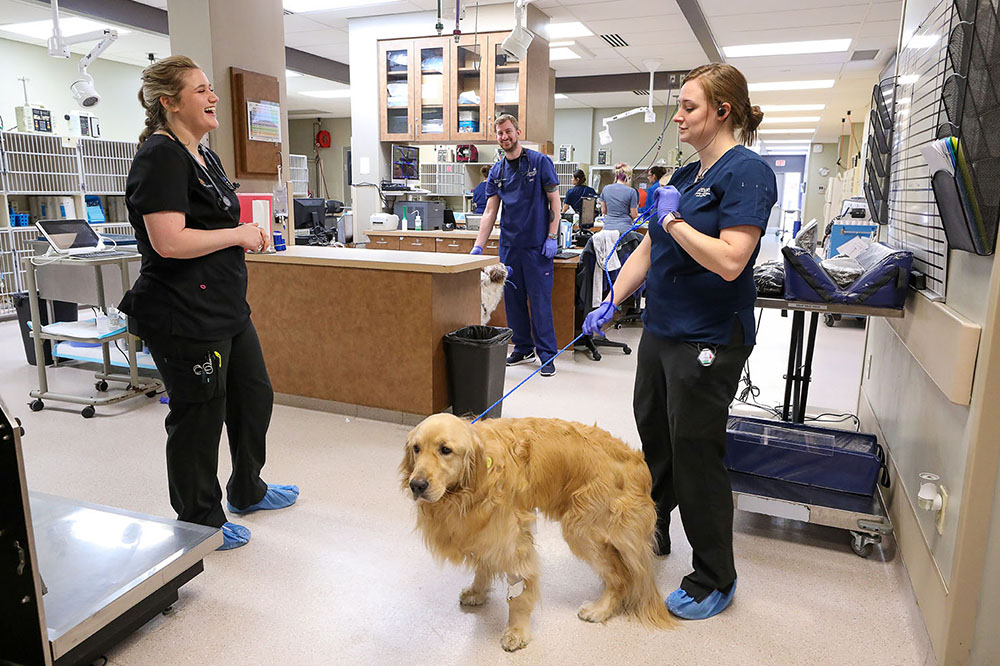
When considering a career in the veterinary field, many people wonder about the roles of a veterinary technician (vet tech) and a veterinary assistant. Both positions involve working closely with animals and veterinarians, but they differ significantly in terms of responsibilities, required skills, and career outlook. If you want to have a rewarding job in veterinary care, you need to know about vet tech vs. vet assistant.
A veterinary technician plays a more specialized role compared to a veterinary assistant. Vet techs are highly trained professionals who have completed a formal education program in veterinary technology, often earning an associate's degree or higher. Their responsibilities include performing diagnostic tests, administering anesthesia, assisting during surgeries, taking X-rays, and monitoring patients' vital signs. They also handle laboratory work, such as testing blood samples and interpreting the results.
On the other hand, veterinary assistants typically have less formal education, although some may complete a certificate program or on-the-job training. Their responsibilities are more focused on providing basic support to veterinarians and vet techs. They help with routine tasks like feeding, bathing, and walking animals, ensuring that pets are comfortable before and after medical procedures. Additionally, veterinary assistants may assist in preparing exam rooms, sterilizing equipment, and maintaining patient records.
While both roles are critical to the operation of a veterinary clinic or hospital, the vet tech’s duties are more clinical and technical, whereas the veterinary assistant’s tasks revolve around general care and support.
The skill sets required for vet techs and vet assistants vary based on their responsibilities.
Veterinary Technicians need to have a solid foundation in animal anatomy and physiology, pharmacology, and medical procedures. They should also be adept in handling medical equipment and performing laboratory tests. Strong communication skills are essential since vet techs interact with pet owners, veterinarians, and other staff members regularly. Additionally, they must be detail-oriented, as they often administer medications and track the progress of treatments. Compassion and empathy are also crucial, as they work with animals that may be in pain or distress.
Veterinary Assistants, while also requiring compassion and empathy, must be skilled in basic animal care, customer service, and organization. They should be comfortable handling animals, ensuring their safety and comfort during examinations or treatments. Veterinary assistants also need to be able to manage various tasks simultaneously, from maintaining cleanliness in the clinic to assisting with administrative duties. A strong ability to follow instructions and work as part of a team is essential, as their role is largely supportive to veterinarians and vet techs.
The career outlook for both vet techs and vet assistants is promising, but the growth potential for each position differs.
Veterinary Technicians typically have a higher earning potential and more career advancement opportunities than veterinary assistants. That's what the U.S. Bureau of Labor Statistics (BLS) says the average vet tech made each year in 2022: $37,000. Some more experienced workers made more, though. As the demand for animal care services increases, especially with a growing number of pet owners, the need for qualified vet techs is expected to rise. Vet techs can also specialize in areas like dentistry, cardiology, or emergency care, which can open up additional career opportunities and higher salaries.
In comparison, veterinary assistants generally earn less, with a median annual wage of around $30,000, according to the BLS. However, the demand for veterinary assistants is also expected to grow as the pet care industry expands. Veterinary assistants may find opportunities to advance to roles like vet techs or office managers with further education or training, allowing for salary increases and additional job responsibilities.
It's important to think about your long-term job goals, the type of work you want to do, and whether you want to be a vet tech or a vet assistant. If you are passionate about hands-on clinical work, enjoy taking on more responsibilities, and are prepared to invest in formal education, a career as a veterinary technician may be the best fit. If you’re looking for a role that allows you to be close to animals and veterinarians without extensive schooling, a veterinary assistant position could be a great choice.
Both careers offer the chance to make a meaningful impact on animal care, and with the right training and dedication, either path can lead to a rewarding and fulfilling career in the veterinary field.