Let's discuss How to Maintain Your Electric Bike So It Lasts for Years Without Major Repairs.
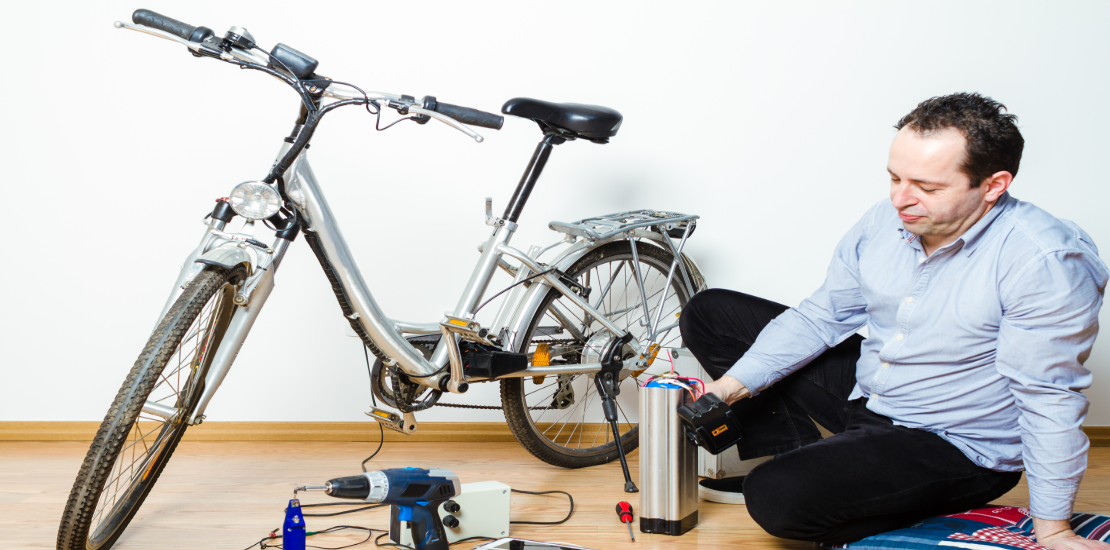
An electric bike is a meaningful investment, and like any investment worth making, it rewards the attention and care you put into maintaining it. The good news is that electric bike maintenance is considerably simpler than car maintenance and does not require specialized mechanical knowledge to handle the tasks that make the most difference in long-term reliability and component lifespan. Understanding what your electric bike needs, how often it needs it, and the few things worth leaving to a professional creates a maintenance approach that keeps your bike running well for years without the kind of major repairs that come from neglect.
The Battery Is Your Most Important Maintenance Priority
The battery is the most expensive single component on any electric bike and the one most affected by how it is treated over its lifespan. Lithium-ion batteries degrade over charge cycles, and while this degradation is inevitable, the rate at which it happens is significantly influenced by charging habits and storage practices that are entirely within the rider's control.
Avoid regularly charging the battery to 100 percent and discharging it completely to zero. Both extremes accelerate cell degradation relative to keeping the battery in the 20 to 80 percent charge range for routine daily use. Most riders find that charging to 80 percent is adequate for daily commuting distances, with full charges reserved for longer rides where the maximum range is genuinely needed.
Store the battery at a moderate state of charge, around 40 to 60 percent, if the bike will not be used for an extended period such as winter storage. A battery stored at near-zero charge for months will suffer accelerated degradation that shortens its overall useful lifespan more than normal cycling ever would.
Temperature extremes affect battery health in storage as well as in use. Storing the bike in spaces that reach very high temperatures in summer or very low temperatures in winter is harder on the battery than indoor storage at moderate temperatures. Dirwin Bike designs its battery systems with quality cells and management systems that handle real-world conditions well, but storage conditions that stay within moderate temperature ranges extend battery life measurably over the full ownership period.
Chain and Drivetrain Care
The chain and drivetrain components on an electric bike experience higher loads than the same components on an unassisted bicycle because the motor adds torque that accelerates chain and cassette wear. Keeping the chain clean and properly lubricated is the single most effective maintenance habit for extending drivetrain component life and reducing the frequency of chain and cassette replacement.
Clean the chain with a degreaser and chain cleaning tool every 100 to 200 miles of riding in typical conditions, more frequently if riding in wet or muddy conditions that accelerate contamination buildup. After cleaning and drying the chain thoroughly, apply a fresh coat of chain lubricant appropriate for your riding conditions, using a wet lube for wet weather riding and a dry lube for dry conditions, since using the wrong type reduces lubrication effectiveness and accelerates dirt accumulation.
A well-maintained chain lasts significantly longer than a neglected one and reduces wear on the cassette and chainring that replacing a chain alone cannot reverse once those components have been worn by a stretched chain running on them for too long.
Brake Maintenance and Inspection
Hydraulic disc brakes, which are standard on most quality electric bikes including those in the Dirwin Bike lineup, require minimal regular maintenance but benefit from periodic inspection to catch wear and fluid issues before they affect braking performance. Check brake pad thickness every few months of riding and replace pads before they wear to the metal backing plate, which damages rotors and reduces braking effectiveness simultaneously.
Brake levers should feel firm and consistent at a consistent pull point throughout the braking arc. A spongy feel or a lever that pulls further toward the handlebar than usual indicates air in the hydraulic system that requires bleeding to restore proper feel and performance. This is a task best left to a professional mechanic if you are not comfortable with hydraulic brake systems, as improper bleeding can introduce more air rather than removing it.
Tire Care and Pressure Management
Maintaining correct tire pressure is one of the simplest and most impactful maintenance habits for both ride quality and component longevity. Underinflated tires increase rolling resistance, reduce range, cause uneven tire wear, and increase the risk of pinch flats on impacts that a properly inflated tire would handle without damage.
Check tire pressure before every ride or at minimum weekly for regular riders. Fat tires on off-road models typically run at lower pressures than road tires, and the correct pressure range varies between surfaces: lower pressure for off-road traction and higher pressure for pavement efficiency within the tire's rated range.
Inspect tires periodically for cuts, embedded debris, and sidewall wear that could lead to failure during a ride. A small cut that does not penetrate through the tire carcass can often be left in place, while cuts that expose the inner casing or a sidewall showing fabric beneath the rubber indicate a tire that should be replaced before its next extended use.
Electrical System Care
The electrical system of a quality electric bike requires minimal user maintenance but benefits from regular inspection of connection points and cable routing. Check that motor and battery connection points are clean and free from corrosion, particularly if the bike is ridden in wet conditions regularly or stored in a damp environment. Clean connection points with a dry cloth and apply a small amount of dielectric grease to metal contact surfaces if corrosion is beginning to form.
Motor units themselves are sealed and require no user maintenance beyond keeping the motor housing clean and inspecting the mounting bolts periodically for tightness. If the motor produces unusual sounds or the pedal assist behavior changes noticeably, these are symptoms worth having a professional diagnose rather than attempting to address independently without the appropriate tools and training.
Annual Professional Service
Even for riders who handle routine maintenance confidently, an annual professional service inspection adds value that self-maintenance alone cannot provide. A professional mechanic working on electric bikes routinely identifies bearing wear, cable stretch, hydraulic system condition, and frame fatigue that develops gradually enough to escape notice during routine self-checks but matters for safety and long-term reliability.
Dirwin Bike nationwide dealer network makes professional service access a practical option rather than a logistical challenge for most riders. Establishing a relationship with a local dealer who knows your specific model simplifies the service process and ensures the mechanic working on the bike understands its systems and specifications thoroughly. Consistent maintenance, split between routine self-care and annual professional attention, is the straightforward path to an electric bike that delivers years of reliable service and protects the investment you made when you purchased it.