Let's explore When Should Facilities Install Humidity Sensors for Process Control.
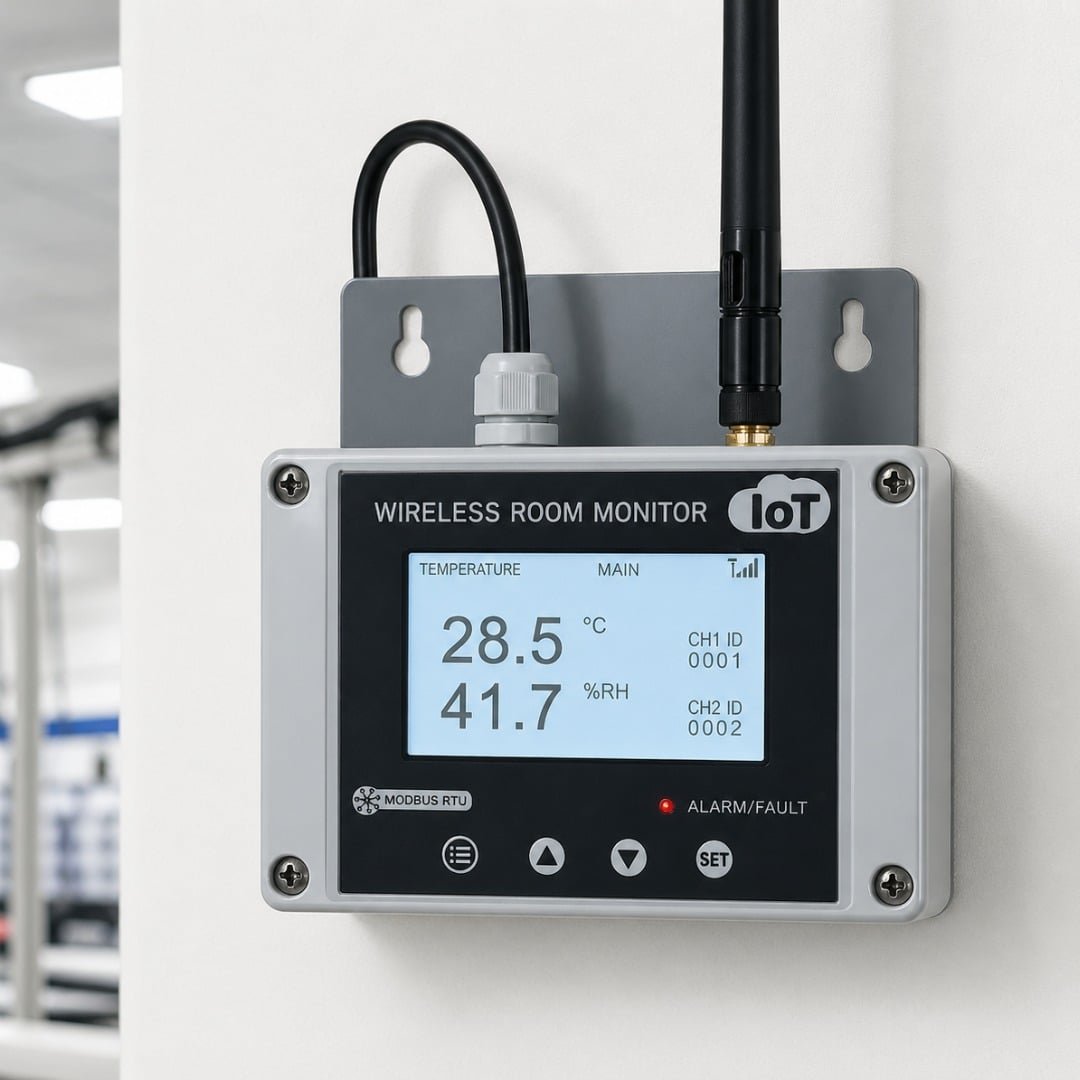
Modern facilities are designed around precision, visibility, and consistent process performance. Air conditions play a quiet role in this balance, especially inside controlled production zones. Moisture levels can influence how materials move, settle, cure, or stay ready for use.
As plants upgrade electrical panels, automation systems, and connected monitoring, moisture measurement deserves early attention. The question of when to install humidity sensors for process control often depends on process design, material sensitivity, and maintenance access.
It also connects with power distribution, HVAC planning, and future expansion needs. With a thoughtful approach, moisture measurement becomes part of a larger control strategy. Let's explore where these devices can support smarter facility decisions.
Key Moments to Install Moisture Monitoring Devices
Each facility has unique process needs, yet some stages make moisture measurement especially valuable. This planning also helps teams align sensors with control panels, cabling routes, calibration schedules, and future automation upgrades.
1. During High-precision Production
Precision manufacturing depends on stable conditions across shifts, batches, and process zones. Facilities making electronics, batteries, optical parts, medical devices, or specialty coatings often plan moisture monitoring early.
Humidity sensors can be placed near assembly areas, cleanrooms, coating lines, or testing zones. This placement helps PLCs receive timely data for steadier control loops and better process visibility.
2. Before Commissioning New Process Lines
The best time to plan moisture measurement is before a new line reaches commissioning. Engineers can define sensors, cable routes, panel space, and display points early. This helps the automation layout stay organized and service-friendly.
During commissioning, teams can verify signals, set control values, and compare readings across zones. With this approach, humidity sensors become part of the process control strategy from the start.
3. Upgrading HVAC and Air Handling Systems
HVAC automation becomes more effective when it receives accurate field data. Air handling units depend on inputs for dampers, coils, fans, actuators, and control valves. Humidity sensors help systems respond to room conditions with steady precision.
When connected to a building management system, moisture data supports smarter air control. Variable Frequency Drives (VFD) can regulate fan speed according to real-time airflow needs. Control panels can show temperature, relative humidity, and dew point together.
4. Materials Need Stable Air Conditions
Many materials respond closely to atmospheric moisture. Paper, textiles, powders, grains, adhesives, films, wood, and chemicals may change in weight, texture, flow, or curing behavior.
Humidity sensors near storage, mixing, and packaging areas help teams manage these conditions with clarity. Good placement should reflect airflow, material exposure, and equipment layout.
Electrical teams may use conduits, junction boxes, IP-rated enclosures, shielded wiring, grounding, and surge protection.
5. Inside Dry Rooms and Controlled Enclosures
Dry rooms, cleanrooms, and controlled enclosures often need close environmental supervision. Battery assembly, pharmaceutical handling, and component storage may require defined moisture levels.
In these spaces, dew point measurement can be as useful as relative humidity. Humidity sensors help verify that controlled areas remain within the planned process range.
Installation points may include return air ducts, entry zones, process chambers, or glove boxes. Selection should consider sensor range, response time, enclosure rating, calibration access, and voltage.
Building Better Control With Moisture Intelligence
Reliable process control grows from clear data, sound electrical design, and well-planned automation. Moisture measurement adds another useful signal to this connected environment.
Partnering with a reputable electrical brand provides access to dependable components, application support, and automation-ready solutions. It also helps facilities choose devices that work well with PLCs, panels, VFDs, transmitters, and monitoring platforms.
With careful planning, moisture data becomes more than a reading on a screen. It becomes a steady input for quality, efficiency, safety, and long-term operational confidence. This supports future-ready facilities where every control signal has a clear purpose.