

This article offers practical design tips inspired by top brands to help businesses create eye-catching, engaging, and effective trade show booths.
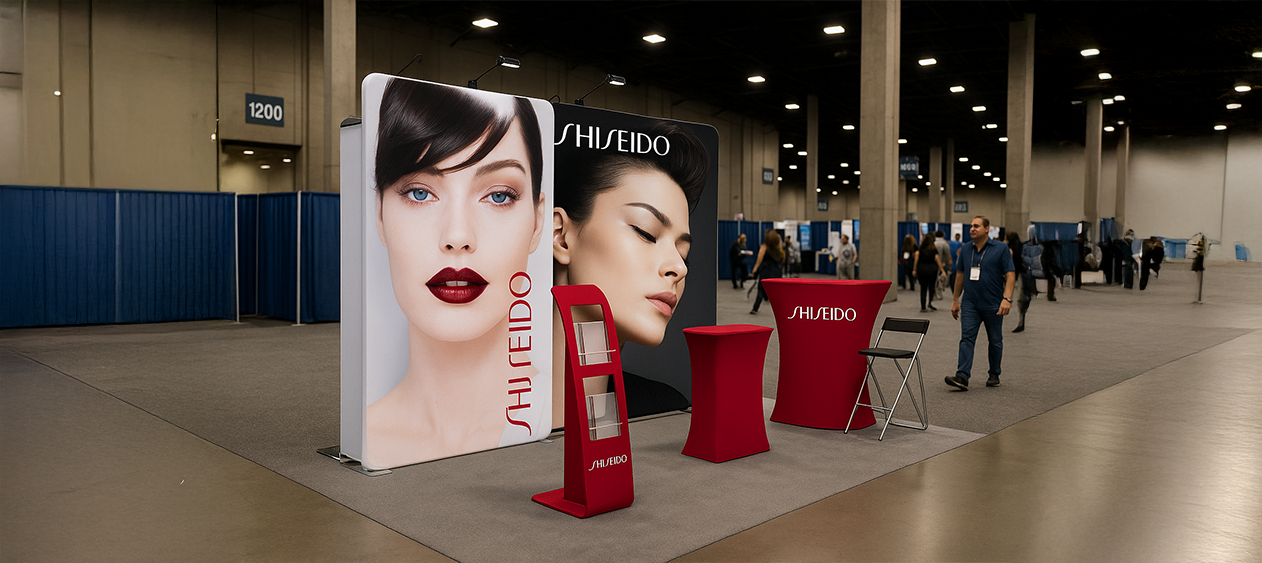
When you walk through a trade show, you instantly notice the difference between booths that draw a crowd and those that barely get a glance. Some brands manage to stop people in their tracks, while others struggle to stand out. That difference doesn’t come from luck, it comes from smart design choices that grab attention and spark curiosity.
Top brands like Apple, Nike, and Google use trade show display booth designs as a powerful marketing tool. They build spaces that invite, engage, and leave a lasting impression. You can do the same. In this discussion, you’ll find simple, proven design tips these top brands use to stand out, and you’ll learn how to apply them to your own booth for better visibility and bigger impact.
When someone walks past your booth, they should instantly understand who you are and what you offer. Top brands always keep their messaging simple and focused.
For example, Apple’s trade show booths are a masterclass in minimalism. They use clean white spaces, clear product displays, and very little text. The brand’s iconic logo and sleek products do most of the talking.
To follow this approach, make sure:
Think of your booth as a billboard. You only have a few seconds to catch someone’s attention.
In a crowded hall, people notice visuals before anything else. That’s why top brands invest in bold, high-quality graphics.
Nike, for example, often uses huge images that capture movement and energy. Their booths are filled with action-packed visuals that instantly communicate their brand values—performance, style, and emotion.
You don’t need a massive budget to make a visual impact. Just focus on:
Avoid small photos, blurry graphics, or hard-to-read fonts. Go big and bold.
Have you ever walked past a trade show booth that looked too crowded or hard to enter? You probably didn’t stop, and neither will your visitors.
Top brands design their booths to feel open and welcoming. Google is known for using wide, open spaces with minimal barriers. Their layouts encourage people to come in, walk around, and interact freely.
To make your booth more inviting:
An open booth feels more friendly and less intimidating. It encourages people to explore.
People love to touch, try, and interact. That’s why interactive elements are such a big part of successful booth design.
Samsung, for example, often uses virtual reality stations, touchscreens, and product demo areas. These experiences not only grab attention but also keep visitors engaged for longer.
Here are some easy ways to add interaction to your booth:
Interactive booths create memorable experiences—and that’s what people remember after the event.
Lighting is one of the most underrated parts of booth design. But top brands know that lighting can dramatically change how a booth looks and feels.
Tesla, for example, uses strong spotlights to highlight their cars, along with subtle mood lighting to create a sleek, futuristic vibe.
Even if you’re working with a smaller space, you can still make an impact with lighting. Try:
The right lighting makes your booth feel more professional, polished, and appealing.
Design isn’t just about looks—it’s also about convenience. Big brands use booths that are modular and easy to set up because time and space are often limited at events.
Companies like Slack use lightweight materials, foldable walls, and portable signage that can be assembled quickly. It saves time, effort, and money.
Some tips for practical booth design:
Being efficient behind the scenes helps you focus more on engaging visitors during the event.
Even top brands have learned the hard way what works—and what doesn’t. Here are some common trade show booth mistakes to avoid:
To conclude it can be said that great booth design doesn’t have to be complex. Top brands focus on clear messaging, bold visuals, open layouts, and interactive elements. They also add smart lighting, keep things practical, and avoid common mistakes. Top brands succeed because they plan with purpose. Now you can too. Use these tips to make your next trade show booth more engaging, professional, and unforgettable.
1. What makes a good trade show booth design?
A good trade show booth design is clean, visually striking, and clearly communicates your brand and message. It should include your logo, colors, engaging visuals, and space for interaction This makes it easy for visitors to understand who you are instantly.
2. How do you attract people to a trade show booth?
To attract people, use eye-catching graphics, friendly staff, free giveaways, and interactive elements. You have to make the booth welcoming and lively.You can also offer demos, contests, or snacks. A warm greeting and open body language often work better than flashy displays alone.
3. How do you stand out at a trade show booth?
Stand out by being creative and different. Use bold designs, motion displays, live product demos, or themed experiences. Offer something memorable that others don’t have. Your booth should reflect your brand in a fun, surprising, and attention-grabbing way.
4. How to prepare for a trade show booth?
This is started by setting clear goals. Then you have to design a booth that matches those goals and your brand. Train your team, promote before the event, pack essentials, and prepare marketing materials. Also, plan how to follow up with leads after the show.
5. How to make a booth interesting?
You can make your booth interesting by using interactive experiences, demos, games, or multimedia displays. You can also keep the space engaging and energetic with music or visuals. Friendly, enthusiastic staff and small comforts like seating or charging stations can encourage people to stay longer.
6. What are the criteria for booth design?
Effective booth design includes visibility, clear branding, good lighting, functional layout, and audience engagement. It should reflect your brand, attract attention from afar, and invite people in. Simplicity, creativity, and space for conversation or product interaction are essential elements.


