Explore how Qt empowers AI/ML-powered medical devices with responsive, compliant interfaces and real-time performance across platforms.
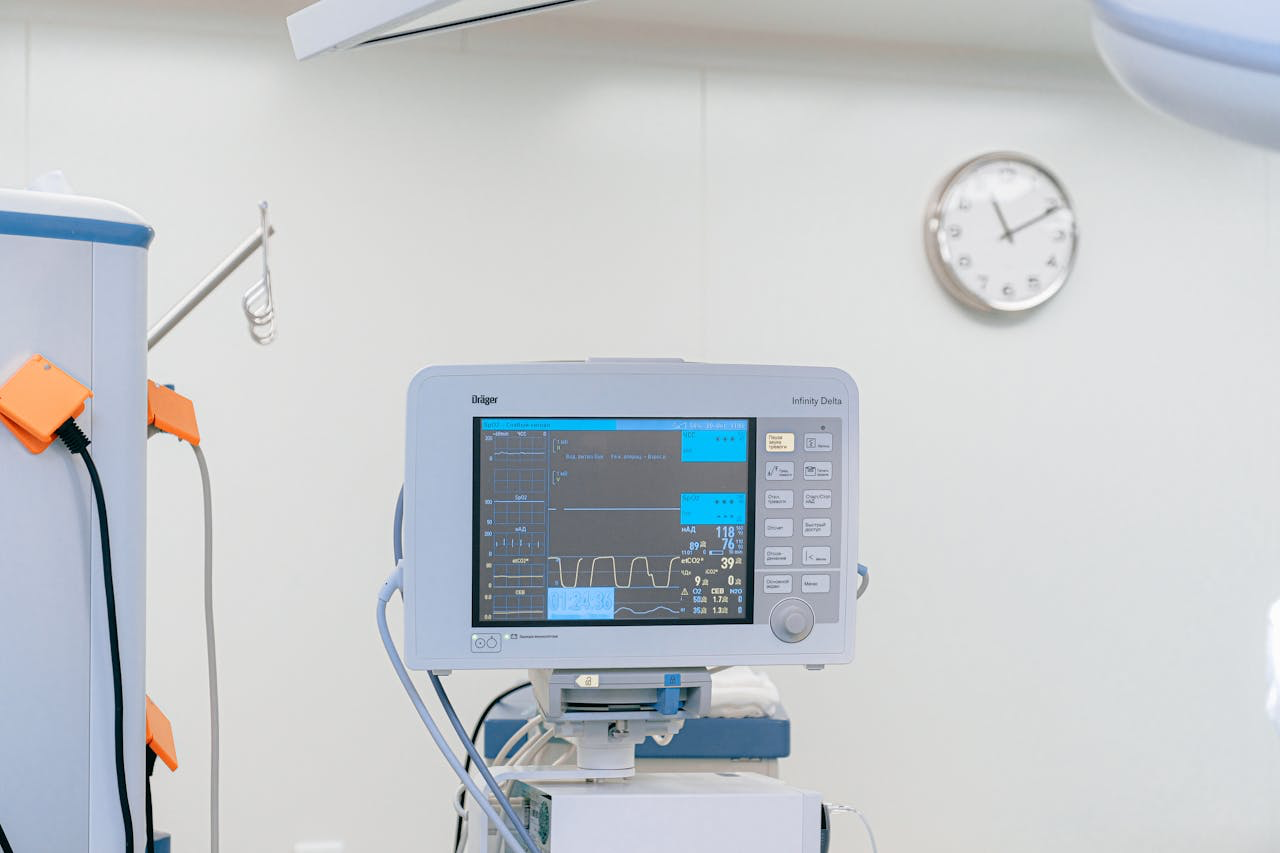
In the rapidly evolving field of healthcare technology, medical devices are no longer just mechanical instruments—they are becoming intelligent systems powered by artificial intelligence (AI) and machine learning (ML). From diagnostic imaging to wearable monitoring tools, the integration of AI/ML has opened the door to unprecedented accuracy, efficiency, and patient personalization.
However, behind the scenes, the successful deployment of these intelligent systems relies heavily on robust, flexible, and user-friendly software interfaces. This is where Qt, a widely adopted cross-platform application development framework, plays a critical role. Qt’s ability to seamlessly integrate with AI/ML libraries is proving to be a game-changer in medical device software development.
Qt is known for its rich set of features that enable developers to create highly responsive, graphically advanced applications. In the medical device world, user experience is paramount—clinicians and patients must be able to interact with software quickly, intuitively, and safely. Qt’s mature GUI tools, cross-platform capabilities, and extensive support for embedded systems make it an ideal choice for medical device manufacturers.
Moreover, Qt is compatible with a variety of hardware and operating systems (including real-time operating systems), making it highly suitable for FDA-regulated environments. It also supports localization, accessibility, and internationalization—crucial for medical products marketed globally.
Artificial intelligence is already reshaping how medical devices function:
The software behind these functions must process data in real time, display results understandably, and enable seamless clinician interaction. Integrating AI/ML into these devices enhances diagnostic confidence, speeds up decision-making, and can even reduce hospital readmissions.
So how do you connect a powerful front-end framework like Qt with the computational depth of AI/ML libraries such as TensorFlow, PyTorch, or ONNX?
Here are the key methods:
Many AI/ML models are developed in Python, which remains the go-to language for data science. Qt for Python (PySide6) allows developers to write Qt-based UIs directly in Python, enabling smooth integration with AI/ML models:
For instance, a handheld ultrasound device can use a Python-based ML model to detect anomalies and use Qt to display highlighted areas in the scan for clinician review.
Medical devices often run on embedded hardware where performance and latency are critical. In such cases, AI models are converted to formats like ONNX or optimized via TensorRT for C++ inference.
Using Qt C++, developers can:
This approach balances AI capabilities with strict performance, memory, and power consumption constraints—vital in portable or implantable devices.
Some applications separate the AI processing from the UI entirely. For example, a backend service (on the device or in the cloud) processes sensor data using AI models, and the Qt interface communicates via:
This architecture allows for modular development and easier updates to AI components without altering the UI, which may be subject to regulatory constraints.
In the U.S., the FDA and international regulatory bodies are increasingly supportive of AI/ML in medical software—but with strict guardrails.
Qt’s structured development process supports IEC 62304 compliance for software lifecycle processes, and offers tools for:
When integrating AI/ML, manufacturers must also address concerns such as:
Qt’s modular architecture and clean API boundaries can help isolate AI logic, simplifying compliance and validation.
For leaders in the medical device industry, integrating AI/ML with Qt is not just a technical strategy—it’s a business enabler. Qt offers the tools and flexibility needed to build powerful, intuitive user interfaces across platforms, from desktop systems to embedded devices. This allows companies to focus on delivering differentiated products without getting bogged down in UI compatibility or performance issues.
Artificial intelligence and machine learning are driving a wave of smarter, more responsive medical devices. Whether it’s early diagnostics, real-time monitoring, or predictive care, AI has the potential to drastically improve outcomes and reduce costs. Qt makes it feasible to bring these capabilities to the front lines of care, thanks to its robust support for modern programming languages and AI frameworks.
Because Qt integrates smoothly with both Python-based ML development and high-performance C++ inference engines, development teams can choose the right architecture based on performance, hardware, and regulatory needs. This flexibility is especially important in regulated markets, where compliance, traceability, and long-term support are non-negotiable.
Finally, companies that embrace this integration will benefit from faster time-to-market, improved product quality, and better user experiences. By building devices that are not only intelligent but also usable and trustworthy, medical device manufacturers can gain a significant competitive edge in a rapidly evolving healthcare landscape.