A boiler is an equipment used to heat water in households, commercial buildings, and industries.
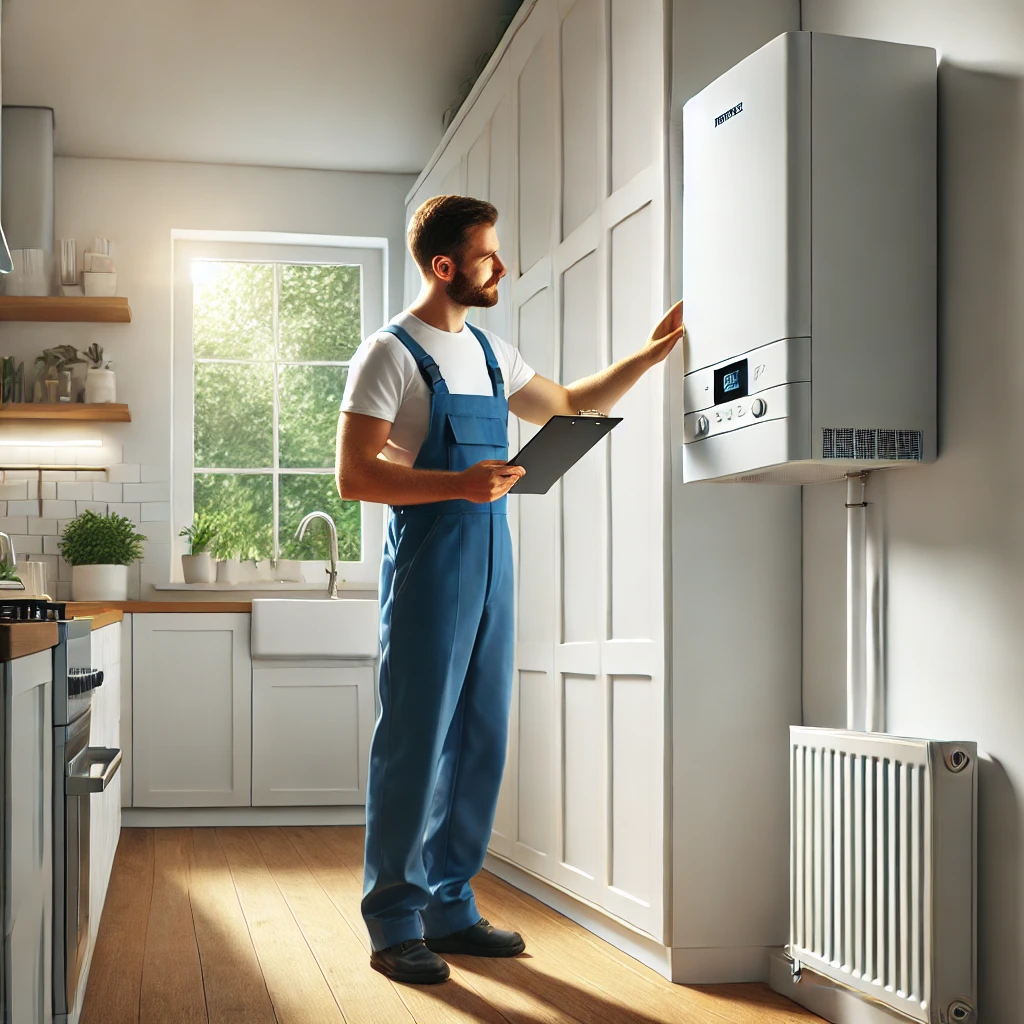
It comprises several subsystems, each of which has a crucial function in the proper and safe running of the device. Here is a detailed description of each component:
The heating element is the main element of the boiler, which is used to heat the water. Resistance heats with a resistive material through which the energy flows out as current does. A heating element comprises a metal tube in the central part with nichrome as its most typical material. When the electric network supplies an electric current, the heater gets hot and transfers heat to water. ?fter a short while, other ingredients of the heat process go up, and temperatures are quickly achieved. The?TEN is one of the significant subassemblies of a water heater since it defines how rapidly and efficiently the gadget will warm water. Boilers with a heating element cannot perform the above functions.
A safety valve is one of the safety appliances installed on the boiler to avoid reaching high temperatures and or pressure. If the system pressure gets beyond permissible the valve opens and releases excessive water or steam to prevent an explosion or dangerous circumstances in boilers. It is an important factor in the safety of the users. It can also be mentioned that the safety valve is the one necessary for using a boiler. If the boiler malfunctions, the pressure build-up becomes dangerous, which leads to serious accidents when it occurs. Having it around is a safety thing, an invaluable assurance that is often quite vague.
If the safety valve on the boiler fails, a plumber must be called immediately to avoid a dangerous increase in pressure or temperature. Delaying repairs can lead to serious accidents, including explosion or equipment damage. A professional emergency plumbers Mississauga will quickly diagnose the problem and ensure the safe operation of the boiler. Calling a specialist is a guarantee of safety for you, your family and your property.
Magnesium anode protects the internal tank of the boiler from corrosion. The magnesium anode is located inside the boiler and gradually corrodes instead of the metal walls of the tank, thus protecting them from corrosion damage. The anode undergoes chemical reactions with water, minimizing water's effect on the metal parts. Magnesium anode is part of the water system that helps increase the durability of a water heater by discouraging/ minimizing corrosion. As corrosion will likely affect the construction and the heating efficiency, the water heater must have a magnesium anode.
The thermostat is the system element that is chiefly mandated to monitor and regulate the temperature of water in the boiler to the desired level. This thermostat switches the heater on and off depending on the temperature as required through a probe within the water tank. For example, when the water in the heater gets to the planned temperature, the thermostat powers off the heating element to avoid overheating. When the temperature decreases, the thermostat switches on the heating element to heat the water again. Importance: Thermostat regulates the water temperature and the boiler’s protection mechanism. With this part in mind, the device will heat up or not attain the optimal temperature for efficient operation, thus malfunctioning.
Internal tank as the storage tank where the heated water is stored. The boiler tank tends to be made of stainless steel or has a special coating to make it more corrosion-resistant and efficient. It contains all the hot water it stores, ensuring it is always available. The inner tank is the key element of the boiler, as it determines how much water can be heated at a time. It needs to be very durable and corrosion-resistant to be long-lasting and not be affected by the water quality or the device used.
Thermal insulation maintains heat in the boiler where it is produced rather than the heat being lost in the environment. Thermal insulation covers the inside tank of the boiler and minimizes heat loss considerably. It is effective in heating water and will provide hot water for a long time. Thermal insulation is important for the energy efficiency of a water heater. Thanks to it, the water in the tank remains hot for several hours after heating, which reduces energy consumption and ensures the device's efficiency.
Every part of a water heater plays a specific function in the general functioning of the device as well as its safety. The heating element, thermostat, magnesium anode, safety valve, internal tank, and thermal insulation collectively provide the required water heating conditions, long heat exchanger service life, and user safety. All these have to be integrated to enhance the Water heater's efficiency by minimizing the chances of a breakdown and energy costs.