Pads for Weight Loss
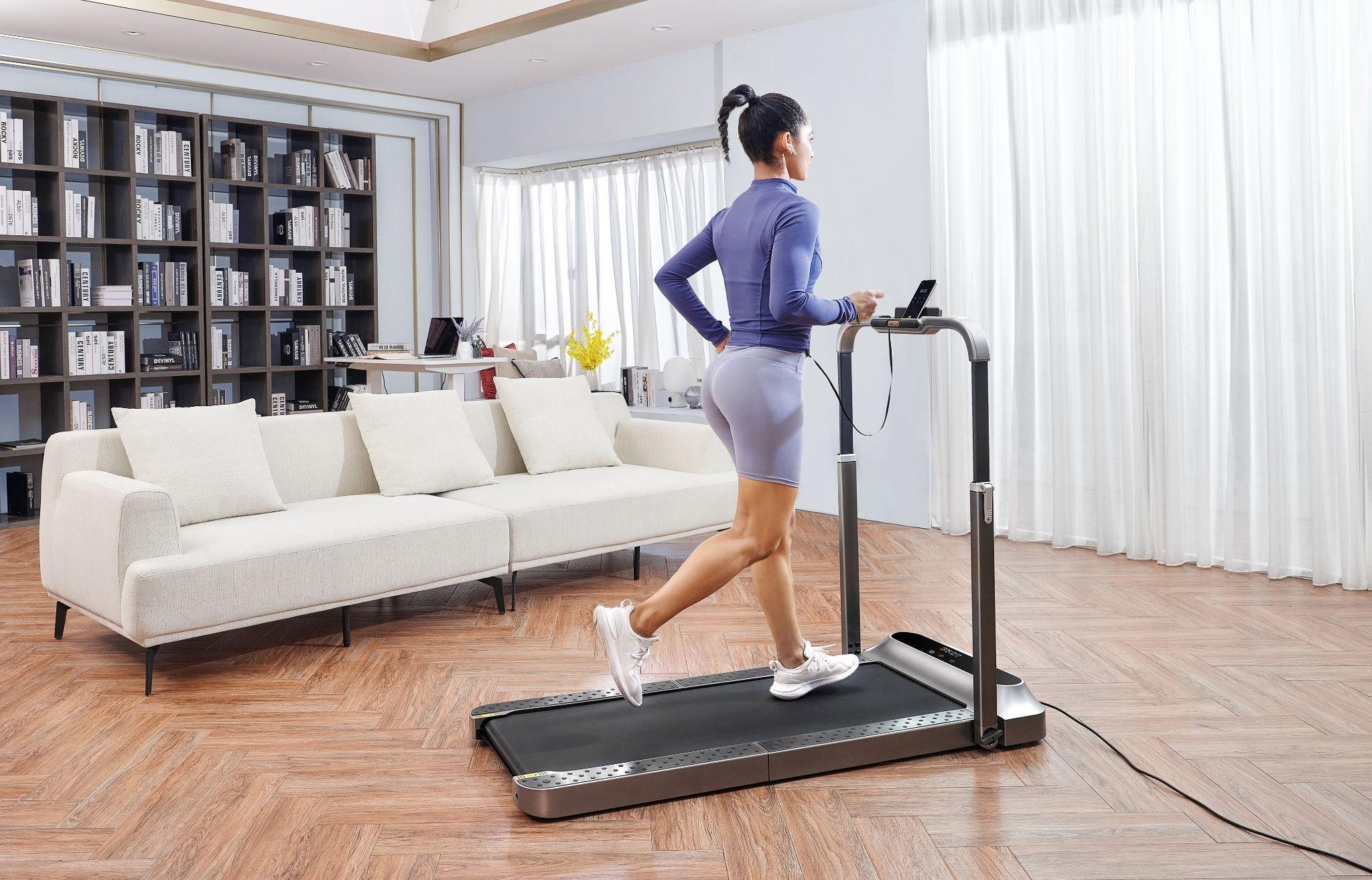
Walking pads are effective for weight loss, but not in the way most product pages describe it. They work by increasing your daily calorie burn through consistent, low-intensity movement rather than through any single dramatic workout. The research on treadmill desks backs this up with real numbers, not just marketing claims — but it also shows walking pads are a gradual tool, not a shortcut. Here's what the actual studies say, how many calories you can realistically expect to burn, and how to use one in a way that produces results.
The mechanism behind walking pads has a name: NEAT, or non-exercise activity thermogenesis. It refers to all the energy your body burns through daily movement that isn't formal exercise — walking, standing, fidgeting, and similar low-level activity.
Dr. James Levine, the Mayo Clinic endocrinologist who pioneered NEAT research, found that NEAT can vary by as much as 2,000 calories a day between two people of similar size, simply based on how much they move during ordinary activity. According to Levine's later work summarized, most people need to generate an additional 280 to 350 kcal per day through NEAT to see meaningful weight loss over time.
This is exactly the gap a walking pad is built to close. Turning several hours of sitting into several hours of slow walking each day adds a real, measurable amount of energy expenditure — without requiring a dedicated workout session. WalkingPad-style desk treadmills are built specifically around this kind of low-intensity, all-day movement rather than short, intense workouts.
Here's what controlled studies on treadmill desks — the closest research equivalent to walking pads — have actually found:
These results are modest compared to structured exercise programs, and none of them suggest rapid transformation. What they consistently show is that daily, low-intensity walking during work hours produces small but real changes in weight and body composition over months, particularly for people starting from a highly sedentary baseline.
Calorie burn on a walking pad follows the same MET-based formulas used for any walking activity and depends heavily on your body weight and pace. Here's what a 155-lb person can expect to burn per hour at typical walking pad speeds:
|
Speed |
Approximate Calories per Hour |
|
1.5 mph (slow desk pace) |
~140 cal |
|
2.0 mph (steady desk pace) |
~175 cal |
|
2.5 mph (brisk desk pace) |
~195 cal |
|
3.0 mph (dedicated walk) |
~245 cal |
|
3.5 mph (brisk walk) |
~300 cal |
Heavier individuals burn more calories at the same pace, and lighter individuals burn less. Two hours of desk walking at a slow, typing-friendly pace can realistically add 300 to 400 calories to your daily burn.
The Mayo Clinic weight-loss results above came from a full year of access to treadmill desks, not a few enthusiastic weeks. Occasional long sessions followed by weeks of inactivity will not replicate those results. Daily, moderate use is what the research is actually measuring.
Because calorie burn scales with body weight, people carrying more weight burn more calories walking at the same pace — which is also consistent with why the largest benefits in workplace studies appeared among participants who started with obesity.
None of the studies above found that walking pads alone created dramatic weight loss. A walking pad increases the "calories out" side of the equation; it does not offset a calorie surplus from diet. The physician studies that found real results paired treadmill desk use with participants going about otherwise normal eating patterns — which is why the results were gradual rather than dramatic.
Start with 30 to 45 minutes a day if you're new to it, and build toward longer cumulative time as your body adapts. The workplace studies cited above involved participants walking anywhere from 45 minutes to just over an hour per day on average, spread across the workday rather than done in one block. Four to five days a week is enough to see the kind of gradual results reflected in the research.
Matching speed to what you're doing is what makes walking while working sustainable day after day — go too fast while trying to focus, and most people just step off and go back to sitting.
|
Task |
Recommended Speed |
|
Deep, focused work (typing, writing) |
1.0–1.5 mph |
|
Light work (calls, reading, webinars) |
2.0–2.5 mph |
|
Dedicated walking session, no work |
3.0 mph or higher |
Eating back the calories. It's easy to assume you've "earned" extra food after a long walking session. A 300-calorie walking session offset by a 300-calorie snack results in no net deficit.
Expecting fast results. The studies cited above ran for months to a full year. Two to three weeks is not enough time to evaluate whether a walking pad is working for you.
Walking too fast while trying to work. This is the single most common reason people stop using their walking pad. Keep the pace slow enough that typing and calls stay easy, and save faster paces for sessions where work isn't part of the plan.
Using it only occasionally. The research consistently shows that daily, moderate use outperforms infrequent long sessions. A walking pad that gets used for 20 minutes most days will do more for weight loss than one used for two hours once a week.
The right pick depends on how you plan to use it — slow desk walking or a mix of walking and jogging for faster calorie burn.
WalkingPad C2 ($399) is the more straightforward option for building a daily desk-walking habit. It runs on a 3 HP brushless motor across a 1–4 mph range, with FootSense™ adjusting your pace automatically as you shift position on the belt, so there's no remote to reach for mid-task. It supports up to 220 lb and folds down to 5.4 in for storage under a desk or sofa.

WalkingPad R2 ($699) covers more ground for anyone who wants both sides of this guide in one machine. With the handrail down, it behaves like a quiet desk walking pad with the same FootSense™ auto-speed control. Raise the handrail, and the top speed extends to 7.5 mph, turning it into a treadmill for faster, dedicated sessions. It supports up to 240 lb and folds flat for storage when not in use.

Walking pads are backed by real research, not just anecdote — treadmill desk studies show measurable increases in energy expenditure and modest, gradual weight loss over months of consistent use. They are not a substitute for a calorie-controlled diet, and they won't produce fast results. What they do reliably offer is a way to add hundreds of calories of movement to an otherwise sedentary day, which compounds meaningfully over time when you show up for it consistently.
The studies with measurable weight loss ran for months, not weeks. Expect early benefits like more energy and reduced stiffness within the first couple of weeks, but give it 8 to 12 weeks of consistent use before evaluating whether it's affecting your weight.
It's a reasonable starting point and roughly matches the daily walking time used in workplace treadmill desk studies. Combined with a stable diet, 30 minutes a day contributes real, measurable calorie burn, though longer cumulative time throughout the day tends to produce better results, which is part of why WalkingPad models are built around a slow, steady speed range rather than a fast one — the goal is time spent moving, not intensity.
No single study found a walking pad outperforming dietary changes on its own. The research shows walking pads work best as an addition to reasonable eating habits, not a replacement for them.
Walking pads contribute to overall fat loss through a calorie deficit, but no research supports spot-reduction in any one area, including the belly. As total body fat decreases, fat in that area typically decreases too.