

Let's embrace the following steps together for pet care and ensure our furry friends remain healthy and happy.
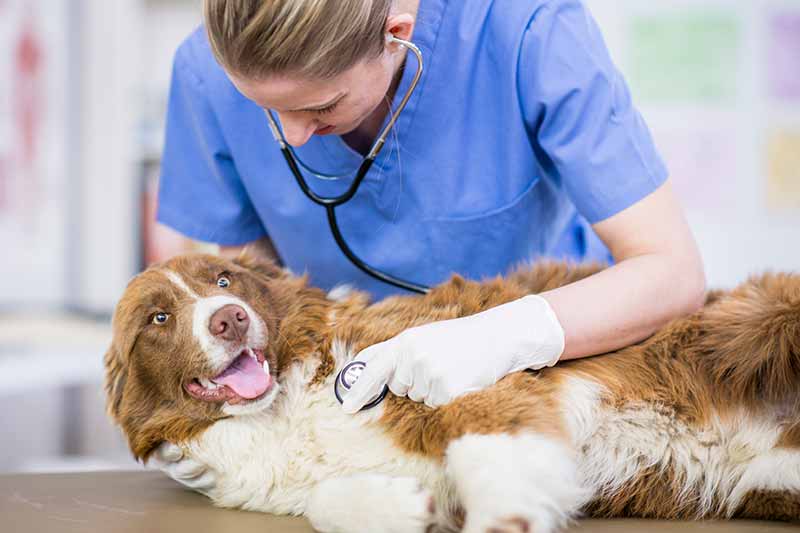
Caring for our pets goes beyond love and companionship — it’s about ensuring their lifelong health and happiness. Regular check-ups, preventive care, and emergency preparedness all play vital roles in responsible pet ownership. For those seeking trusted and compassionate care, Petfolk Veterinary & Urgent Care – Ballantyne provides comprehensive veterinary services designed to meet every pet’s unique needs. In this guide, we’ll explore the essentials of maintaining pet wellness, from early health monitoring to recognising when urgent care is needed, helping every pet owner feel confident in supporting their furry friend’s best life.
Every pet is unique, with specific healthcare needs tied to their species, breed, age, and overall health condition. Understanding these needs is our first step in ensuring that our pets receive the appropriate care. For instance, young kittens and puppies require different vaccinations and deworming schedules than older pets.
Also, it's essential to understand that different breeds may be predisposed to particular health issues. For example, large breeds like Great Danes are more susceptible to certain heart conditions, while smaller breeds may face dental issues. Being aware of these factors empowers us to engage proactively with veterinary services.
Veterinary services are incredibly varied, catering to a wide spectrum of pet healthcare needs. The main types of veterinary services we should be familiar with include:
Understanding the spectrum of available veterinary services enables us to seek the right help when needed.
Preventive care stands at the forefront of ensuring a long, healthy life for our pets. This includes regular veterinary visits, vaccinations, parasite control, and dental care. By focusing on preventive measures, we can significantly reduce the risk of serious health issues later on.
For example, annual vaccinations protect against rabies, parvovirus, and other diseases. Also, regular dental check-ups can help combat periodontal disease, which is common in pets. We can also maintain our pets' health through a balanced diet and regular exercise, which should not be overlooked as integral parts of preventive care.
Recognising the signs that our pets need veterinary attention is crucial. Common indicators include:
Paying attention to these signs and acting promptly can make all the difference in our pets' health outcomes.
Choosing the right veterinary practice is a vital part of our pets' healthcare journey. We should consider several factors:
It's important that we feel comfortable communicating our pets' needs and concerns with our chosen veterinary team.
When visiting our veterinarian, asking the right questions can enhance our understanding and involvement in our pets' care. Here are some questions we might consider:
These questions help ensure that we are well-informed and prepared to provide optimal care for our pets.
Veterinary care doesn't have to be daunting for us as pet owners. By understanding our pets' healthcare needs, knowing the types of veterinary services available, and embracing preventive care, we can significantly enhance their quality of life. We must stay vigilant for signs indicating our pets need attention and choose veterinary practices that align with our expectations. Eventually, open communication with our veterinarians ensures that we are partners in our pets' health and wellness adventure.


