By the end of this article, you'll have the knowledge to create seamless, professional outdoor events regardless of what the skies decide to do.
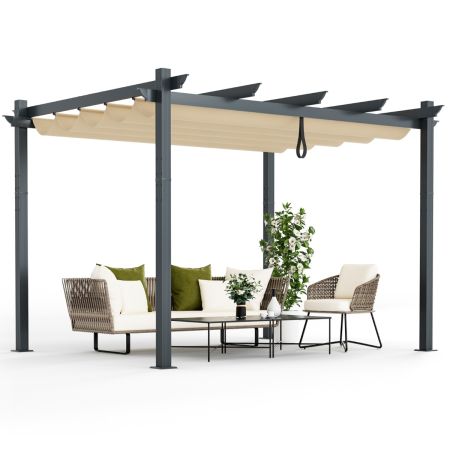
Every outdoor event planner knows the feeling—checking weather forecasts obsessively, watching clouds gather on the horizon, and wondering if months of preparation might be undone by a sudden downpour or scorching midday sun. Unpredictable weather remains the single greatest threat to any outdoor gathering, whether it's a weekend market, a garden wedding, or a corporate team-building day. This is precisely where the pop-up gazebo earns its reputation as the unsung hero of outdoor events. Offering rapid deployment that saves precious setup time, lightweight portability that simplifies logistics, and instant protection from both rain and harsh UV rays, a quality pop-up gazebo transforms uncertainty into confidence. This guide is designed to be your comprehensive, actionable resource—covering everything from selecting the right gazebo for your specific needs to mastering a rock-solid setup that withstands wind and weather.
At the heart of every successful outdoor event lies one fundamental principle: guest comfort. When attendees feel protected from blazing sun or unexpected rain, they stay longer, engage more, and leave with positive impressions. A pop-up gazebo delivers this comfort with remarkable efficiency, and understanding its value sets the stage for every other decision you'll make.
The most immediate advantage is speed. While traditional marquees and permanent structures demand hours of assembly—often requiring specialized crews—a pop-up gazebo can be fully erected by two or three people in under ten minutes. For event planners juggling dozens of tasks on setup day, those saved hours are invaluable. The lightweight, collapsible frame folds down into a compact carry bag, meaning a single vehicle can transport multiple units without specialized equipment. This portability makes pop-up gazebos equally practical for a farmer's market vendor setting up at dawn, a wedding planner dressing a countryside reception, or a corporate team creating branded activations at a festival. Unlike permanent structures that require permits and construction timelines, a pop-up gazebo offers premium shelter at a fraction of the cost—and you can redeploy it at your next event without additional investment. Think of it as your foundational infrastructure: get the gazebo right, and everything else—décor, layout, guest experience—falls naturally into place.
Selecting the right pop-up gazebo isn't simply about picking the first option you find—it's about matching specific features to your event's unique demands. The wrong choice leads to frustration on setup day, inadequate coverage, or a structure that won't last beyond a single season. Start with size. A standard 10x10-foot gazebo comfortably shelters around ten standing guests or a small vendor display, making it ideal for market stalls and intimate gatherings. Step up to a 13x13-foot model when you need space for seated dining, a DJ booth, or a catering station—these larger footprints accommodate 15 to 20 guests without feeling cramped. For weddings or corporate functions expecting bigger crowds, consider linking multiple units together for seamless coverage.

Frame material determines how your gazebo performs under stress. Steel frames offer excellent rigidity and weight at a lower price point, but they're heavier to transport and susceptible to rust without proper coating. Aluminum frames strike the ideal balance for most event planners—lighter for frequent transport, corrosion-resistant, and surprisingly strong when engineered with hexagonal or reinforced leg profiles. For canopy fabric, polyester with a PU coating handles moderate rain and provides solid UV protection for casual use, while PVC-coated canopies deliver superior waterproofing and durability for planners who need all-weather reliability week after week.
Consider whether you need detachable sidewalls. Open sides maximize airflow and visibility for markets and festivals, while zip-on walls create enclosed spaces for private functions or inclement weather. Retailers like Costway-AU offer a range of pop-up gazebos that combine robust construction with thoughtful design details—reinforced corners, intuitive locking mechanisms, and compatibility with a full accessory ecosystem. Finally, weigh your budget against longevity. A cheaper gazebo might serve a single event, but investing in a well-engineered unit pays dividends across dozens of deployments, reducing your per-event cost dramatically while maintaining a professional appearance every time.
A pop-up gazebo's ingenious accordion-style frame is designed to expand from a compact bundle into a full-sized structure in minutes—but rushing the process or skipping fundamentals leads to bent joints, torn canopies, and unstable shelters. Before you even unfold the frame, invest five minutes in a pre-setup checklist that prevents headaches later. Walk your chosen site and confirm the ground is level; even a slight slope causes the frame to sit unevenly, creating stress points that weaken under wind load. Inspect every component—check that locking mechanisms slide freely, that no frame joints are bent from previous use, and that your canopy fabric is free of tears near the attachment points.
With your site confirmed and parts verified, begin by placing the collapsed frame at the center of your intended footprint. With one person on each side, gently pull the legs outward in stages—extend the frame to roughly half its span first, then attach or drape the canopy over the top while it's still at a reachable height. Once the canopy is positioned, expand the frame fully until each locking mechanism clicks into place. Now extend the telescoping legs to your desired height, ensuring all four lock at the same setting. Before staking or weighting anything, step back and visually confirm the frame is square and the canopy sits taut without pooling areas where rain could collect.
Common beginner mistakes include forcing a joint that isn't aligned—if a mechanism resists, collapse slightly and reposition rather than applying brute strength. Another frequent error is setting up solo; even lightweight models benefit from at least two people to prevent the canopy from catching wind mid-assembly. Remember, a properly erected frame is the prerequisite for effective anchoring—no amount of weights or stakes can compensate for a gazebo that was crooked from the start.
Understanding why pop-up gazebos are vulnerable to wind is the first step toward defeating it. Your gazebo is essentially a large, lightweight sail anchored at four narrow points. Wind doesn't just push against the sidewalls—it flows under the canopy, creating uplift that can launch an unsecured structure into the air with surprising force. Even moderate gusts of 20 to 25 mph generate enough aerodynamic lift to overturn a gazebo that relies solely on its own weight. This means your anchoring strategy must counteract both lateral push and vertical lift simultaneously.
The most reliable first line of defense is proper weighting at each leg. Purpose-built leg weights—typically sand-filled bags or steel weight plates that clamp around the base—add concentrated mass exactly where it's needed. Aim for a minimum of 20 to 25 pounds per leg in calm conditions, and double that if forecasts suggest sustained winds above 15 mph. Position sandbags so they wrap snugly around the foot rather than simply sitting nearby, ensuring the downward force transfers directly through the frame. For hard surfaces like concrete or asphalt where stakes aren't an option, weight plates combined with ratchet straps looped over the frame and anchored to nearby fixed objects—fence posts, vehicle tow points, or heavy planters—provide exceptional lateral stability.
On grass or soft ground, spiral ground stakes driven at a 45-degree angle away from the gazebo offer deep-rooted resistance that surface weights alone cannot match. Drive stakes through every available anchor point—leg bases, guy rope loops, and mid-frame eyelets—to distribute wind load across multiple connections rather than concentrating stress on a single joint. For maximum security, combine both methods into a multi-point system: weights at the base prevent initial movement, stakes resist sustained pull, and ratchet straps handle sudden gusts that exceed either system's individual capacity.
Beyond hardware, smart monitoring completes your wind strategy. Check hourly forecasts throughout your event, and establish a clear threshold—typically sustained winds above 30 mph or gusts exceeding 40 mph—at which you'll remove the canopy entirely while leaving the weighted frame in place. A canopy removed proactively takes five minutes; a gazebo torn apart by wind creates safety hazards and costly damage. Train your team on rapid canopy removal so the decision to act never feels overwhelming. With layered anchoring and a clear action plan, your gazebo becomes a structure guests can trust even when the wind picks up.
Once your gazebo is securely anchored and standing strong, the right accessories transform a functional shelter into a polished event space that impresses guests and simplifies your workflow. Side panels deserve first consideration—zip-on walls convert an open canopy into a fully enclosed room within seconds, offering privacy for changing areas, protection from driving rain, and wind reduction that keeps tablecloths and displays undisturbed. Choose panels with clear window sections to maintain natural light, or opt for solid fabric when you need complete weather blocking or branded printing surfaces.
Lighting elevates your gazebo from daytime shelter to evening venue. LED string lights draped along the interior frame create warm ambiance for weddings and social gatherings, while clip-on LED spotlights provide focused illumination for vendor displays or food preparation areas. Battery-powered options eliminate trip hazards from extension cords, and many modern LED systems offer dimming controls that let you adjust the mood as daylight fades. For events extending past sunset, hanging lanterns at each corner post add both safety and visual charm without requiring electrical hookups.
Underfoot comfort matters more than most planners realize. Interlocking foam tiles or snap-together composite decking create a stable, level floor that prevents heels from sinking into grass and keeps guests comfortable during long receptions. Roll-out artificial turf offers a softer alternative that blends naturally with garden settings while still protecting against mud. Beyond the event space itself, invest in practical logistics accessories—wheeled transport bags reduce physical strain during load-in, while compact repair kits containing spare bolts, frame connectors, and canopy patch tape ensure minor damage never derails your schedule. When shopping for gazebos and complementary outdoor furniture, look for brands that design their accessory ecosystems for seamless compatibility, meaning sidewalls, lighting hooks, and weight systems integrate without improvisation, saving you time and maintaining a clean, professional appearance across every deployment.
A successful outdoor event doesn't happen by chance—it's built on a foundation of smart planning and the right equipment. Throughout this guide, we've explored how a pop-up gazebo serves as the cornerstone of that foundation, delivering rapid deployment, portable convenience, and reliable protection that keeps guests comfortable regardless of conditions. Choosing the right unit means matching size, frame material, and canopy fabric to your specific event demands rather than settling for a one-size-fits-all solution. Proper setup—taking the time to level the frame, engage every locking mechanism, and verify canopy tension—creates the stable platform that all subsequent security measures depend upon. And when wind threatens, a layered anchoring approach combining leg weights, ground stakes, ratchet straps, and proactive monitoring transforms a vulnerable canopy into a structure your guests can trust completely. Paired with thoughtful accessories like sidewalls, lighting, and flooring, your gazebo becomes more than shelter—it becomes a professional event space. Armed with these techniques, approach your next outdoor gathering not with anxiety about what the weather might bring, but with the quiet confidence of a planner who knows exactly how to handle it.