An insightful look at why minimalist and fine-line tattoos are gaining popularity for their subtle design, precision, and meaningful self-expression.
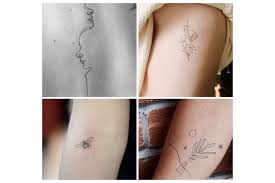
In the dynamic world of body art, minimalist and fine-line tattoos have captured widespread attention for their understated elegance and precise craftsmanship. Unlike traditional tattoos that often emphasize bold colors and intricate designs, these tattoos focus on simplicity, subtlety, and clean lines. They appeal to a growing audience that values personal expression without overwhelming visual statements. Their rise in popularity reflects not only changing aesthetic preferences but also the evolving ways individuals communicate their identity, memories, and values. We will explore why minimalist and fine-line tattoos have become a defining trend, what makes them distinct, and how they offer both versatility and meaning to their wearers. From delicate geometric shapes to subtle text designs, these tattoos balance artistry with restraint, making them ideal for those seeking both style and sophistication in body art.
Minimalist and fine-line tattoos excel at conveying meaningful concepts with simplicity. Unlike larger or more elaborate tattoos, they focus on small, carefully planned designs that deliver emotional or aesthetic impact without dominating the surrounding space. People are increasingly drawn to these tattoos because they allow subtle personal expression while remaining adaptable to different lifestyles, professional settings, and social norms. Visiting a reputable tattoo place ensures that these delicate designs are executed with precision and care. A tiny line drawing, delicate symbol, or fine-script phrase can communicate individuality, commemorate significant life events, or represent deeply held beliefs. Their understated nature also enables the wearer to pair multiple small tattoos cohesively, creating a narrative or theme across different parts of the body. This controlled approach to body art resonates with individuals who want to balance personal meaning with aesthetic refinement.
Fine-line tattoos demand a high level of precision in their execution. Each line is deliberate, and the minimal use of shading or color places the focus entirely on form, shape, and symmetry. The clarity of these tattoos enhances their visual appeal and allows for designs that are both intricate and restrained. This precision is particularly appealing to those who appreciate clean aesthetics and geometric patterns. From delicate florals to abstract shapes, fine-line techniques ensure that every detail is sharp and intentional, creating a visual impact that is both refined and lasting. In addition, these tattoos often age more gracefully than heavily shaded or densely inked designs, maintaining their crisp appearance over time when properly cared for.
One reason minimalist and fine-line tattoos have gained popularity is their adaptability in placement and size. Unlike larger tattoos that require significant surface area, these tattoos can be comfortably placed on wrists, fingers, ankles, behind the ear, or along the collarbone. The smaller scale also allows individuals to experiment with multiple designs without overwhelming a particular area. Placement flexibility enables wearers to express themselves in highly personal ways, choosing locations that may be easily hidden or subtly showcased depending on their lifestyle. Furthermore, the versatility of fine-line designs allows them to complement other tattoos, stand alone, or form part of a larger collection, giving each individual the freedom to curate their body art over time.
Minimalist and fine-line tattoos align with broader cultural trends toward simplicity and intentional living. In fashion, design, and lifestyle choices, there is a growing appreciation for subtlety, clean lines, and deliberate minimalism. This aesthetic sensibility extends to body art, where individuals increasingly prefer designs that feel personal and thoughtful rather than purely decorative. These tattoos appeal to a demographic that values artistry and meaning over flashiness, offering a refined alternative to conventional bold or colorful tattoos. Their understated elegance harmonizes with modern wardrobes, professional environments, and social settings, making them a popular choice for those seeking to integrate body art seamlessly into everyday life.
Minimalist tattoos often hold profound personal significance for those who choose them. Because the designs are simple, the focus shifts from visual spectacle to the image's emotional or symbolic meaning. A small, fine-line tattoo can commemorate a milestone, represent a core value, or honor a loved one in a deeply personal way. Many individuals are drawn to these tattoos as a form of storytelling, using subtle imagery or text to encapsulate memories, aspirations, or identity. The delicate nature of the designs invites reflection and conversation, making them both intimate and expressive. By emphasizing meaning over size or complexity, minimalist tattoos foster a connection between the wearer and the art that feels intentional and enduring.
Cultural trends and social media platforms have amplified the popularity of minimalist and fine-line tattoos. Platforms like Instagram and Pinterest have made it easier for artists and enthusiasts to share their work, showcasing the elegance and creativity of small-scale designs. Influencers and public figures who adopt these tattoos further normalize the aesthetic, making it accessible and desirable to a broad audience. The visual clarity and simplicity of fine-line tattoos make them particularly photogenic and shareable online, contributing to their status as a modern trend. Social media exposure allows individuals to discover new styles, ideas, and artists, encouraging experimentation and adoption while reinforcing the appeal of subtle, meaningful designs over more traditional or heavily stylized tattoos.
Another factor driving the rise of minimalist tattoos is their relatively low commitment compared to larger, more intricate designs. Small, fine-line tattoos are easier to modify, expand, or even cover up if desired. This adaptability attracts individuals who are new to tattoos or uncertain about larger designs, as it allows them to experiment with body art without making a drastic visual change. Additionally, the small scale and minimal shading typically result in shorter tattoo sessions, making the experience less intimidating and more accessible. Over time, wearers can add complementary designs, creating a cohesive collection of meaningful tattoos that evolve alongside their personal story, providing a flexible and enduring approach to body art.
Minimalist and fine-line tattoos have emerged as a defining trend in modern body art, appealing to individuals who value subtlety, precision, and personal meaning. Their understated elegance allows for meaningful self-expression without overwhelming visual statements, while their adaptability in size and placement accommodates a variety of lifestyles and preferences. These tattoos resonate with broader aesthetic trends, offering clean lines and refined designs that harmonize with contemporary fashion and cultural sensibilities. Whether commemorating a personal milestone, symbolizing a core value, or serving as a delicate artistic statement, minimalist and fine-line tattoos provide a balance of artistry and discretion. Their continued popularity reflects a cultural shift toward thoughtful, intentional body art that emphasizes both clarity and emotional resonance.