Learn about diagnostic services commonly used by vets in Singapore, including blood tests, urine tests, imaging, microscopy, and other assessments.
When a pet appears unwell, a physical examination may not give the full picture on its own. A dog with vomiting, a cat with weight loss, a rabbit with reduced appetite, or a bird with breathing changes may need further assessment before a veterinarian can understand what may be happening.
Veterinary diagnostics refer to tests or procedures that help assess a pet’s health. They may be recommended when a pet has symptoms, when a condition needs monitoring, or before certain procedures.
Diagnostics do not replace a consultation. Instead, they work together with the pet’s history, physical examination, and the owner’s observations. A veterinarian may consider the pet’s age, species, breed, symptoms, medical records, medication use, diet, and behaviour before deciding whether a test is appropriate.
A diagnostic pathway usually begins with a question: what information is needed to understand the pet’s condition?
For example, a pet with vomiting may need assessment of hydration, abdominal comfort, diet history, toxin exposure, and possible infection. A limping pet may need gait assessment, joint examination, and imaging if injury is suspected. A pet with increased thirst may need blood and urine tests to assess possible metabolic or organ-related concerns.
The pathway may include:
The selected tests will depend entirely on your pet's condition and the clinical assessment of your Singapore vet.
Blood tests are commonly used in veterinary care. They may help assess red blood cells, white blood cells, platelets, hydration status, organ markers, electrolytes, blood sugar, and other health indicators.
A veterinarian may recommend blood tests when a pet is weak, vomiting, losing weight, drinking a lot, not eating, preparing for anaesthesia, or being monitored for an existing condition. Blood tests may also be used to review how a pet responds to treatment.
Some blood tests can be processed in the clinic, while others may be sent to a laboratory. The timeline depends on the test and clinic arrangement.
Urine testing can provide information about the urinary tract and general health. A urine sample may be assessed for concentration, blood, protein, glucose, crystals, infection markers, or other findings.
A veterinarian may suggest urine testing if a pet is passing urine frequently, straining, drinking more water, having accidents indoors, showing blood in urine, or being assessed for kidney, bladder, or metabolic concerns.
Owners should ask the clinic whether a fresh sample is needed and how it should be collected. In some cases, the clinic may collect the sample during the consultation.
Stool tests may be used when a pet has diarrhoea, weight loss, vomiting, poor coat condition, or suspected parasites. The sample may be checked for parasites, abnormal organisms, blood, or other findings depending on the pet’s symptoms.
Pet owners may be asked to bring a fresh stool sample in a clean container. The veterinarian can advise whether repeated testing is needed, as some parasites may not appear in every sample.
Skin and ear problems are common reasons for vet visits. Pets may scratch, lick, chew, shake their head, develop hair loss, show redness, or have ear discharge.
A veterinarian may use tests such as skin scraping, tape impression, ear swab, microscopy, fungal testing, or cytology. These tests may help assess possible parasites, yeast, bacteria, inflammation, or other skin-related concerns.
The clinical plan may also depend on diet, allergy history, parasite control, home environment, and whether the issue is recurring.
X-rays, also called radiographs, allow veterinarians to view bones, the chest, the abdomen, and some foreign objects. They may be recommended for pets with suspected fractures, limping, breathing concerns, swallowed objects, abdominal discomfort, or trauma.
Some pets can be positioned for X-rays while awake. Others may need sedation if they are in pain, anxious, or unable to stay still. The veterinarian will decide based on the pet’s condition and the images needed.
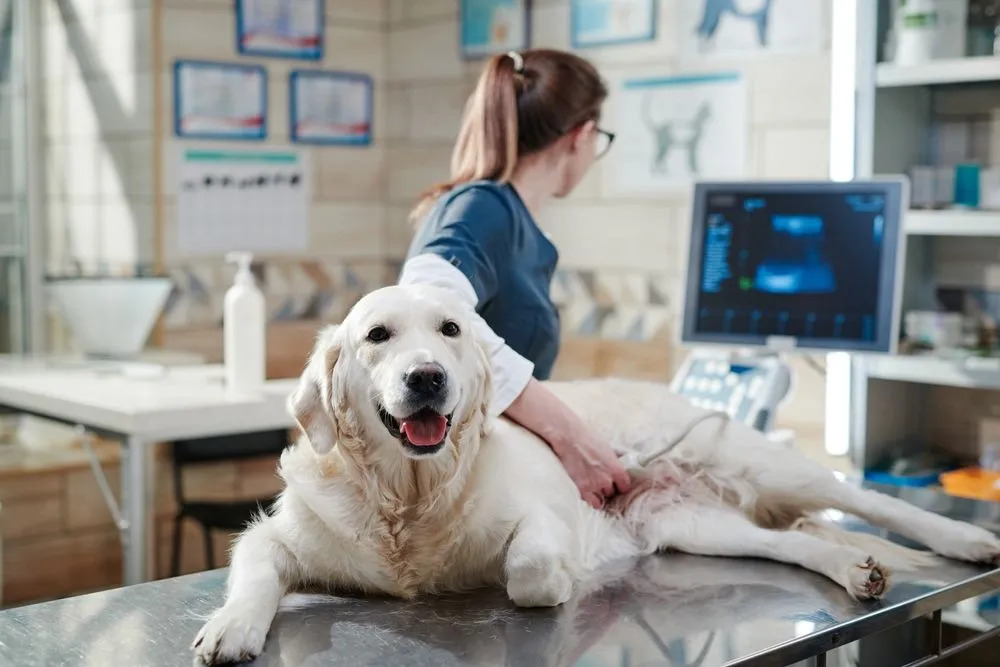
Ultrasound uses sound waves to create images of internal structures. It is often used to assess soft tissues and organs such as the liver, spleen, kidneys, bladder, intestines, uterus, and heart.
A vet may recommend ultrasound for abdominal pain, fluid build-up, urinary concerns, pregnancy assessment, organ changes, or follow-up after abnormal blood test results. The pet may need part of its fur clipped so that the ultrasound probe can contact the skin.
Cytology involves examining cells under a microscope. A vet may collect cells from a lump, skin lesion, ear discharge, fluid pocket, or wound. This may help guide whether further testing or treatment is needed.
A biopsy involves taking a small tissue sample for laboratory examination. It may be recommended when a lump, skin change, or tissue abnormality needs further assessment. The method used depends on the location, size, and condition of the tissue being sampled.
Infectious disease tests may be used when a pet has symptoms that could be linked to bacteria, viruses, parasites, or other organisms. Testing may involve blood, stool, urine, swabs, or other samples.
A veterinarian may recommend infectious disease testing based on the pet’s symptoms, vaccination history, travel, exposure to other animals, and species-related risks. Results can help guide treatment, isolation advice, or follow-up steps.
Eye concerns may need tests such as tear measurement, eye pressure checks, staining for corneal injury, or close examination of the eye surface. These may be used when a pet has redness, discharge, squinting, cloudiness, or eye pain.
Dental assessment may include oral examination and dental X-rays where suitable. Dental issues may not be visible from the surface alone, especially when disease affects tooth roots or surrounding structures.
Some cases may need referral to a veterinarian with a particular clinical focus or access to certain diagnostic equipment. This may occur when the pet has a complex condition, needs specialised imaging, requires further internal medicine assessment, or has findings that need another level of review.
Referral does not mean the first vet cannot help. It may be part of the clinical pathway when additional assessment is considered appropriate for the pet’s condition.
Before a diagnostic appointment, pet owners can prepare by bringing:
Some tests may require fasting, while others do not. Owners should follow the clinic’s instructions and ask before withholding food or water.
When choosing a vet Singapore service, pet owners may consider the clinic’s consultation process, diagnostic support, communication style, and ability to explain test results in practical terms.
Pet owners are advised to get in touch with the clinic directly to evaluate service availability and ensure the facility is equipped to address their pet's specific medical needs.
Diagnostic services play an important role in veterinary care by helping vets assess symptoms, review internal health markers, and plan appropriate next steps. Blood tests, urine tests, stool tests, skin and ear microscopy, imaging, cytology, biopsy, and infectious disease testing may each provide different types of information.
For pet owners in Singapore, understanding the diagnostic process is key to preparing for veterinary consultations. When facing unexplained symptoms or ongoing illnesses, a veterinarian can evaluate your pet's condition to determine the right diagnostic approach.