Here is a list of top 10 Cleanest Countries in the World!
You may have heard the phrase, “Cleanliness is next to Godliness.”. What this phrase emphasizes is the importance of cleanliness, not just in our personal lives, but on a wider societal level, and at its highest form, we see it in the form of how clean a country is. So, have you ever wondered what is the cleanest country in the world?
There are a number of countries that come to mind when you think of the cleanest countries in the world, and most of them exist in Europe, with a few exceptions, like Japan and Singapore, which exist in East Asia. Moreover, a clean country doesn’t just mean the collective hygiene of its residents but also less pollution and, overall, a more livable, natural environment.
Now that you know what it means, here is a list of the top ten cleanest countries in the world.
When asked what is the cleanest country in the world, the most common answer is Switzerland, and when you look at how people live in Switzerland and how the country functions as a whole, it is understandable why. Cleanliness is both a point of civic pride for the people and is also made mandatory by the government through the enforcement of strict environmental laws.
This is reflected in how waste is efficiently sorted and most of it is recycled, energy production is done mainly through hydropower, etc., to reduce environmental pollution and carbon emissions. Moreover, from public transport in urban areas to lakes in rural areas, everything is clean and immaculate.
Up in the North, life is not easy due to severe cold and harsh environment, despite that, Finland can proudly answer affirmatively when asked what is the cleanest country in the world. This is, of course, greatly helped by a large area and relatively small population, where 75% of the country is covered by forest and largely inhabited.
One of the reasons Finland is so clean is that the locals have learned to embrace the naturally harsh environment instead of terraforming it, and this results in natural air filtration and exceptional water quality. Couple that with people doing their part by keeping their surroundings clean, cycling around instead of using cars, and keeping levels of pollution low.
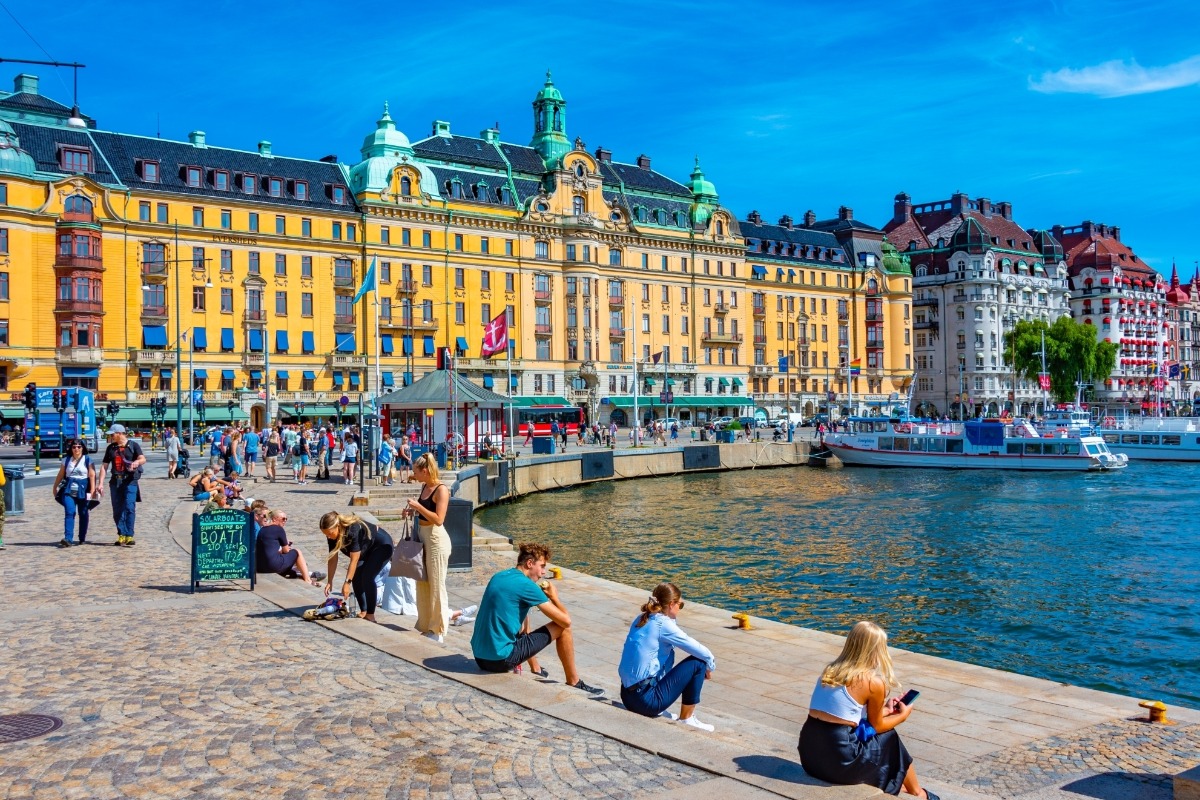
Being so closely situated, it is only natural that Sweden would be in this list, just like Finland, as they both have very similar geography, albeit Sweden has a lot more Islands. But their respect for the environment and the level of cleanliness is equal to the Finns, and we can see it in how more than 50% of the energy in the country is produced through renewable means like hydro and wind power.
You can also observe the levels of cleanliness in daily lives, where people have a very high recycling rate, and through collective efforts, the country has almost eliminated all its landfill use by converting waste into energy.
Besides Switzerland, another very common response to the question, What is the cleanest country in the world, is Japan. So much so that some people might even argue that Japan should be the first in this list, and rightly so, but this list is in no particular order. That being said, cleanliness is deeply rooted in the Japanese culture, and being a collective society, it is strictly enforced.
This is even more impressive when you notice that Japan has a very large population, living in a relatively compact area. This leads to people caring even more about their surroundings and keeping their personal space clean, and we see how trash is never to be seen, even in the biggest cities like Tokyo and Kyoto.
We can never ask what is the cleanest country in the world and not mention all the Scandinavian countries in the discussion. So, naturally, we move from Sweden to Norway, and Denmark is not far behind, and again, one of the reasons that can be attributed to high levels of cleanliness in all three countries is the culture, where cleanliness is extremely important, both personally and collectively.
Even here, Norway takes the cake, as it produces more than 90% of its electricity through renewable means, in this case, hydropower, and even here, while not a large population, their electric consumption is high, as they prefer using electric vehicles and electricity for cooking instead of other fuels.
As mentioned before, Denmark is also always included in the discussion of what is the cleanest country in the world, and again, it is mainly due to the country's geography and its collective culture, where cleanliness is highly valued and keeping their surroundings clean is a matter of civic pride for the people.
This is evident by how Copenhagen is known for being a bike-friendly city, and it is not just in the capital that you see people biking everywhere. This is also reflected in the architecture, which is designed to keep sustainability and low energy use in mind, and the government actively promotes anti-pollution and recycling initiatives.
Germany has a reputation for being very efficient when it comes to their environmental policies, where a high level of importance is given, not just to cleanliness in general, but also to how the waste is recycled, from using color-coded bins on an individual level, to generating electricity through trash powered plants and not using landfills as much as possible.
In fact, Germany is the global leader in renewable energy, where almost all of its electricity is produced through wind and solar farms, and despite having a lot of industry, Germany is known for producing very few carbon emissions and offsetting the rest by green spaces and other such initiatives.
Being situated right now next to Germany and sharing almost the same culture, it is no surprise that Austria is also one of the cleanest countries in the world, and having a small land size and population also helps with this. But ultimately, it is the effort by the people and the initiatives taken by the government that help Austria be in the running when asked what is the cleanest country in the world.
We can see this in how the residents of Austria live a very eco-friendly life, where more than 60% of the waste produced in the country is recycled, thanks to their world-class waste management system. We also see how every city in Austria is spotless, and there are green parks everywhere.
Despite what the name suggests, Iceland has some of the most beautiful geography, that is, if you don’t mind the cold, and not to be confused with Greenland, Iceland is not all covered in snow and is relatively very small. But what makes it so unique is that its beauty is matched by its commitment towards environmental cleanliness, and you can see it everywhere in the country.
Iceland produces all of its electricity through renewable sources, like hydropower and, uniquely enough, through geothermal plants. Add to it the very small population and an honest commitment to keep their vast open landscape clean, and you can understand why the country has little to no pollution.
Lastly, we have Singapore, which is making all of Asia proud by having some of the highest global benchmarks for urban cleanliness and efficiency, and truly making it a strong contender when asked what is the cleanest country in the world. This is especially true when you realize that Singapore is really small and classified as a city-state, but with a large population, cleanliness matters a lot.
This is why cleanliness is not just a matter of pride for Singaporeans, but is also strictly enforced, so much so that even simple acts like eating chewing gum are prohibited, and getting a driving license is very difficult, to reduce traffic pollution.