Let's explore What Homeowners Should Know Before Planning a Professional Furnace Installation Project.
A home's heating system plays a crucial role in maintaining comfort, safety, and energy efficiency during colder months. Whether replacing aging equipment or preparing for changing household needs, homeowners often face important decisions when planning a heating upgrade. Choosing the right system and understanding the installation process can significantly influence long-term performance and satisfaction.
Many homeowners focus primarily on equipment selection while overlooking other factors that contribute to successful results. Proper sizing, energy efficiency, home layout, and future heating needs all play important roles in determining how effectively a new system will perform. Careful planning helps ensure that the investment delivers lasting value.
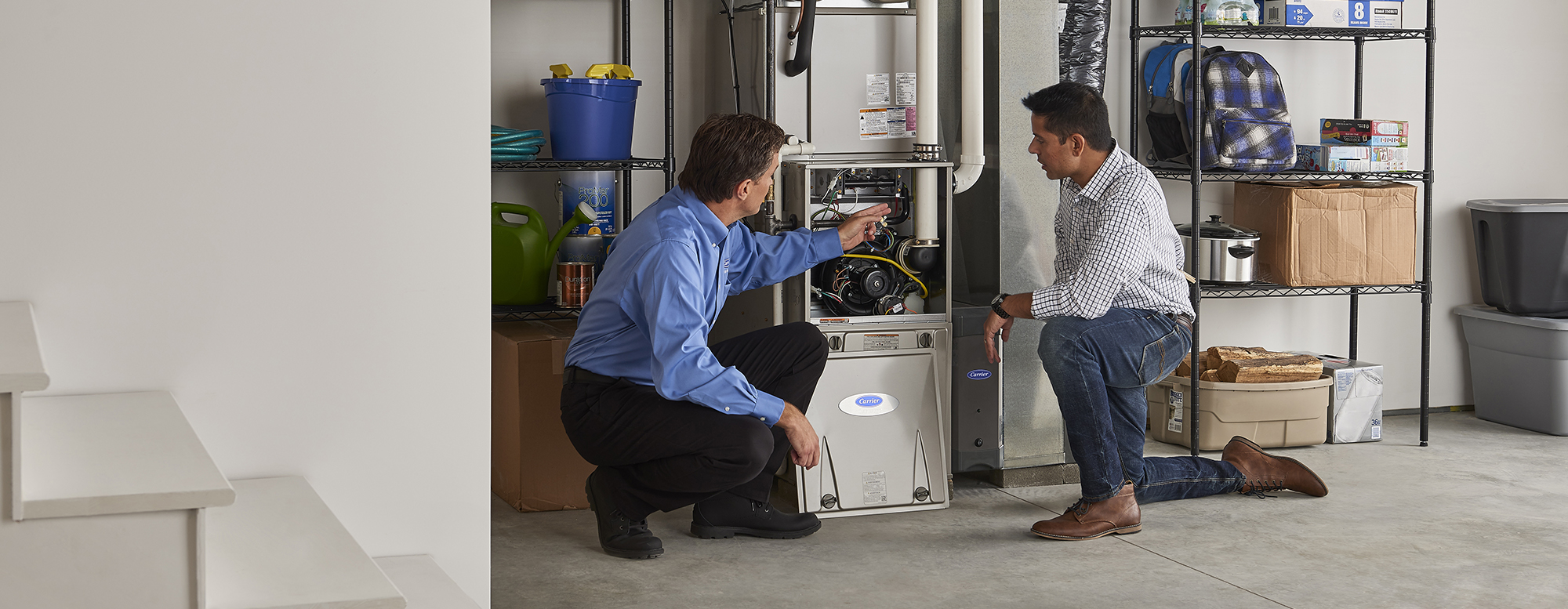
Furnace installation is more than simply replacing one unit with another. It involves evaluating the home's heating requirements, selecting appropriate equipment, and ensuring that every component works together efficiently. Understanding the process helps homeowners make informed decisions and achieve better outcomes.
Heating systems are long-term investments that affect daily comfort for many years. Because of this, planning should begin well before installation day. Taking time to evaluate household needs and system requirements helps avoid costly mistakes and supports better overall performance.
Every home has unique heating demands. Factors such as square footage, insulation levels, window placement, and occupancy all influence how much heating capacity is required. A system that performs well in one home may not be appropriate for another.
Proper planning allows homeowners to consider these variables and select equipment that aligns with both current and future needs. This thoughtful approach contributes to greater comfort and efficiency.
Before replacing a heating system, it is important to assess the condition of the current equipment. In some situations, repairs may provide a short-term solution. In others, replacement becomes the more practical and cost-effective option.
Older systems often experience declining efficiency, increasing repair frequency, and reduced reliability. Homeowners may notice rising utility bills, uneven heating, or difficulty maintaining comfortable indoor temperatures. These indicators often suggest that replacement should be considered.
Summit Heat & Air helps homeowners evaluate system condition and determine whether replacement is the most beneficial long-term strategy. Professional assessments provide valuable insight during the planning process.
One of the most critical aspects of heating system selection is sizing. Many homeowners assume that larger equipment automatically provides better performance. In reality, oversized and undersized systems can both create problems.
An oversized furnace may cycle on and off too frequently, reducing efficiency and increasing wear on components. An undersized system may struggle to maintain comfortable temperatures during cold weather. Both situations can affect comfort and operating costs.
Furnace installation should always begin with a detailed evaluation of the home's heating requirements. Proper sizing supports balanced performance, energy efficiency, and long-term reliability.
Energy efficiency has become an increasingly important consideration for homeowners. Modern heating equipment often offers significant improvements compared to older systems. Higher efficiency ratings can reduce energy consumption while maintaining consistent comfort.
Although efficiency should not be the only factor influencing equipment selection, it plays a meaningful role in long-term operating costs. Systems designed to use energy more effectively often provide noticeable savings over time.
Understanding available efficiency options helps homeowners make decisions that align with their comfort goals and budget expectations. A balanced approach ensures that both performance and value are considered.
Many homeowners wonder what preparations are necessary before a new heating system is installed. Fortunately, most projects require only limited preparation. Clearing access to the existing equipment and ensuring adequate workspace are often the primary requirements.
Professional installers typically evaluate the installation area before work begins. This allows them to identify any potential challenges and confirm that all necessary materials and equipment are available. Advance preparation helps streamline the installation process.
Summit Heat & Air works with homeowners to ensure that installation projects proceed efficiently while minimizing disruption to daily routines.
A furnace operates as part of a larger heating system that includes ductwork and airflow components. Even the most advanced equipment may struggle to perform effectively if airflow distribution is compromised. This makes ductwork evaluation an important part of the planning process.
Leaks, restrictions, or poorly designed duct systems can reduce efficiency and affect indoor comfort. Addressing these issues during installation helps maximize the performance of the new equipment. Proper airflow supports balanced heating throughout the home.
Evaluating supporting components ensures that the entire heating system functions as intended after installation is complete.
Professional expertise plays a significant role in achieving successful results. Proper installation affects everything from efficiency and reliability to safety and equipment lifespan. Even high-quality systems may underperform if installation standards are not met.
Experienced technicians follow manufacturer specifications, verify system operation, and ensure that all components function correctly. Their attention to detail helps prevent future performance issues while supporting long-term system health.
Furnace installation performed by qualified professionals provides homeowners with greater confidence that the equipment will operate safely and efficiently for years to come.
Household needs often change over time. Families grow, living arrangements evolve, and energy priorities shift. Planning for these future changes helps homeowners select systems that remain effective as circumstances develop.
Considering future requirements during the selection process can reduce the likelihood of needing major upgrades later. Flexibility and adaptability contribute to long-term satisfaction with the heating system.
A forward-thinking approach helps ensure that the investment continues meeting household needs well beyond the initial installation period.
Installing new equipment is only the beginning of maintaining reliable heating performance. Ongoing maintenance helps preserve efficiency, reduce wear, and identify potential concerns before they become serious problems.
Regular inspections and routine service support long-term system health. Homeowners who understand maintenance expectations are better prepared to protect their investment and maximize equipment lifespan.
Summit Heat & Air encourages homeowners to view maintenance as an essential part of long-term heating system ownership. Consistent care helps ensure dependable operation year after year.
The ultimate goal of any heating upgrade is improved comfort. A properly selected and installed furnace should provide consistent warmth, efficient operation, and dependable performance throughout the heating season. Achieving these results requires attention to every stage of the planning process.
From evaluating household needs to selecting equipment and preparing for installation, each decision contributes to the overall outcome. Careful planning helps eliminate many common challenges while supporting long-term satisfaction.
Furnace installation becomes far more effective when approached as a comprehensive project rather than a simple equipment replacement.
Planning a heating system upgrade involves much more than choosing a new furnace. Homeowners must consider system sizing, efficiency, ductwork, installation quality, and long-term maintenance requirements to achieve the best results. Thoughtful preparation helps ensure that the investment delivers lasting value.
Furnace installation provides an opportunity to improve comfort, increase efficiency, and enhance overall heating performance. By understanding the process and working with experienced professionals, homeowners can make confident decisions that support long-term success.
With guidance from Summit Heat & Air, homeowners can navigate every stage of the installation process with confidence. Through professional planning, expert installation, and ongoing support, Summit Heat & Air helps create reliable heating solutions designed to deliver comfort and efficiency for many years to come.