Read here uour comprehensive Toddler Bed Guide.
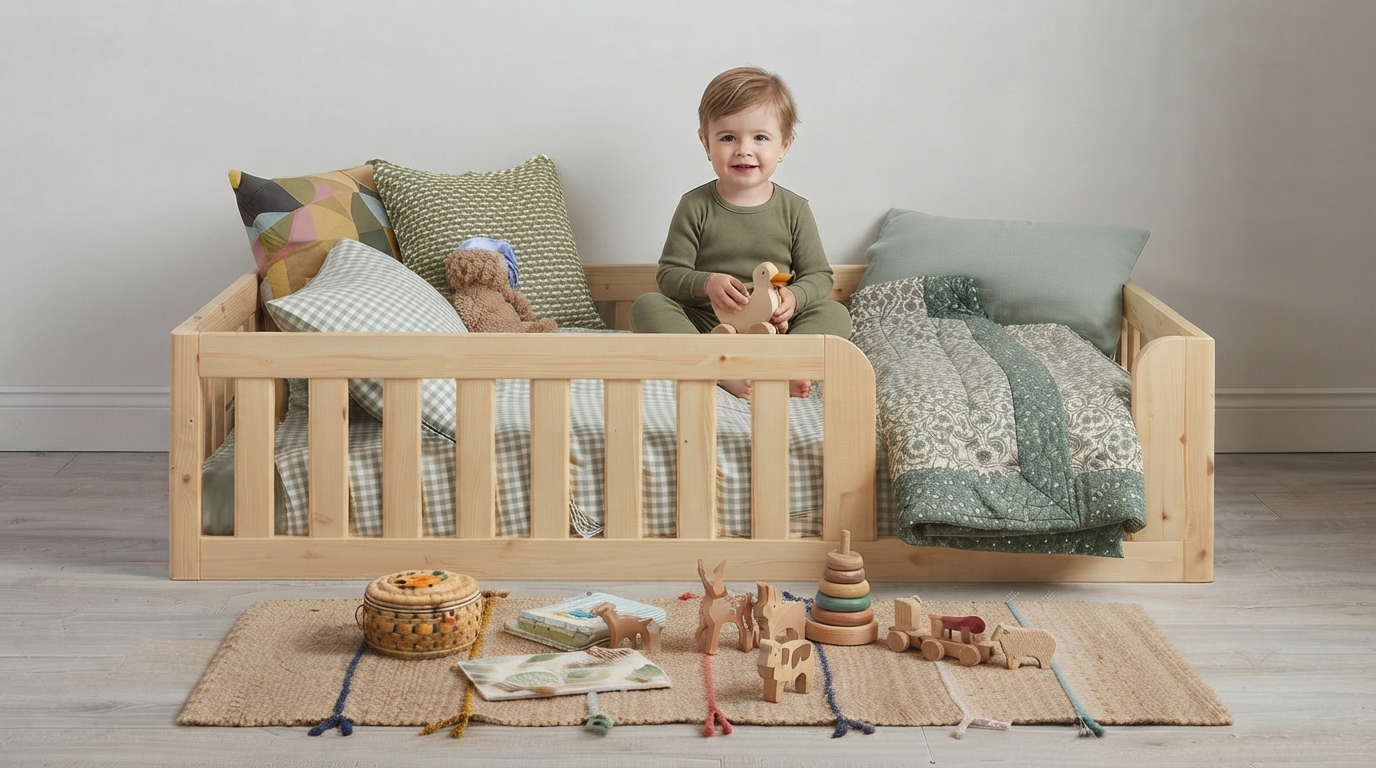
Choosing the right toddler transition bed is an important step in creating a child-friendly bedroom that supports independence, comfort, and healthy development. From a furniture and interior design perspective, a toddler bed is more than a smaller sleeping surface—it is a carefully considered piece of furniture that should balance safety, ergonomics, durability, and visual harmony within the room.
The transition from a cot to a toddler bed marks a significant change in a child’s daily routine. A thoughtfully designed sleep space can help children feel secure while encouraging confidence as they begin to navigate their environment more independently.
Understanding the Right Time for a Toddler Bed Transition
The ideal time to introduce a toddler bed varies from child to child. Many children make the transition between 18 months and three years old, depending on their physical abilities, confidence, and readiness.
According to the American Academy of Pediatrics, creating a safe and consistent sleep environment is essential for supporting healthy childhood development. Toddlers between one and two years old typically require approximately 11 to 14 hours of sleep daily, including naps, while children aged three to five generally need around 10 to 13 hours.
Common signs that a child may be ready for a toddler bed include:
Rather than focusing only on age, parents should consider whether the furniture transition matches the child’s developmental stage.
Why Furniture Design Matters in a Toddler Bedroom
A toddler bedroom should be designed around the child’s needs, not simply scaled down from an adult room. Good children’s furniture follows principles of proportion, accessibility, and functionality to create an environment that feels comfortable and intuitive.
A well-designed toddler bed typically features a low sleeping profile, allowing children to climb in and out independently. This child-scaled approach supports confidence and encourages toddlers to participate in their own routines.
From a design perspective, the best toddler beds combine:
Furniture should not only look appealing but also support how children interact with their surroundings.
Key Design Features to Consider When Choosing a Toddler Bed
Selecting a toddler bed requires attention to both practical performance and design quality.
Low-Profile and Accessible Design
A lower bed frame allows toddlers to access their sleeping space without unnecessary assistance. This promotes independence while also reducing the potential impact of accidental falls.
Quality Materials and Construction
Children’s furniture experiences significant daily use, from climbing and playing to regular bedtime routines. Durable materials, reliable joinery, and high-quality finishes help ensure the bed remains stable and functional over time.
Comfortable and Supportive Sleep Setup
The mattress should fit securely within the bed frame without gaps and provide appropriate support for a growing child. A properly fitted mattress contributes to both safety and overall sleep quality.
Adaptable Style
A thoughtfully designed toddler bed should complement the wider bedroom environment. Neutral tones, natural textures, and simple forms allow furniture to remain visually relevant as children grow and their preferences change.
Creating a Child-Centred Bedroom Layout
A successful toddler bedroom is not defined by one piece of furniture alone. The overall layout plays an important role in creating a calm and functional environment.
Interior designers often consider elements such as furniture placement, accessibility, storage solutions, and visual simplicity when planning children’s spaces.
Helpful design principles include:
A well-planned room allows children to interact with their environment safely while helping parents maintain an organised space.
Supporting Independence Through Thoughtful Design
The design philosophy behind many child-focused interiors is based on encouraging independence through accessibility. When children can reach their belongings, manage simple routines, and interact with furniture comfortably, they develop confidence in everyday activities.
This approach is closely associated with Montessori-inspired design principles, which emphasise creating environments where children can explore and learn through independent movement.
A toddler bed designed with these principles in mind can become part of a wider bedroom environment that supports curiosity, confidence, and personal growth.
Safety Considerations for Toddler Bedrooms
While aesthetics are important, safety remains the foundation of good children’s furniture design.
Parents should consider:
Regularly reviewing the bedroom setup is important as toddlers grow and become more active.
Choosing Furniture That Grows With Your Child
The best toddler bedroom designs balance immediate needs with long-term practicality. Investing in well-made furniture allows families to create spaces that remain functional while adapting to changing routines and preferences.
Roomix focuses on creating thoughtfully designed children’s furniture that combines functionality, quality, and modern aesthetics. For parents looking to design a practical and inspiring child-friendly space, incorporating montessori furniture home principles can help create a bedroom environment that encourages independence, comfort, and confident growth.