

Looking at Tavira apartments for sale? Here's what shapes the market in Portugal's most photogenic Eastern Algarve town, and what to check before you buy.
Tavira has a habit of surprising people. Photos never quite capture it, the compact centre, the river running through town, the rooftops of the old town visible from almost every angle. Once buyers spend a few days actually walking the streets, interest in Tavira apartments for sale tends to move from curiosity to something more serious fairly quickly.
Part of the appeal is practical. Unlike villas, which usually sit outside the centre and require a car for daily life, apartments in Tavira put buyers within walking distance of cafés, the market, the river, and the town's restaurants. For buyers who want a lock-up-and-leave property, or who plan to spend extended periods without needing to drive everywhere, that walkability matters more than it might sound on paper.
What the Apartment Market Looks Like
Tavira's apartment stock splits fairly cleanly into two categories. Inside the historic centre, buyers find older buildings, many with traditional tiled facades and wrought-iron balconies, that have been renovated to varying standards. Some have been fully modernised with contemporary interiors behind a protected historic exterior. Others still need work, and pricing usually reflects that.
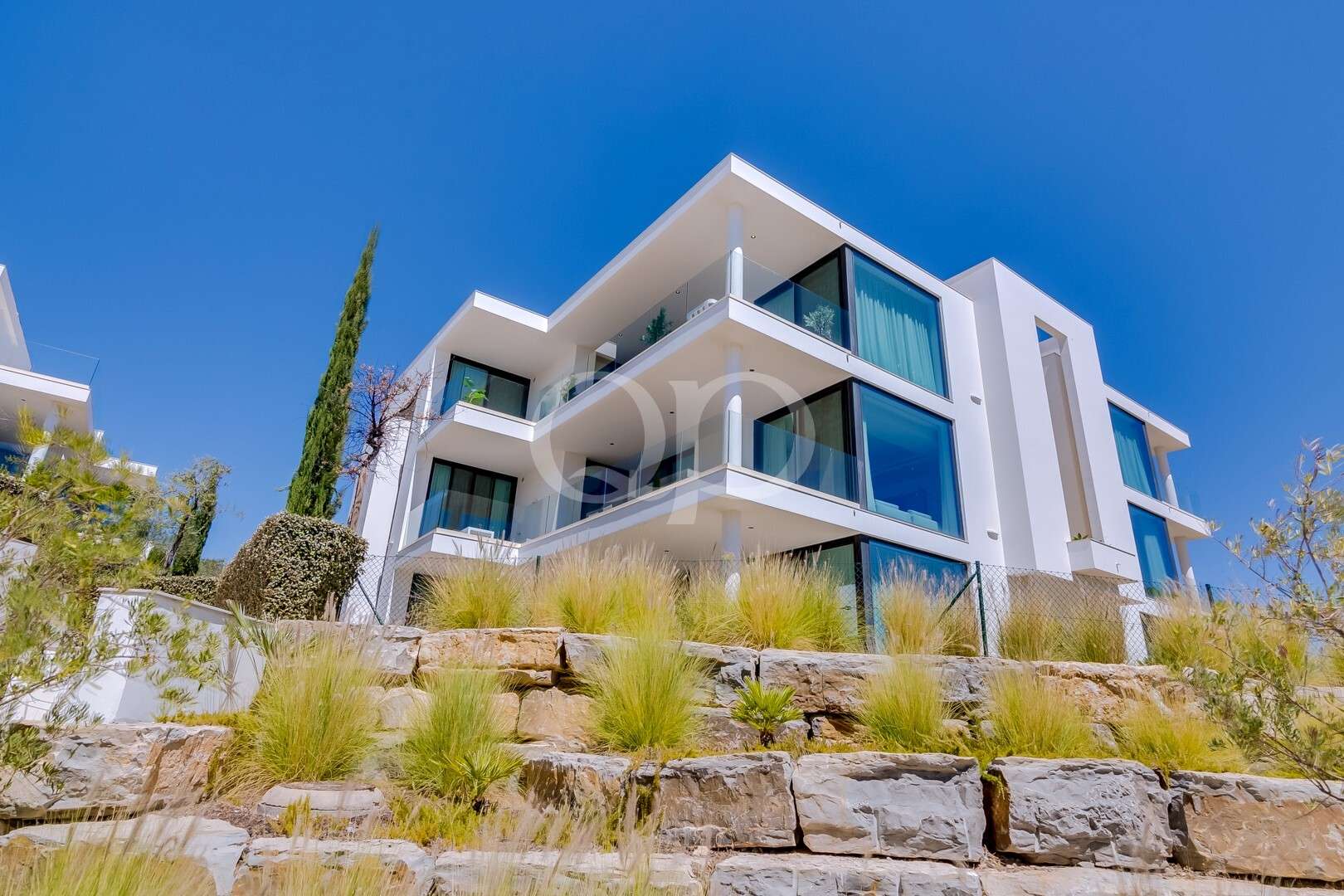
Outside the immediate centre, newer developments offer larger floor plans, off-street parking, and amenities like shared pools, generally at a lower price per square metre than the historic core. These suit buyers who want modern specification and don't mind a short walk or drive into town.
Conservation rules in the historic centre are genuinely strict, which protects the character that draws buyers here in the first place, but also limits how much new stock enters the market each year. Well-priced apartments in good condition inside the walls tend not to stay listed for long.
What Buyers Should Check Before Offering
A few things are worth confirming on any apartment purchase in Tavira specifically:
Building management and shared costs. Older buildings in the historic centre sometimes have informal or inconsistent management arrangements for shared areas, roofs, and facades. Ask directly what the condominium fees cover and how maintenance decisions get made.
Noise and foot traffic. Tavira's centre is lively, particularly in summer evenings. A ground or first-floor apartment near a popular restaurant street will have a very different atmosphere from a third-floor apartment on a quieter side street. Viewing at different times of day helps.
Flood history. Tavira sits close to the river and the Ria Formosa. It's worth asking directly whether a specific building or street has had any flooding history, and whether flood insurance is straightforward to arrange for the property.
Energy performance. Older buildings inside the historic walls can be harder and more expensive to insulate and cool than newer construction. Ask for the energy certificate and factor realistic running costs into your budget, especially for summer air conditioning.
The Buying Process in Brief
Foreign buyers face no restrictions purchasing property in Portugal. The usual sequence is: obtain a Portuguese tax number (NIF), open a local bank account, sign a promissory contract (CPCV) with a deposit once a price is agreed, complete legal due diligence through an independent lawyer, then finalise at the notary. Budget an additional 6 to 8% on top of the purchase price for property transfer tax (IMT), stamp duty, and legal and notary fees.
Why Buyers Keep Coming Back to Tavira
Tavira has managed something a lot of Algarve towns haven't: staying genuinely liveable while remaining a serious draw for international buyers. It isn't a resort built for tourism. It's a working Portuguese town that tourism and international buyers have discovered, which is part of why its character has held up.
For buyers weighing an apartment against a villa, the trade-off usually comes down to lifestyle. An apartment in the centre means less maintenance, walkable daily life, and typically an easier property to rent out short-term if that's part of the plan. A villa further out means more space and privacy, at the cost of needing a car for almost everything. Neither is the "right" answer, but understanding which one actually fits how you plan to use the property saves a lot of second-guessing once you're partway through a search.


