Land for sale in Portugal isn't all equal. Here's how zoning and land classification determine what you can actually build, before you make an offer.
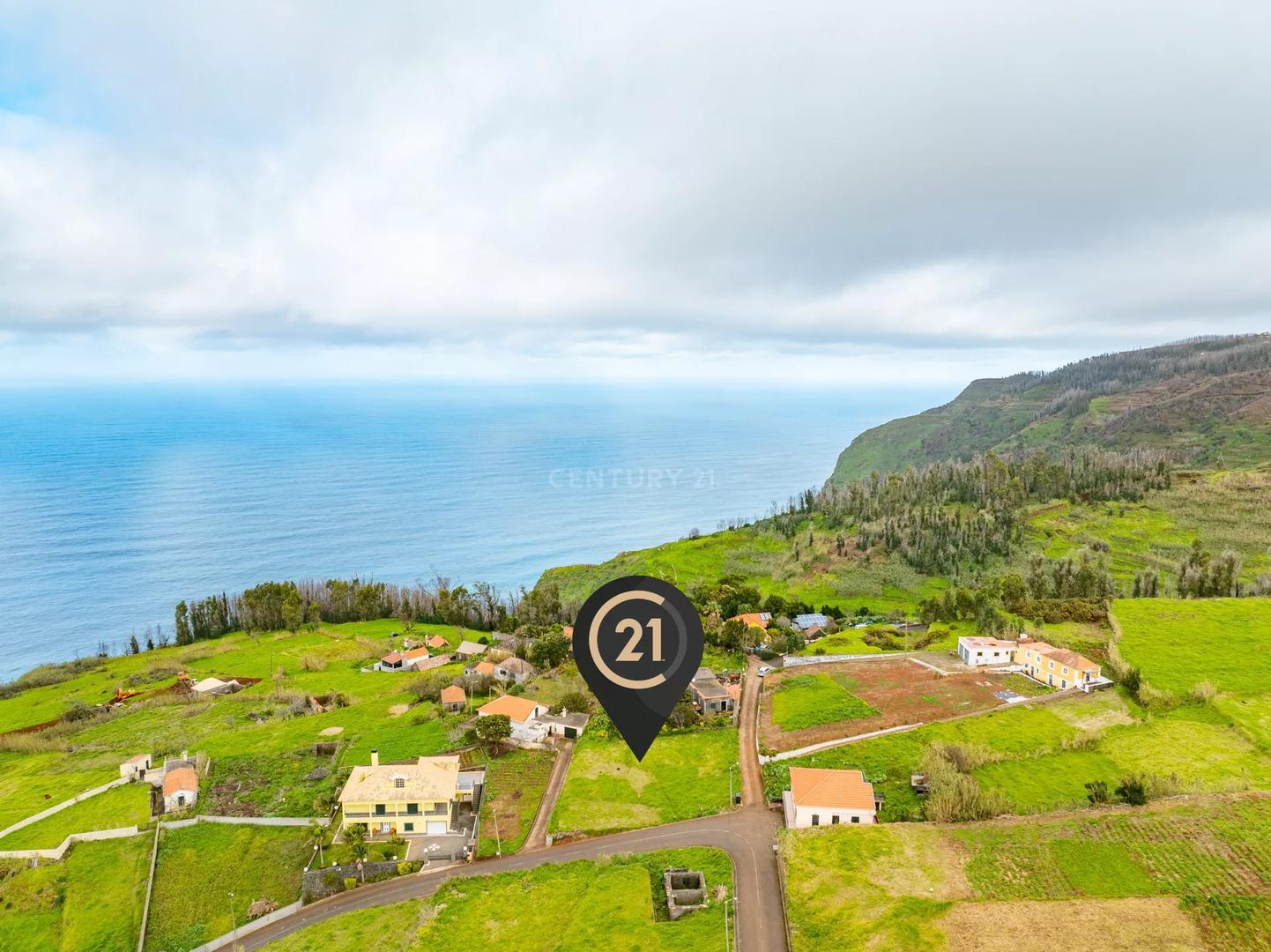
Buying land to build your own home in Portugal appeals to a specific kind of buyer, one who wants a property built exactly to their own brief rather than compromising on an existing house. Anyone browsing properties for sale in Algarve, Portugal for the first time should understand one thing early: the classification of a plot matters more than almost anything else about it, including price or location.
Why Classification Comes First
Portuguese land is legally categorised, and that categorisation determines whether, and how much, you're allowed to build. Urban land within a municipality's designated development zone generally permits construction, subject to local zoning rules on height, density, and footprint. Rural land is a different matter entirely, building permission on rural land is heavily restricted and, in many cases, simply isn't available except for specific agricultural purposes.
This single distinction accounts for more disappointed buyers than any other issue in the Portuguese land market. A plot with beautiful views at an attractive price can turn out to carry no realistic prospect of building permission, while a less scenic plot nearby might be entirely straightforward. Confirming classification directly with the local câmara municipal before making an offer, rather than after, is the single most important step in the process.
What Else Shapes What You Can Build
Beyond basic classification, several other factors determine what's actually achievable on a given plot:
Specific zoning designation sets the maximum footprint, height, and density for construction, meaning two similarly sized plots nearby can have very different allowances depending on how each is zoned.
Infrastructure access, water, electricity, and sewage connections, or the cost of bringing them to the plot, has a real impact on total build cost that goes well beyond the land price itself.
Existing planning history attached to the land, including any previous applications and whether they were approved or refused, is worth investigating, since a prior refusal can signal a genuine obstacle rather than simple bad luck.
Access rights need checking against the official land registry rather than taken on trust, since informal access arrangements that worked for a previous owner don't always carry over cleanly to a new one.
Getting the Order Right
Buyers who have the smoothest experience consistently follow the same sequence: confirm land classification and zoning first, get a realistic assessment from an architect on what's buildable and roughly what it will cost, and only then move toward making an offer. Buyers who skip straight to falling for a plot before checking any of this are the ones who end up either losing a deposit or spending years trying to secure a building permission that never quite materialises.
An independent lawyer, separate from anyone recommended by the seller, is particularly valuable for land purchases given how much of the value rests on permissions rather than the physical plot. Budget roughly 6 to 8% above the purchase price for transfer tax, stamp duty, and legal and notary fees, plus separate architect and planning costs once you move toward actually building.
The Payoff for Getting It Right
Despite the added complexity compared with buying an existing property, land purchases remain popular precisely because they let buyers build a home that genuinely matches their brief rather than the nearest available compromise on the resale market. For buyers with a clear vision and the patience to do the groundwork properly, that payoff tends to be well worth the extra steps involved.