Learn here How do HVAC Contractors Optimize System Performance After Installation.
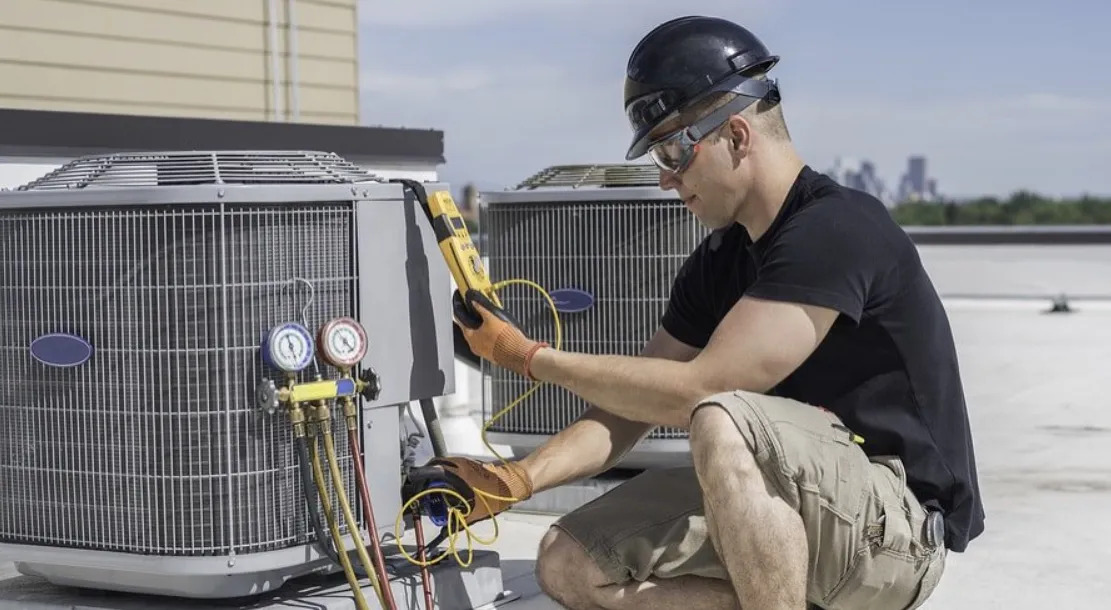
Installing a new heating and cooling system is only the first step toward achieving reliable indoor comfort. Even when equipment is properly selected and installed, performance can fall short if the system is not carefully adjusted to real operating conditions. Airflow patterns, control settings, and environmental factors all influence how a system performs in daily operation. HVAC contractors play an important role after installation by fine-tuning system operation to ensure it runs smoothly, efficiently, and consistently. Their post-installation efforts focus on aligning mechanical performance with actual building needs, helping systems deliver stable comfort while reducing unnecessary strain on components.
1. Initial System Calibration and Verification
After installation, HVAC contractors begin optimization by verifying that all components are operating as intended. This process includes checking airflow direction, confirming refrigerant levels, and validating electrical connections. Even minor deviations during installation can affect long-term performance if left uncorrected. Contractors measure temperature differentials, system pressures, and operational cycles to ensure the system responds accurately to thermostat commands. In service areas such as HVAC in Spartanburg, SC, this verification is especially important before seasonal demand increases. Calibration at this stage establishes a performance baseline, allowing contractors to confirm that the system operates within safe and efficient ranges rather than compensating for unnoticed imbalances.
2. Airflow Adjustment and Distribution Balance
Airflow plays a critical role in how effectively a heating and cooling system performs. HVAC contractors assess how air moves through ductwork and into different areas of the building. Uneven airflow can make some rooms uncomfortable while others receive excessive conditioning. Contractors adjust dampers, registers, and blower settings to balance air distribution throughout the space. These adjustments help ensure consistent temperatures and reduce overworking of certain system components. Proper airflow balance also supports quieter operation and prevents pressure-related stress that can shorten equipment lifespan. By refining airflow after installation, contractors help systems operate more smoothly under everyday conditions.
3. Control Settings and Thermostat Optimization
Modern HVAC systems rely heavily on control settings to regulate performance. After installation, HVAC contractors review thermostat placement, programming, and communication with the system. Incorrect settings can cause frequent cycling or extended runtimes, reducing efficiency. Contractors adjust control parameters to reflect actual occupancy patterns and comfort preferences. This includes setting appropriate temperature ranges and verifying that sensors respond accurately. Optimized controls help the system maintain steady operation rather than reacting aggressively to minor temperature changes. These refinements enable the system to deliver consistent comfort while avoiding unnecessary wear from improper control behavior.
4. Refrigerant and Heat Transfer Optimization
Efficient heat transfer is essential for system performance, and HVAC contractors pay close attention to this aspect after installation. They confirm that refrigerant levels are correct and that coils are clean and unobstructed. Improper refrigerant balance can reduce cooling or heating capacity and force the system to work harder than necessary. Contractors also ensure fans and blowers support effective heat exchange by moving air at appropriate speeds. Optimizing heat transfer helps the system reach target temperatures efficiently, reducing runtime and improving overall stability. This attention prevents a gradual performance decline that can occur when systems operate under hidden inefficiencies.
5. A Focused Optimization Example
A newly installed system may cool effectively but cycle too frequently due to thermostat sensitivity or airflow imbalance. By adjusting control thresholds and redistributing airflow, HVAC contractors can reduce cycling and stabilize operation. This single optimization improves comfort, lowers energy use, and reduces mechanical stress. Such targeted adjustments demonstrate how post-installation optimization transforms a functioning system into a well-performing one.
6. Monitoring Early Performance Trends
The period immediately following installation offers valuable insight into system behavior. HVAC contractors monitor how the system performs during normal operation, identifying patterns that may indicate inefficiency or imbalance. Early performance monitoring helps reveal issues such as uneven temperature recovery or excessive runtime. Contractors use these observations to make informed adjustments rather than relying solely on initial setup values. This proactive approach ensures that small performance concerns are addressed before they become long-term problems. Monitoring also helps establish confidence that the system can handle seasonal changes without additional strain.
7. Adapting System Settings to Real Conditions
Every building behaves differently once a new HVAC system is installed. HVAC contractors adapt system settings based on how the space retains heat, responds to sunlight, and experiences occupancy changes. Adjustments may include modifying airflow timing or recalibrating controls to match real-world conditions. Without these adaptations, systems may operate according to assumptions that no longer apply. Contractors help align system behavior with actual usage patterns, ensuring comfort remains consistent throughout the building. This adaptability supports long-term performance by preventing systems from compensating unnecessarily for mismatched settings.
8. Supporting Long-Term Efficiency and Reliability
Optimization after installation also sets the stage for long-term efficiency and reliability. HVAC contractors document performance settings and adjustments to create a reference for future service. This documentation helps maintain consistency in maintenance and troubleshooting. Systems that are optimized early tend to experience fewer issues because they begin operation under balanced conditions. By proactively addressing performance, contractors reduce the likelihood of premature wear and unexpected service needs. This foundation supports dependable operation throughout the system's service life.
Optimizing system performance after installation is essential for achieving consistent comfort and reliable operation. HVAC contractors play a key role by calibrating components, balancing airflow, refining controls, and monitoring early performance trends. Their adjustments help align system operation with real building conditions rather than relying solely on initial setup. This post-installation focus reduces equipment strain, improves efficiency, and supports long-term stability. When optimization is treated as a priority rather than an afterthought, HVAC systems deliver dependable performance that meets comfort expectations while operating smoothly over time.