Learn here how to Amend Raised Bed Soil in Fall.
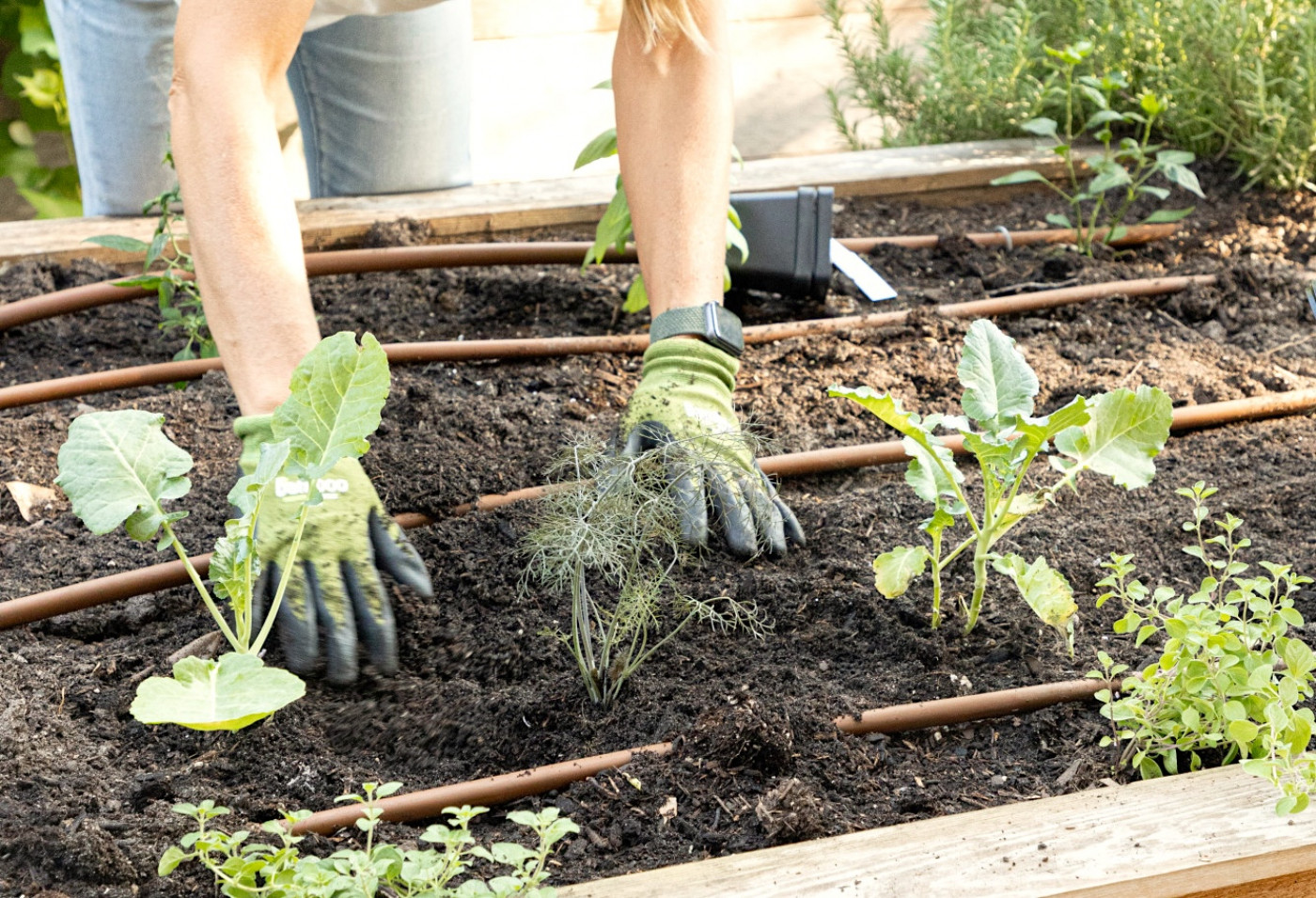
As the growing season winds down, your raised garden bed soil has been through a lot — roots have drawn out nutrients, watering has altered its structure, and summer heat has stressed the soil ecosystem. Fall is the perfect time to amend your raised bed soil so it’s rich, balanced, and ready for spring. Whether you garden in metal raised garden beds, wooden frames, or planter boxes, amending soil now pays dividends for next year’s crops.
Fall soil amending allows organic matter and minerals to break down over winter, enriching the soil by spring. It also saves time during the busy spring planting rush. In metal raised garden beds, which warm up quickly in spring, fall amendments are particularly effective because decomposition accelerates slightly in the insulated environment.
Start by clearing out all plants, roots, and weeds from your raised garden bed. Compost healthy plant matter and discard anything diseased. This prevents pathogens from overwintering in your soil.
In planter boxes, remove any plant supports or trellises so you have full access to the soil surface.
Check the soil’s texture and structure. If it feels compacted, consider loosening it gently with a garden fork. Soil in metal raised garden beds often maintains better structure due to contained drainage, but it can still compact over a busy growing season.
Look for:
Organic matter improves fertility, structure, and water-holding capacity. In fall, you can add:
Fill raised garden beds or planter boxes up to 1–2 inches below the rim, blending new material into the top 6–8 inches.
If your soil test shows deficiencies, fall is the time to correct them:
In metal raised garden beds, nutrients stay well-contained, so adjustments last longer without leaching away as quickly as in open ground.
If your bed’s soil is too sandy, add compost and coconut coir for better moisture retention. If it’s too clay-heavy, incorporate coarse sand and organic matter to improve drainage. Raised garden beds give you full control over texture adjustments.
Healthy soil teems with beneficial microbes and earthworms. Encourage this by adding:
In planter boxes, where volume is limited, these boosters are especially valuable for sustaining fertility.
Once amended, cover the soil to prevent erosion and nutrient loss:
This is particularly important in deeper metal raised garden beds, where exposed soil can dry out and lose structure more quickly.
It’s tempting to add as much as possible, but too many amendments can cause nutrient imbalances. Stick to soil test recommendations and proven organic matter rates.
Use fall as a time to think ahead: mark areas for early spring crops, note where you’ll rotate plant families, and decide if you’ll use season extension covers.
When planning your fall soil amendments, it’s worth understanding why raised garden beds often outperform traditional in-ground gardening. The differences go beyond convenience — the very structure of a raised garden bed creates a healthier, more productive growing environment.
With in-ground gardening, you’re at the mercy of your native soil’s texture, drainage, and nutrient profile. In contrast, raised bed soil is built from scratch, allowing you to control the mix of compost, organic matter, and aeration materials. This means you can create the perfect environment for your crops, especially when using metal raised garden beds or sturdy planter boxes that contain soil effectively.
One of the biggest advantages of raised beds is superior drainage. Water doesn’t pool the way it can in compacted in-ground soil. Roots get consistent moisture without the risk of waterlogging, which is especially beneficial in the cooler, wetter conditions of fall.
Fall gardening often means cooler temperatures, and raised beds naturally warm up faster than in-ground soil. This extended warmth can give your fall crops a head start and extend your growing season, particularly when you’re using metal raised garden beds that retain and radiate heat.
Because you control the contents of your raised bed soil, you can reduce the risk of weeds, soil-borne diseases, and pests that often hide in native soil. For gardeners transitioning from summer to fall planting, this means less maintenance and healthier crops.
Unlike in-ground soil, which can compact over time due to foot traffic or heavy rain, the soil in raised garden beds remains light, airy, and easy to amend year after year. Even after the growing season, amending the soil in a raised bed is faster and more efficient because you’re working with a contained space.
In short, while in-ground gardening has its charm, raised garden beds and planter boxes offer unmatched control, efficiency, and productivity — making fall the perfect season to give your soil an upgrade.
Fall soil amending is one of the most effective steps you can take to ensure next season’s success. Whether you garden in raised garden beds, metal raised garden beds, or compact planter boxes, enriching and balancing your soil now sets the stage for healthier plants, bigger yields, and a more resilient garden. With the right fall care, your raised bed will be bursting with life by the time spring arrives.