Regular maintenance and timely repairs can extend the lifespan of a roof. Addressing problems early can save money and prevent further damage.
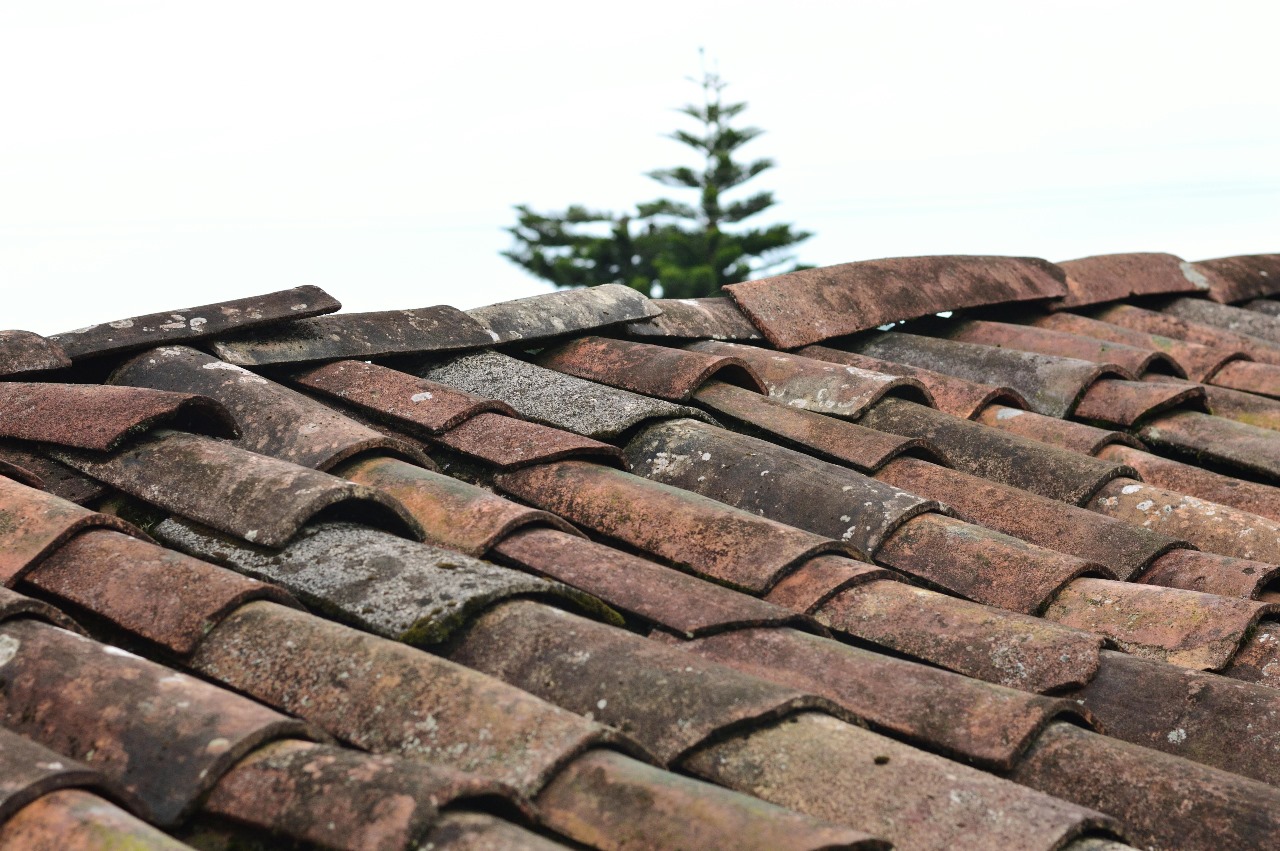
A roof offers more than just protection from the elements. A roof defends homes against rain and wind and protects them from excessive sunlight. The roof experiences deterioration with time. Small problems that go unchecked will eventually result in significant structural damage. Early detection of warning signs remains essential for proper recognition. Five clear indicators show that your roof requires immediate attention.
Shingles function as the primary protective barrier against weather conditions. The roof remains vulnerable when shingles show signs of cracking or curling or when they are absent. Water penetration through the roof can result in rot damage. Wind can carry away loose shingles, thus revealing the roofing material beneath. Fast damage spread occurs when multiple shingles are absent from the roof. Regularly checking for shingle debris in gutters and on the ground serves as a useful practice. The replacement of damaged shingles should happen as soon as possible. Routine maintenance plays a vital role in stopping major repairs and maintaining roof protection for the home. A professional inspection will reveal problems that are not immediately visible.
A stained ceiling is often a sign of trouble. Water from a leaky roof can seep into the attic and trickle down. Brown or yellow stains mean moisture has been there for a while. Over time, damp areas can lead to mold growth. Mold is not only bad for the house but also for health. If stains keep growing or reappear after cleaning, the leak is still active. Fixing the problem quickly can prevent costly repairs. Ignoring water stains can lead to further interior damage, including peeling paint and weakened drywall. The presence of mold can also result in respiratory issues and allergies. Homeowners should regularly check their ceilings and walls, especially after heavy rainfall. Addressing leaks early can prevent more extensive damage and maintain a healthy living environment.
A straight roofline means stability. If the roof starts to sag, it signals serious damage. This can happen due to prolonged exposure to moisture. Water weakens the structure and causes wood to warp. A sagging roof can collapse if ignored. Looking at the roof from a distance can help spot any unusual dips or curves. If the problem is caught early, reinforcement may be enough to fix it. If left too long, a full roof replacement may be necessary. This issue often stems from excess weight on the roof, such as heavy snow or pooling water. Poor attic ventilation can also contribute to sagging by allowing moisture buildup. Regular maintenance, including clearing debris and ensuring proper drainage, can help prevent a sagging roof. Professional inspections can determine the severity and best course of action. If a roof shows any of these signs, prompt action is needed. Ignoring them can lead to costly repairs or even a full replacement. For those who reside in the area, local Austin roofers can provide expert help.
Shingles have a protective layer of granules. These tiny particles shield against sun damage and water. Over time, they wear off and wash into the gutters. Finding a small amount is normal. However, excessive granules signal aging shingles. Without this layer, the shingles can become brittle. Cracks may form, leading to leaks. If granules are filling up the gutters, the roof may need an inspection. Granule loss often accelerates due to harsh weather conditions and frequent temperature fluctuations. Once shingles lose their protective coating, they become more susceptible to damage. Homeowners should check their gutters regularly and look for signs of excessive granules. If granule loss is widespread, replacing the shingles or even the entire roof might be necessary.
A damaged roof affects more than just the structure. It can impact indoor temperature. If heating and cooling bills suddenly rise, the roof might be the cause. Gaps or leaks allow air to escape. The HVAC system works harder to maintain the desired temperature. Insulation may also be compromised. Checking drafts near the ceiling can help confirm the issue. Sealing leaks and fixing damaged areas can restore energy efficiency. Poor roof ventilation can also trap heat in the attic, making cooling efforts less effective. During winter, heat loss through a faulty roof can increase heating costs. Investing in proper insulation and ensuring there are no air leaks can make a noticeable difference. Regular inspections can catch these issues before they result in skyrocketing utility bills.
Regular maintenance and timely repairs can extend the lifespan of a roof. Addressing problems early can save money and prevent further damage.
A home is a valuable investment. Keeping the roof in good condition ensures safety and comfort. Paying attention to warning signs can make all the difference.