Understanding what colon polyps are and why monitoring may be recommended can help patients make informed decisions regarding their healthcare.
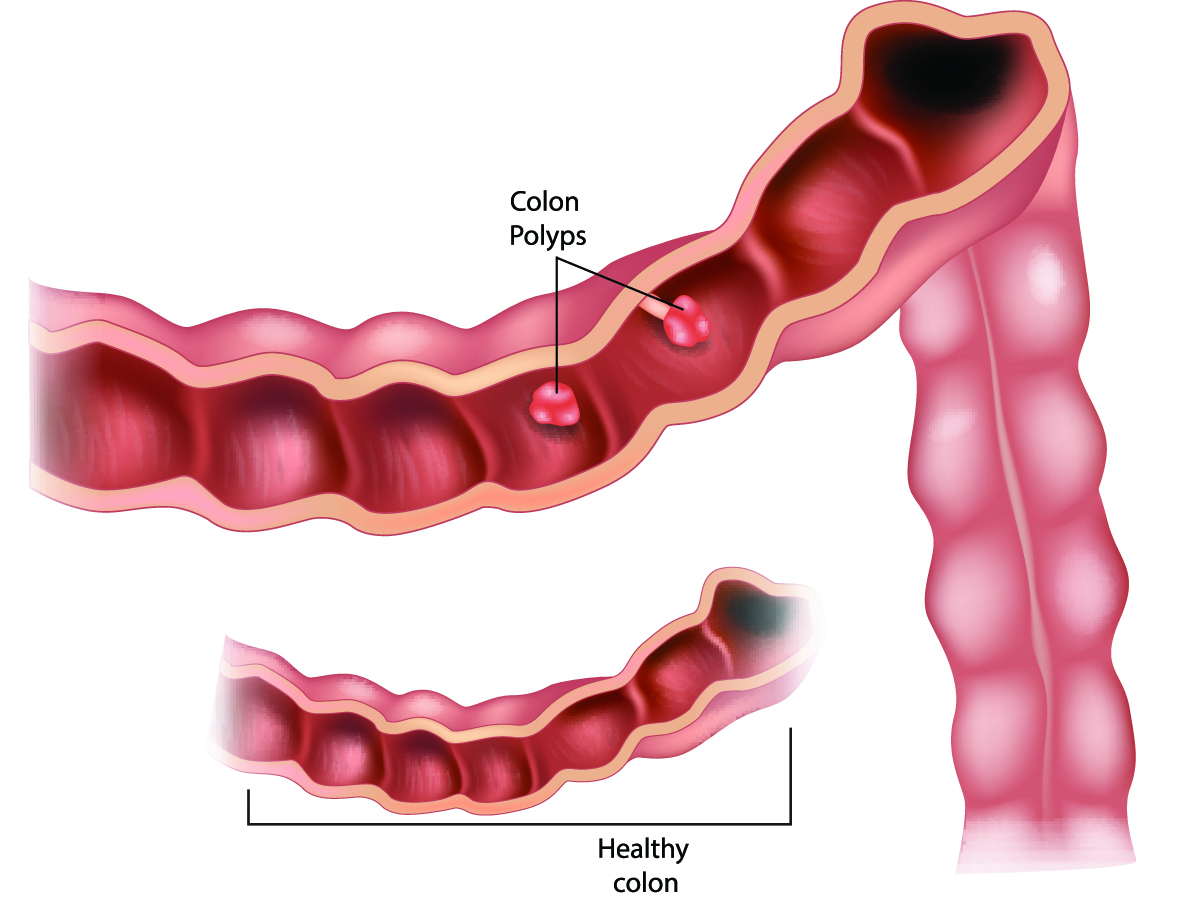
Colon polyps are growths that develop along the inner lining of the colon or rectum. They are commonly discussed during colorectal screening conversations because some polyps may undergo changes over time. Many patients may not experience noticeable symptoms, which is why screening procedures such as colonoscopy continue to play a role in colorectal health evaluation.
In Singapore, awareness regarding colorectal screening and digestive health has increased in recent years. A colonoscopy specialist may discuss colonoscopy screening with patients based on factors such as age, symptoms, family history, and previous medical findings.
Colon polyps are tissue growths that form on the inner surface of the large intestine. They may vary in size, shape, and number. Some polyps remain small and unchanged for many years, while others may develop structural changes over time.
There are different types of colon polyps. Certain polyps are considered less likely to undergo concerning changes, while others may require closer monitoring depending on their appearance and tissue characteristics. Healthcare professionals commonly determine the type of polyp through laboratory examination after removal.
Many colon polyps do not cause symptoms, particularly during the earlier stages. As a result, some individuals only discover they have polyps during routine colonoscopy screening.
Several factors may be associated with the development of colon polyps. Increasing age is one commonly discussed factor, particularly among adults above middle age. However, younger individuals may also develop polyps in certain situations.
Other factors that may be discussed during medical consultations include:
A doctor or colonoscopy specialist may evaluate these factors when discussing colorectal screening recommendations. Individual risk profiles may differ from person to person.
Many patients with colon polyps do not experience symptoms. However, depending on the size or location of the polyp, some individuals may notice digestive changes that require medical attention.
Possible symptoms may include:
These symptoms may also be associated with other digestive conditions. A medical evaluation may help determine whether additional investigations are required.
Because symptoms may not always appear, colorectal screening discussions are often encouraged for adults within specific age groups or for individuals with additional risk factors.
Colonoscopy is one of the commonly used procedures for examining the inner lining of the colon and rectum. During the procedure, a flexible tube fitted with a small camera is inserted through the rectum to allow the doctor to visualise the colon.
A colonoscopy specialist may identify polyps during the examination. In many cases, smaller polyps may be removed during the same procedure using specialised instruments passed through the colonoscope.
Colonoscopy may be recommended for:
In some situations, doctors may also discuss stool-based tests or imaging studies as part of colorectal evaluation. However, colonoscopy remains one of the procedures commonly used for direct visual examination of the colon lining.
If abnormalities are identified through other screening tests, patients may still require colonoscopy for further assessment.
Monitoring colon polyps may be important because some polyps can change gradually over time. The likelihood of change may depend on factors such as the size, number, and tissue characteristics of the polyps.
When polyps are removed during colonoscopy, laboratory analysis may help determine whether additional follow-up is recommended. Some patients may be advised to undergo repeat colonoscopy procedures at intervals based on their individual findings.
Follow-up recommendations may vary according to:
A colonoscopy specialist may discuss personalised screening schedules depending on the patient’s overall clinical assessment.
If polyps are identified during colonoscopy, the doctor may remove them during the procedure when appropriate. This process is commonly referred to as polypectomy.
Removed tissue samples are usually sent for laboratory analysis to examine the characteristics of the polyps. Results may assist doctors in determining whether additional monitoring or follow-up procedures are recommended.
Following the procedure, patients may discuss:
Some patients may not require immediate follow-up procedures, while others may benefit from closer monitoring depending on their findings.
Preparation is an important part of the colonoscopy process. Patients are usually given instructions designed to help clear the bowel before the examination.
Preparation commonly includes:
Patients are generally advised to follow preparation instructions carefully, as proper bowel preparation may assist doctors in visualising the colon lining more clearly during the procedure.
Sedation may also be discussed before the examination. Following colonoscopy, patients may experience mild bloating or temporary drowsiness related to sedation.
Public awareness regarding colorectal health and colonoscopy screening continues to grow in Singapore. Discussions surrounding digestive symptoms, family history, and colorectal screening may encourage individuals to seek medical advice earlier when concerns arise.
Healthcare professionals may also discuss lifestyle factors associated with digestive health, including dietary habits, physical activity, smoking, and alcohol consumption.
Patients who experience persistent digestive symptoms or changes in bowel habits may benefit from discussing their concerns with a qualified healthcare professional. A colonoscopy specialist may recommend further evaluation depending on the patient’s symptoms and medical history.
Colon polyps are commonly discussed in relation to colorectal screening and digestive health evaluation. While many polyps may remain non-cancerous, some may require monitoring based on their characteristics and clinical findings.
Colonoscopy procedures continue to play a role in detecting and removing colon polyps, particularly among patients with symptoms or increased risk factors. Understanding the purpose of colorectal screening and follow-up monitoring may help individuals make informed healthcare decisions.
Patients considering colorectal screening or experiencing persistent digestive symptoms may wish to consult a colonoscopy specialist to discuss whether further evaluation is appropriate for their individual needs.