Let's discuss the Questions Patients May Ask an Orthopaedic Specialist About Meniscus Tears.
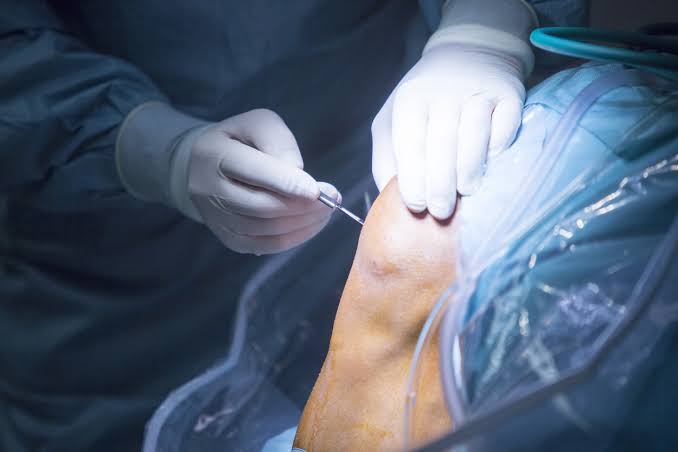
Meniscus tears are among the more commonly discussed knee injuries in orthopaedic care. They may affect individuals involved in sports, physically demanding occupations, or even older adults experiencing age-related changes in the knee joint. Because knee pain and movement difficulties can affect daily activities, many patients seek guidance from an orthopaedic specialist to better understand their condition and available treatment options.
A meniscus injury can vary in severity, symptoms, and impact on mobility. During a consultation, patients often have questions regarding diagnosis, treatment approaches, recovery expectations, and whether surgery may be necessary.
The meniscus is a piece of cartilage located within the knee joint. Each knee contains two menisci one on the inner side and one on the outer side of the knee. These structures help distribute weight across the joint and may assist with shock absorption during movement.
The meniscus also contributes to knee stability and supports smoother movement between the thigh bone and shin bone. Because the knee experiences repeated stress from walking, running, squatting, and twisting movements, the meniscus may become vulnerable to injury.
Meniscus tears may occur in different ways. In younger individuals, tears are often associated with sports or sudden twisting movements while the foot remains planted. Activities involving pivoting, jumping, or rapid direction changes may place stress on the knee joint.
Among older adults, degenerative changes in the cartilage may increase the likelihood of meniscus injuries over time. In some cases, relatively minor movements such as kneeling or squatting may contribute to a tear if the cartilage has already weakened with age.
Symptoms of a meniscus tear can differ depending on the location and severity of the injury. Some patients may experience immediate discomfort after a knee injury, while others notice symptoms gradually.
Common symptoms may include:
Some individuals may also hear or feel a popping sensation at the time of injury.
Patients experiencing persistent knee discomfort, recurrent swelling, or difficulty bearing weight may consider seeking medical assessment. Knee locking, limited movement, or symptoms affecting daily activities may also warrant evaluation by an Orthopaedic Specialist.
Early assessment may help determine the nature of the injury and whether imaging or further treatment discussions are appropriate.
One of the first questions patients commonly ask involves the diagnostic process. An Orthopaedic Specialist may begin with a discussion about symptoms, medical history, and how the injury occurred.
A physical examination of the knee may be performed to assess tenderness, swelling, movement, and stability. In some situations, imaging studies such as magnetic resonance imaging (MRI) may be recommended to evaluate the meniscus and surrounding knee structures.
X-rays may also be used in certain cases to assess bone-related conditions or signs of arthritis.
Not all meniscus tears require surgery. Treatment recommendations may depend on factors such as:
Some patients may respond to non-surgical management approaches, including rest, physiotherapy, activity modification, and medication prescribed by a doctor for symptom management.
However, surgery may be discussed if symptoms persist, if the knee repeatedly locks, or if the tear affects knee function significantly.
Patients may also ask about the surgical options available for meniscus injuries. Common procedures may include meniscus repair or partial meniscectomy.
Meniscus repair involves stitching the torn cartilage when the tear pattern and blood supply may support healing. Partial meniscectomy involves removing the damaged portion of the meniscus while preserving as much healthy tissue as possible.
These procedures are commonly performed using arthroscopic techniques, which involve small incisions and the use of a camera to visualise the knee joint.
The suitability of each procedure may vary depending on the specific characteristics of the tear.
Recovery is another common concern among patients. Rehabilitation timelines may differ depending on whether treatment is surgical or non-surgical.
Patients undergoing physiotherapy may work on restoring strength, flexibility, and knee stability through guided exercises. Recovery after meniscus repair may require a longer rehabilitation period compared to partial meniscectomy because the repaired tissue needs time to heal.
Some patients may gradually return to daily activities within weeks, while return to sports or higher-impact activities may take longer depending on the treatment plan and recovery progress.
Patients may ask whether delaying treatment could affect long-term knee health. Depending on the severity and location of the tear, some untreated meniscus injuries may continue causing discomfort, swelling, or movement limitations.
In certain situations, ongoing joint irritation may contribute to cartilage wear over time. However, treatment decisions should be individualised based on clinical assessment and patient needs.
Preparing for a consultation may help patients communicate their concerns more effectively. Patients may consider sharing:
Providing clear information may assist the Orthopaedic Specialist in understanding the condition more comprehensively.
Patients may also prepare questions before the appointment. These may include:
These discussions may support informed decision-making regarding treatment and rehabilitation.
Physiotherapy often plays a role in meniscus rehabilitation. Strengthening exercises targeting the muscles around the knee may help support joint stability and mobility.
Exercise programmes are commonly tailored to the individual’s condition, activity level, and recovery goals.
Long-term knee care may involve maintaining a healthy weight, avoiding excessive knee strain, and following rehabilitation guidance provided by healthcare professionals.
Patients returning to sports or exercise programmes may be advised to progress gradually to reduce excessive stress on the knee joint.
Meniscus tears can affect mobility, comfort, and participation in daily activities. Because symptoms and treatment approaches may vary, patients often benefit from asking informed questions during consultations with an Orthopaedic Specialist.
Understanding the diagnostic process, treatment considerations, recovery expectations, and rehabilitation options may help patients participate more actively in their care decisions. Individuals experiencing persistent knee symptoms or movement difficulties may consider seeking medical evaluation for appropriate assessment and guidance.