This article is about face serum vs. moisturizer, outlining their benefits, how they work, and which one you may need for your unique skincare needs.
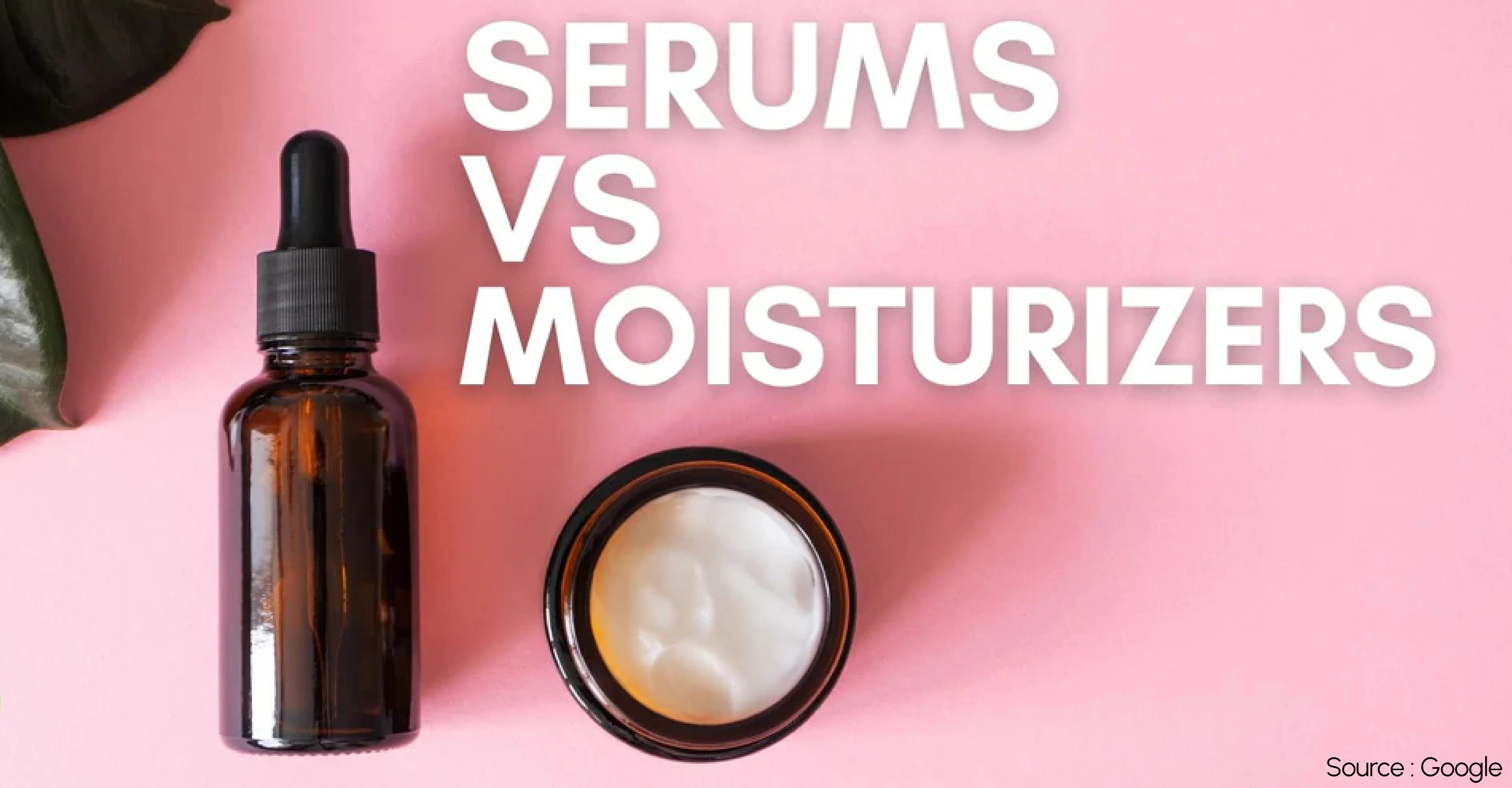
When it comes to skincare, choosing the right products can be overwhelming with the sheer number of options available. Among the most debated skincare products are face serum and moisturizers. Both serve essential roles in keeping your skin healthy, hydrated, and glowing. However, knowing the differences between them and understanding how to use each one can make a world of difference in your skincare routine. In this article, we’ll compare face serum vs. moisturizer, outlining their benefits, how they work, and which one you may need for your unique skincare needs.
A face serum is a lightweight, highly concentrated skincare product designed to target specific skin concerns. Typically formulated with active ingredients like antioxidants, peptides, and vitamins, serums have smaller molecules that allow them to penetrate deeper into the skin. This deep penetration helps deliver a potent dose of ingredients directly to the skin cells, addressing issues such as fine lines, pigmentation, and acne.
Serums are typically used after cleansing but before moisturizing, as their light texture ensures that they are absorbed effectively.
A moisturizer, on the other hand, is a cream or lotion designed to hydrate and lock moisture into the skin. Moisturizers are essential for maintaining the skin’s hydration balance. They act as a barrier to prevent water from evaporating from the skin’s surface. They are typically formulated with ingredients like humectants, emollients, and occlusives to help draw in moisture, smooth the skin’s surface, and keep the skin hydrated throughout the day.
Moisturizers are generally applied after serum, as they help to lock in the active ingredients and provide long-lasting hydration.
Now that we understand the basic functions of a face serum and a moisturizer, let’s break down the key differences between them:
Face serums are usually light in texture and contain smaller molecules that are designed to absorb deep into the skin. They tend to be more liquid and can feel a little tacky after application.
Moisturizers are heavier creams or lotions that form a barrier on the skin to keep it hydrated. They are thicker than serums and help seal in moisture and active ingredients, preventing them from evaporating.
While both products aim to improve skin health, they serve different purposes. Face serums are primarily used for targeted treatments, addressing specific skin concerns like wrinkles, acne, or pigmentation. Moisturizers, on the other hand, focus on providing hydration and keeping your skin soft and smooth throughout the day.
Face serums often contain a higher concentration of active ingredients such as vitamin C, hyaluronic acid, or retinol. These potent ingredients make serums more effective in treating particular skin issues.
Moisturizers contain ingredients like glycerin, ceramides, and oils, which help to hydrate and protect the skin, but their concentration of active ingredients is typically lower than that of serums.
A face serum is applied after cleansing, and possibly after toning, but before moisturizing. The serum penetrates deeper into the skin, and the moisturizer helps seal in the benefits and keeps the skin hydrated.
Choosing between a face serum and a moisturizer depends on your skin’s needs. Both products can be used together in your skincare routine for optimal results. However, the decision to prioritize one over the other will depend on your skin concerns and goals.
Yes! In fact, using both a face serum and a moisturizer is a great way to enhance your skincare routine. The serum will target specific skin concerns, while the moisturizer will ensure your skin remains hydrated and protected.
In the debate of face serum vs. moisturizer, both products are essential for healthy, glowing skin. A face serum is great for addressing specific skincare concerns with potent, targeted ingredients, while a moisturizer provides hydration and protection. The key to an effective skincare routine is finding the right balance between these two products, ensuring you use the one best suited for your skin’s needs and incorporating both for optimal results.
By understanding the difference and knowing when to use each, you can maximize the effectiveness of your skincare regimen, giving your skin the care it deserves.