Let's discuss what are Esophageal Malignancies, their Causes, Diagnosis, and Advanced Treatments.
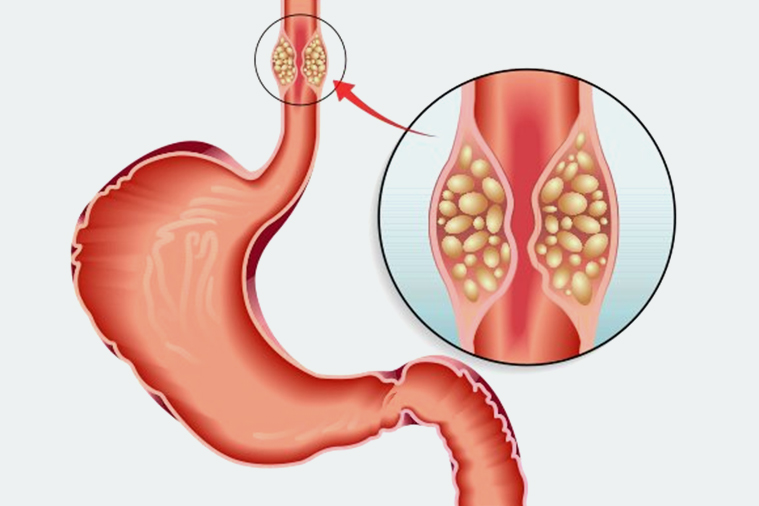
Esophageal cancer is a formidable malignancy that develops in the esophagus, the muscular tube responsible for transporting food and liquids from the throat to the stomach. This disease is generally categorized into two primary histological types, each with distinct underlying causes and cellular origins. Squamous cell carcinoma typically arises in the flat, thin cells lining the upper and middle portions of the esophagus, whereas adenocarcinoma usually develops in the glandular cells of the lower esophagus, often near the junction with the stomach. The physiological impact of Esophageal Cancer is profound, as the progressive narrowing of the esophageal lumen significantly disrupts normal digestion and nutritional intake. Because the early stages of this disease are frequently asymptomatic, it remains a critical global health concern that requires heightened awareness and proactive medical intervention.
The precise etiology of this malignancy involves a complex interaction between genetic predispositions, environmental exposures, and lifestyle choices. For squamous cell carcinoma, chronic irritation of the esophageal mucosa is a primary driver. Prolonged tobacco smoking and heavy alcohol consumption are universally recognized as leading risk factors, significantly increasing an individual's susceptibility. Additionally, diets lacking in essential vitamins and minerals, or the frequent consumption of exceptionally hot beverages, can continuously damage the sensitive epithelial lining over time. Conversely, the development of esophageal adenocarcinoma is heavily linked to chronic gastroesophageal reflux disease (GERD). When stomach acid persistently flows backward into the lower esophagus, it can cause a condition known as Barrett's esophagus, wherein the normal squamous cells are replaced by intestinal-type glandular cells. This precancerous transformation drastically elevates the long-term risk of malignant cellular mutations. Obesity also plays a major role, as it increases intra-abdominal pressure and exacerbates severe, chronic acid reflux.
One of the most challenging aspects of managing this disease is the subtle nature of its early warning signs. As the tumor gradually expands and obstructs the esophageal passage, physiological symptoms become highly pronounced. The most universally reported symptom is progressive dysphagia, or difficulty swallowing. Initially, individuals may notice a transient sensation of solid foods sticking in the chest, which eventually progresses to an inability to swallow liquids as the lumen diameter continues to decrease. This mechanical obstruction almost inevitably leads to profound, unintended weight loss, compounded by tumor-related anorexia and a forced transition to liquid or soft-food diets. Patients may also experience persistent heartburn, chronic indigestion, or a distinct, burning chest pain that radiates toward the back. In more advanced stages, the malignancy can invade surrounding anatomical structures, resulting in a chronic cough, hoarseness due to recurrent laryngeal nerve involvement, or episodes of vomiting blood.
Prompt and accurate diagnostic confirmation is essential for formulating an effective therapeutic strategy. When a patient presents with progressive dysphagia or other suspicious symptoms, the primary diagnostic tool utilized is an upper endoscopy. During this procedure, a gastroenterologist uses a flexible, lighted tube equipped with a high-definition camera to directly visualize the esophageal lining. If an abnormal lesion or mass is identified, a physical tissue biopsy is meticulously extracted for rigorous histopathological examination under a microscope. Once a definitive diagnosis of malignancy is established, advanced radiological imaging becomes critical for precise disease staging. Modalities such as computed tomography (CT) scans, positron emission tomography (PET) scans, and endoscopic ultrasound (EUS) are employed to meticulously evaluate the exact depth of tumor invasion into the esophageal wall and identify any potential metastatic spread to regional lymph nodes or distant organs like the liver or lungs.
The medical management of this complex disease demands a highly coordinated, multidisciplinary approach tailored to the exact stage of the malignancy and the patient's overall physiological health. For early-stage, localized tumors, surgical resection is frequently the primary curative intervention. An esophagectomy involves surgically removing the cancerous portion of the esophagus and reconstructing the digestive tract, typically by pulling a portion of the stomach upward into the chest cavity. In modern oncology, minimally invasive techniques, including robotic-assisted esophagectomy, are increasingly utilized to enhance surgical precision, minimize post-operative pain, and accelerate the patient's recovery timeline. Advanced medical institutions likeLiv Hospital offer the sophisticated surgical infrastructure, highly experienced multidisciplinary tumor boards, and intensive supportive care units necessary to safely execute these intricate procedures and optimize long-term patient outcomes.
In cases involving locally advanced or metastatic disease, systemic medical treatments play an indispensable role. Neoadjuvant therapy, which involves administering chemotherapy and targeted radiation therapy prior to surgery, is often utilized to actively shrink the tumor mass and significantly reduce the risk of future disease recurrence. For individuals who are not surgical candidates, definitive chemoradiation or advanced systemic therapies remain the standard of care. Recent breakthroughs in precision medicine have introduced targeted biological therapies and innovative immunotherapies that specifically attack cellular vulnerabilities or stimulate the patient's own immune system to recognize and eradicate the malignant cells. Furthermore, palliative interventions are deeply integrated into the treatment paradigm to preserve the patient's quality of life. This includes the endoscopic placement of expandable metal stents to mechanically hold the esophagus open, ensuring the patient can continue to swallow safely and maintain adequate nutritional intake throughout their rigorous medical journey. The continuous evolution of targeted pharmacology and minimally invasive surgical techniques consistently provides renewed optimism for improving survival rates and minimizing treatment-related morbidities for those facing an oncological diagnosis.