A surgeon will typically determine the surgical approach for Cataract based on individual eye conditions and clinical findings.
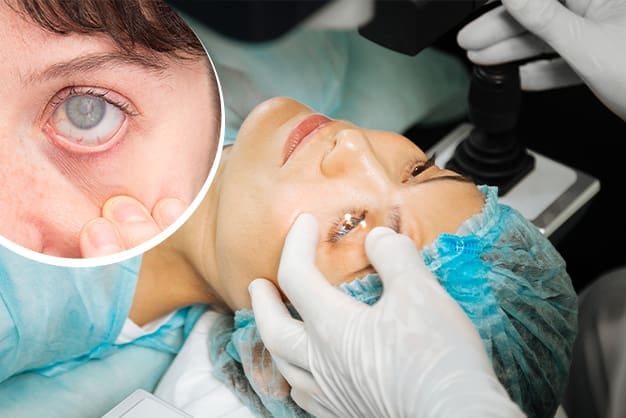
Cataract is an eye condition that develops gradually when the natural lens of the eye becomes cloudy. This affects how light passes through the eye and may lead to a slow decline in vision clarity over time. It is commonly associated with ageing, although other factors may also contribute to its development.
Individuals who notice changes in their vision are often assessed at an eye clinic in Singapore, where a structured evaluation may be carried out as part of eye screening and treatment. Understanding how cataract develops and progresses may help individuals seek timely medical advice when needed.
Cataract usually develops slowly, and early symptoms may not always be obvious. However, some common changes in vision may include:
In some cases, individuals may initially adapt to these changes without realising that a cataract is developing. As the condition progresses, the visual changes may become more noticeable and begin to affect daily activities.
Cataract progression varies between individuals. The clouding of the lens typically develops gradually and may affect both eyes, although not always equally.
As cataract progresses, vision may become increasingly blurred, and contrast sensitivity may decrease. This can make it more difficult to perform tasks in low-light environments or situations requiring detailed vision.
The rate of progression may depend on factors such as age, general eye health, and underlying medical conditions. Regular monitoring through eye screening and treatment in Singapore may help track these changes over time.
Cataract may begin to significantly affect daily life when vision changes interfere with normal activities such as:
At this stage, individuals may begin seeking medical advice for cataract treatment options. An assessment at an eye clinic in Singapore may help determine the extent of visual impairment and whether further management is required.
In early stages, Cataract Treatment may involve observation and regular monitoring. Patients may be advised to update their spectacles or adjust lighting conditions to support daily visual tasks.
However, cataract is generally a progressive condition. As vision changes become more significant, surgical options may be discussed with a cataract specialist during consultation.
Treatment decisions are typically based on how much cataract affects a person’s ability to carry out daily activities rather than on a fixed timeline.
There is no specific time point at which cataract surgery is required. Instead, the decision is usually based on clinical evaluation and the patient’s visual needs.
A cataract surgeon may assess several factors, including:
When cataract begins to interfere significantly with vision, cataract surgery may be discussed as a treatment option.
Cataract surgery is a procedure that involves removing the clouded natural lens and replacing it with an artificial intraocular lens. It is commonly used when non-surgical measures are no longer sufficient to manage visual impairment.
In cases of eye cataract, surgery may be considered when the condition affects quality of life or daily visual performance. The procedure is generally planned after a detailed assessment by an eye care professional.
In some cases, Bladeless Cataract Surgery may be discussed as part of surgical planning depending on clinical suitability.
This approach involves laser-assisted steps during cataract surgery. However, the suitability of this method varies between individuals and is determined after medical assessment.
Bladeless Cataract Surgery in Singapore may be considered based on factors such as:
A surgeon will typically guide patients on whether this option is appropriate.
Before proceeding with any form of surgery, a detailed eye examination is usually performed at an eye clinic.
This may include:
A specialist will review the results and discuss possible management options, including cataract treatment pathways.
When cataract significantly affects vision, cataract surgery may be considered as part of treatment planning.
The procedure involves removal of the cloudy lens and replacement with an artificial lens. This approach is commonly used in managing cases where vision impairment impacts daily life.
An eye clinic or ophthalmology clinic plays an important role in the overall management of cataract. Services may include:
These services support a structured approach to managing cataract progression.