Of course, crypto coins aren’t only used for gambling. So, what really sets them apart from each other in the real world?

Bitcoin and Tether (USDT); you’ve almost certainly heard of them. Although they’re both very popular and well known, they also serve very different purposes. While Bitcoin is the OG decentralized digital asset, USDT is a stablecoin, often far more stable and reliable than traditional digital currencies.
Of course, this means that they’re used very differently from each other. While stablecoins have become very popular with online gambling platforms, like USDT casinos, Bitcoin remains on top of the traditional cryptocurrency world despite its wild swings in value.
Let’s take a look.
Bitcoin (BTC) was the original, the OG, the one that started it all. The original creator of Bitcoin wanted a decentralized, digital currency that would be far removed from central authority and banks.
Bitcoin is limited to having 21 million units, and new ones are created through a special process called mining, which involves computers, complex equations, and validating transactions.
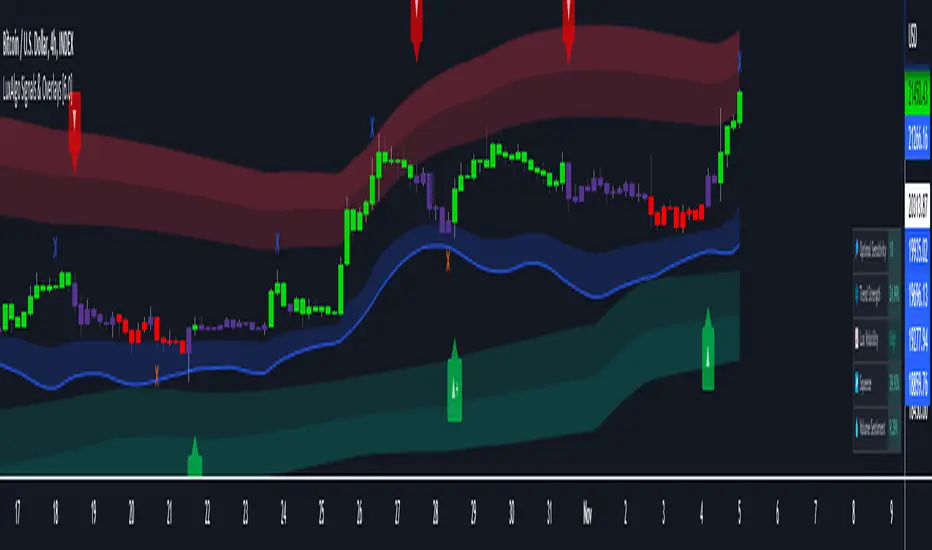
Most people tend to view Bitcoin as a form of digital gold rather than an everyday currency. The only real thing giving it value is its market demand, and it is well known for its extreme volatility. In fact, it has been known to lose or gain thousands of dollars in only one day.
While Bitcoin is a bit of a volatile mess being held up by hopes and dreams, USDT, also known as Tether, is a stablecoin. It’s designed to maintain the same value as a US dollar. Therefore, theoretically, there should be one US dollar or equivalent reserve asset for every USDT in existence.
Tether is not mined or based on speculation. It is linked to a fiat currency. In fact, this means that it is not nearly so volatile, which makes it way more practical for day-to-day things like payments, remittances, and especially online casinos.
Because of how stable it is, USDT is one of the most widely used stablecoins in the world today, especially when considering its use as an alternative to traditional currency on many digital exchanges.
Of course, volatility has to be at the top of the list. While Bitcoin’s price is riding a roller
coaster, Tether remains faithful to the United States dollar for the most part, often matching its value very closely.
This makes Tether far more valuable in everyday situations where stability is very important. Bitcoin, on the other hand, is far better suited for the long game.
Bitcoin is essentially the gold standard in digital currency. It has a limited number of units, 21 million. No more, no less. Its purpose was to go against centralization and fiat currency, and it is often used to combat inflation for those thinking of the future.
Tether is far better for everyday use. It’s a great way to move money from one exchange to another, pay for services, and a good option for transferring money internationally. In short, Bitcoin is an investment; USDT is cash.
Bitcoin has its own blockchain and is proof-of-work based. It needs a lot of power, both electric and computing, to create new coins and verify transactions.
As opposed to Bitcoin, Tether can be used on multiple blockchains, spanning from Ethereum to Solana. It doesn’t use mining; instead, it relies on the host blockchain for its consensus. What does this mean? A faster and cheaper alternative to transfer than Bitcoin.
Relative to the crypto world, Bitcoin transactions take a long time, often several minutes. When a lot of transactions are occurring at the same time, it can also get really expensive. Therefore, transferring small quantities is usually not worth it.
Tether, on the other hand, is frequently quick and cheap. Of course, this depends on the network on which it’s being used. This is one of the reasons that a lot of online casinos like it: it streamlines the process for players to deposit money, withdraw winnings, and get right to the game quickly.
Both coins are under the watchful eye of governments and regulators, but for different reasons.
The main worry with Bitcoin is the fact that it doesn’t have centralized oversight, and how it could be used in illegal transactions.
Tether is watched more because of how it appears to be backed by real-world currency. The company needs to actually hold the reserves it claims, and regulators keep a watchful eye to make sure, already having led to investigations and various fines.
It depends on what you want:
If you want a long-term investment, or something that could help you beat inflation, Bitcoin could be a great option.
If you want something quick, stable, and cheap, or like the idea of cryptocurrency without wild swings, Tether could be for you.
In the case of online and international transfers, Tether’s speed and stability make it the clear leader. For long-term investment, Bitcoin takes the lead, albeit with more risk.
Despite both being digital currencies, they have very different purposes from each other. Bitcoin tends to be volatile, decentralized, and based on the whims of the market. Tether is solid, stable, efficient, and very practical for more day-to-day applications. Understanding the difference between them can help you make better decisions and save you money within the cryptosphere. They are both very important for the digital economy of the world, but simply used in different ways.