Overcome common hurdles in online DNP programs with practical strategies for time management, clinical placements, financial planning, motivation
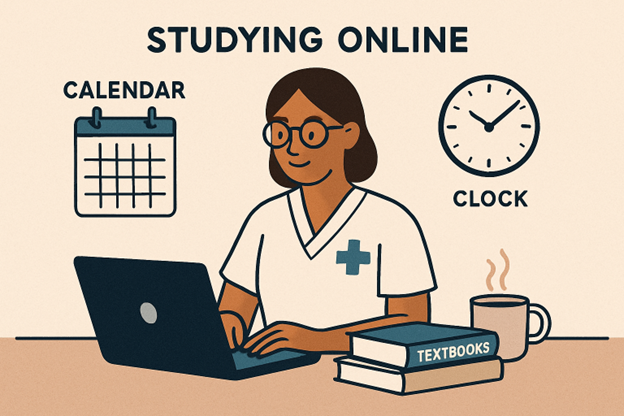
Table of Contents
Earning a Doctor of Nursing Practice (DNP) degree online has become attractive for nurses seeking career advancement while maintaining their work and family commitments. The flexible online learning format opens doors for professionals who may not be able to relocate or attend in-person classes; however, this pathway is not without its unique set of obstacles. Successfully navigating an online DNP program calls for intentionality, planning, and access to resources supporting academic and personal goals. For those embarking on this challenging journey, understanding what lies ahead is the first step toward overcoming potential roadblocks.
With the growing demand for advanced practice nurses and leaders in healthcare, pursuing DNP nursing education online can dramatically impact your scope of practice and future career. As you embark on your DNP, you may face common, but manageable, hurdles—each with practical strategies to mitigate their impact and ensure you reach the finish line.
Prospective DNP students need to recognize the self-driven nature of online learning. The absence of traditional classroom structure can present opportunities and pitfalls, demanding a high degree of personal discipline. Fortunately, modern nursing programs offer many support services, cutting-edge technology, and flexible scheduling to help students cope with competing demands.
Balancing work, study, and personal life—while utilizing institutional and peer support—can significantly reduce burnout and promote long-term success for students. According to U.S. News & World Report, building strong support systems and maintaining open communication with faculty are key strategies for thriving in online DNP programs, such as those offered by Arkansas State University.
One of the main advantages of studying online is flexibility, but that same flexibility can make it challenging to stay organized and on track. Many DNP students must juggle coursework, clinical requirements, and professional and personal commitments, which can quickly lead to feeling overwhelmed if not managed proactively.
Online DNP programs often lack the face-to-face engagement found in traditional settings, which can result in feelings of loneliness and disconnection from the academic community.
Arranging clinical placements is often a top difficulty, particularly for online learners who may be distant from their institution's local partnerships. Local healthcare facilities may not have preexisting relationships with online programs, making placement coordination a logistical hurdle.
The financial aspects of DNP programs, including tuition, fees, and associated costs, can be daunting. Balancing these expenses with everyday obligations may add significant stress.
Online learning requires mature study skills, strong motivation, and advanced time management. Students accustomed to more structured classroom environments may find this transition challenging.
Adjusting to new educational technologies and troubleshooting technical issues can disrupt learning, especially for students less familiar with e-learning platforms.
Balancing coursework, job duties, and family life can be overwhelming, leading to increased risk of burnout among DNP students.
DNP programs are intensive and years-long, which can make it difficult to maintain motivation, especially during challenging periods or setbacks.
Successfully earning your DNP degree online is all about proactive planning, resilience, and utilizing available resources. By managing your time, staying connected, securing solid clinical experiences, supporting yourself financially, and maintaining motivation, you're set up to conquer the most common obstacles. With these strategies and a strong support network, online DNP students can emerge as confident, skilled leaders ready to transform healthcare.