Discover why good website design is vital for brand success and how it influences customer trust, conversion, and growth.
Your website is often the first interaction a potential customer has with your brand. Just like a physical storefront, it should reflect your identity, values, and professionalism. A visually appealing and easy-to-navigate site communicates trustworthiness and competence instantly. Think of a sleek, intuitive layout as the digital equivalent of a warm, welcoming handshake.
By investing in a Web Design Company that understands your goals, you’re already setting the tone for customer satisfaction and loyalty.
Visitors quickly judge a business by its website. Poor design elements—like cluttered layouts, unreadable fonts, or outdated graphics—can make your brand look amateurish. People associate the quality of your site with the quality of your products or services. A clean and modern site design tells users you’re professional and reliable.
This subconscious assessment happens in milliseconds. Your goal is to ensure your design passes that snap judgment with flying colors.
Good website design is not just about looks—it’s about usability. An intuitive interface keeps visitors engaged. Clear navigation, accessible buttons, and fast-loading pages contribute to a positive user experience. When users find what they’re looking for without friction, they’re more likely to stay, explore, and convert.
A positive user experience also reduces bounce rates, which search engines consider when ranking sites.
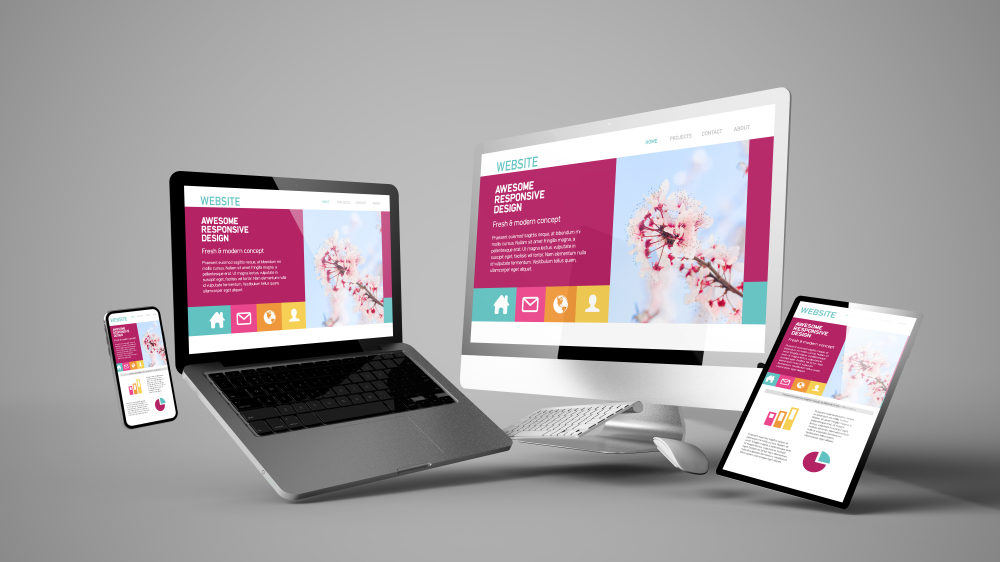
Today, most web traffic comes from mobile devices. If your site isn’t responsive—meaning it doesn’t adapt to different screen sizes—you risk losing a major portion of your audience. Good website design ensures that every visitor, whether on a phone, tablet, or desktop, receives a seamless experience.
Responsive design also improves your site’s SEO performance and usability across platforms.
A well-designed website supports your SEO efforts. Search engines like Google favor sites that offer excellent user experience, fast loading times, and mobile responsiveness. Structured layouts with proper heading tags, image optimization, and clean code contribute to better search visibility.
Poor design can hinder crawling and indexing, making it harder for your content to rank.
Design directly affects how users interact with calls to action (CTAs). Strategic placement of buttons, use of whitespace, and persuasive design elements guide users toward desired actions—be it signing up for a newsletter, making a purchase, or contacting you.
Subtle visual cues, like arrows or color contrasts, can drive user behavior and increase conversions significantly.
Your website’s design should echo your brand’s voice and values. Consistent color schemes, typography, imagery, and tone across all pages create a cohesive identity. When users recognize your brand through visuals and layout, they’re more likely to remember and return.
Think of your website as a digital ambassador that works 24/7 representing you.
Speed is crucial. Users expect pages to load in under three seconds, and delays can lead to frustration and abandonment. Good design includes optimized images, streamlined code, and efficient hosting to ensure quick loading.
Website Digitals figured this out the hard way when their clunky homepage scared away more visitors than it attracted—until they revamped it.
People are drawn to beauty. A visually appealing website can spark emotional responses, building stronger connections with your audience. From color psychology to imagery, every visual element should be carefully chosen to evoke the right feeling and reinforce your message.
Design aesthetics influence how people feel about your brand—and feelings often guide purchasing decisions.
Nothing frustrates users more than complex, confusing navigation. They should be able to find what they need in three clicks or less. Clear menus, logical page hierarchies, and consistent design make navigating your site effortless.
Good navigation reduces friction and supports accessibility for all users, including those with disabilities.
Even the best content won’t get read if it’s buried in a bad design. Proper font choices, spacing, and layout contribute to readability. Use headings, bullet points, and short paragraphs to make your content scannable.
Great design amplifies your message, helping users absorb information quickly and easily.
When users see the same level of design quality on every device, it builds confidence in your brand. A consistent experience—whether on mobile, tablet, or desktop—shows that you care about all your users, not just one segment.
It also encourages return visits and long-term loyalty.
Analytics can prove how design impacts performance. Track metrics like bounce rate, average session duration, and conversion rates to understand user behavior. If changes in design lead to better numbers, you’re on the right path.
Data-driven design decisions help optimize your site continuously.
Designing for inclusivity is not only ethical—it’s smart business. Good website design considers accessibility features like keyboard navigation, screen reader compatibility, and contrast ratios. This opens your brand to a wider audience, including users with disabilities.
An accessible site demonstrates that your brand values diversity and user needs.
Visually pleasing content is more likely to be shared. Integrate social sharing buttons into your design subtly but effectively. Shareable visuals like infographics or product images can amplify your brand’s reach across platforms.
Make it easy for visitors to spread the word with design that supports engagement.
In today’s digital age, good website design is no longer a luxury—it’s a necessity. It’s the bridge between your brand and your audience. From first impressions to final conversions, design touches every aspect of your user’s journey. Whether it’s boosting trust, enhancing usability, or increasing conversions, the benefits are too significant to ignore.
By prioritizing good website design, you’re investing in long-term brand success.