Strategies for sustainable logistics, from eco-friendly transportation to energy-efficient warehousing, to boost efficiency and reduce environmental impact
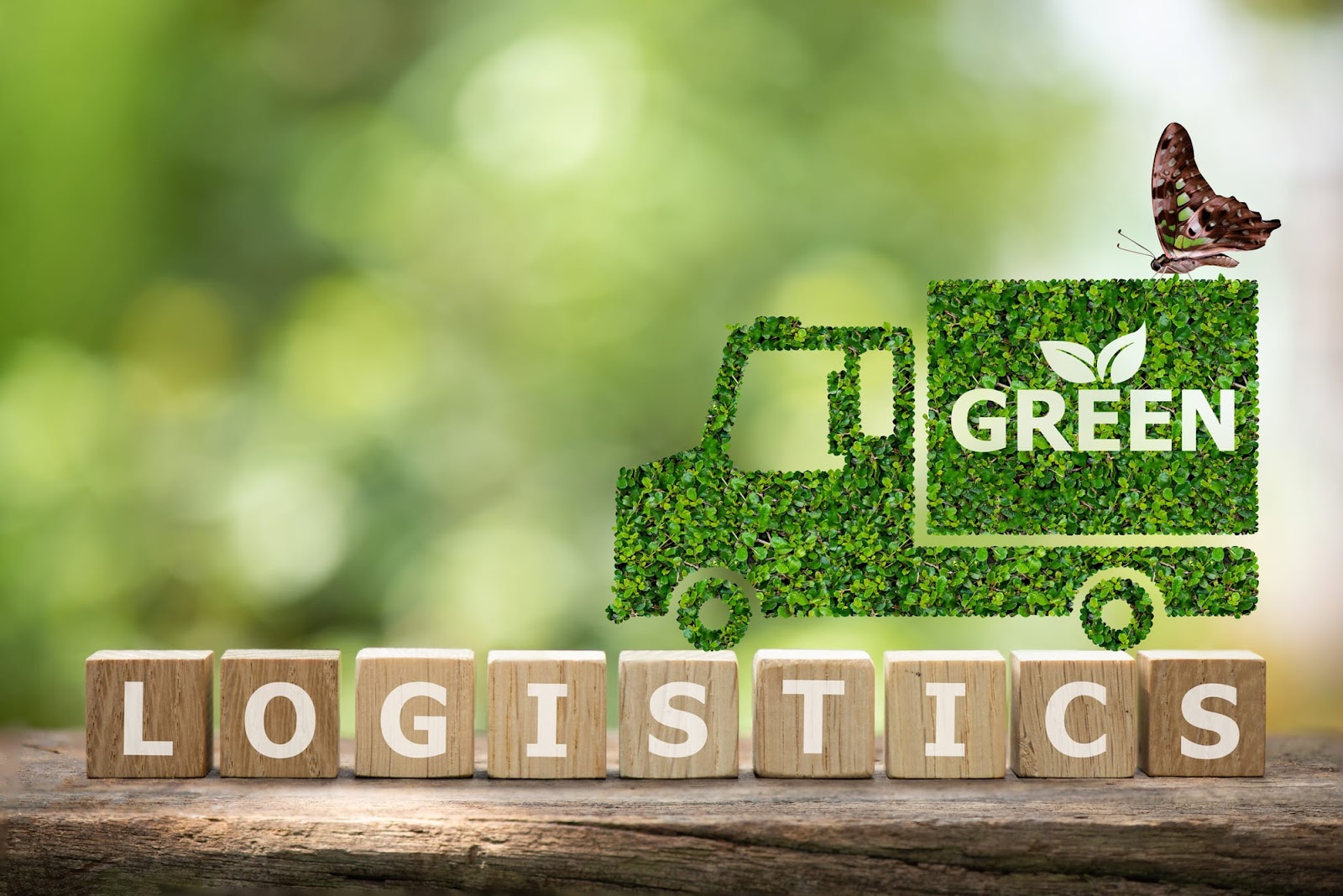
The logistics industry faces growing pressure to meet the rising demands of global supply chains while minimizing environmental impacts. Sustainable logistics, or green logistics, is crucial in meeting this challenge. By adopting eco-friendly practices, businesses can reduce their carbon footprint, enhance operational efficiency, and achieve long-term cost savings. As markets continue to expand, the importance of sustainable logistics grows, driven by stricter regulations, consumer demand for eco-conscious businesses, and the need to address climate change.
Sustainable logistics focuses on reducing environmental impact while keeping supply chains efficient. This includes cutting waste, optimizing transport routes, and using eco-friendly vehicles. By adopting these practices, businesses can align with Environmental, Social, and Governance (ESG) goals, build resilient supply chains, and support long-term sustainability.
Green logistics is becoming increasingly vital as awareness of climate change grows. Companies face pressure from consumers, governments, and stakeholders to adopt sustainable practices. Not only does this protect the environment, but it also enhances brand reputation and customer loyalty. Research shows 66% of consumers prioritize sustainability when purchasing, making an authentic sustainability strategy key to gaining a competitive edge.
Embracing green logistics can also drive innovation and cost savings. By optimizing logistics processes, such as using route planning software, businesses can reduce emissions and lower fuel costs. Leaders in sustainability set industry standards, fostering long-term success while contributing to a greener future.
To achieve sustainable logistics, businesses need to implement strategies that address various aspects of the supply chain. Here are some key approaches that can help drive sustainability while enhancing efficiency:
1. Comprehensive Sustainability Assessment
Begin by evaluating the entire logistics process to identify areas where sustainability can be improved. A thorough assessment helps uncover inefficiencies and highlights opportunities for integrating eco-friendly practices, ensuring sustainability goals align with operational needs.
2. Route Optimization and Load Efficiency
One of the most effective ways to reduce emissions and fuel costs is by optimizing transportation routes and maximizing load capacity. By using advanced route planning software, companies can minimize unnecessary travel time, reduce idle periods, and ensure vehicles are filled to capacity. This leads to more energy-efficient operations and lower carbon footprints while cutting transportation costs.
3. Greener Transportation Options
Transitioning to eco-friendly transportation methods such as electric or hybrid vehicles, or using biodiesel fuel, helps reduce carbon emissions and reliance on fossil fuels. Companies can also explore non-motorized options for last-mile delivery, contributing to cleaner air and more efficient operations.
4. Implement Energy-Efficient Warehousing
Warehousing is a critical part of the logistics process, and implementing energy-efficient practices within warehouses can lead to substantial energy savings. This includes using energy-efficient lighting, optimizing temperature control systems, and investing in renewable energy sources like solar panels. These measures not only reduce operational costs but also enhance the overall sustainability of logistics operations.
Energy-efficient warehousing can also improve working conditions for employees, leading to higher job satisfaction and productivity. By creating a more sustainable and comfortable work environment, companies can attract and retain talent more effectively. Additionally, energy-efficient practices can be a significant selling point for clients and partners who prioritize sustainability in their supply chains.
5. Sustainable Packaging
Shifting to recyclable, biodegradable, or reusable packaging materials reduces waste and aligns with growing consumer demand for environmentally conscious products. Sustainable packaging reduces environmental impact while enhancing the company’s reputation as an eco-friendly business.
6. Integrated Logistics Across Departments
Collaboration between different business departments, such as logistics, procurement, and operations, is key to a successful sustainability strategy. Partnering with suppliers who use sustainable practices and working with third-party logistics providers (3PLs) committed to green initiatives can strengthen sustainability efforts. By creating a network of eco-conscious partners, companies can ensure that sustainability is embedded throughout their entire supply chain.
7. Circular Economy Practices
Embracing the principles of the circular economy—such as reusing materials, reducing waste, and promoting product life cycle management—helps create a more sustainable and closed-loop logistics system. This not only reduces environmental impact but also contributes to a more cost-effective supply chain.
Adopting sustainable logistics practices offers both environmental and business advantages:
1. Cost Savings and Efficiency
Although the initial investment in sustainability may be high, businesses can achieve long-term savings through reduced energy consumption, optimized transportation, and waste minimization, ultimately boosting overall efficiency.
2. Enhanced Brand Image
Companies committed to sustainability enhance their reputation, attracting environmentally conscious consumers and investors. A strong green image builds customer loyalty and differentiates a brand in a competitive market.
3. Regulatory Compliance
Sustainable logistics help businesses stay compliant with growing environmental regulations, reducing the risk of penalties and ensuring smoother operations.
4. Competitive Advantage
Sustainability can set companies apart in the marketplace, appealing to eco-conscious customers and strengthening existing partnerships.
5. Waste Reduction and Resilience
Focusing on waste reduction and resource optimization creates a more efficient, reliable supply chain, ensuring fewer disruptions and improved long-term profitability.
Implementing sustainable logistics is critical for staying competitive, but it comes with challenges. Key obstacles include:
1. Executive Buy-in
Gaining support from top executives is crucial. Without their backing, it becomes difficult to push sustainability initiatives. Aligning sustainability with business priorities, such as improving brand image or reducing risks, can help secure executive approval.
2. Resource Constraints
Many companies struggle with limited resources, making it hard to execute sustainability efforts. Collaboration across departments is essential for scaling initiatives, as sustainability teams often lack the capacity to manage the entire workload on their own.
3. Incorporating Sustainability Across Teams
Sustainability initiatives must be integrated across departments to be effective. Involving all relevant teams, such as development or logistics, accelerates progress and ensures smoother execution.
4. Operational Efficiencies
Logistics offers a natural opportunity to adopt sustainable practices, such as optimizing routes and switching to electric vehicles. However, these efforts require leadership and recognition of their value within the company.
The future of sustainable logistics is one of innovation, efficiency, and environmental responsibility. As businesses adopt eco-friendly practices, they contribute to shaping a greener, more sustainable future. By committing to sustainability, the logistics industry is not only reducing its carbon footprint but also driving a transformation towards carbon-neutral operations. This shift is essential for protecting the planet while simultaneously creating new opportunities for businesses. Though challenges remain, the journey toward sustainable logistics holds immense promise, offering long-term benefits for both the environment and future generations.