Here is How Small US Importers Kept Shipping Costs Down While China Tariffs Climbed Rapidly.
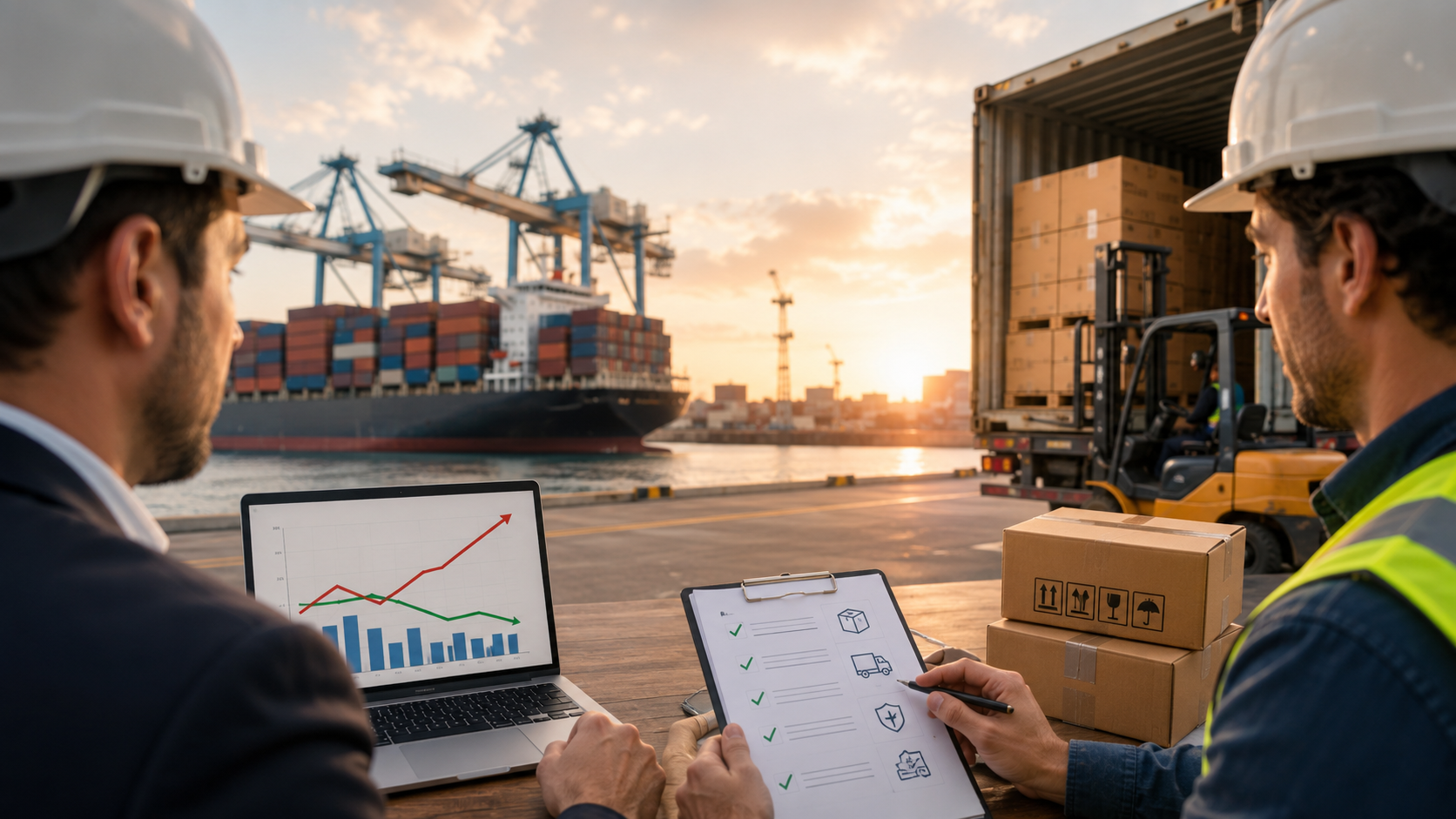
China tariffs placed massive financial pressure on US importers recently. As hardware and consumer goods faced much higher taxes, businesses needed immediate relief to survive. Optimizing the thousands of nautical miles between overseas factories and domestic warehouses quickly became absolutely essential for maintaining profitability.
While companies cannot negotiate federal trade policies directly, they actively control their shipping strategies. Partnering with a skilled freight forwarder allowed small businesses to offset sudden tariff hikes through intelligent cargo consolidation. Better logistics management effectively preserved their core profit margins.
Section 301 duties forced companies to reevaluate supply chain overhead permanently. Increased landed costs threatened tight margins, demanding rapid tactical shifts. Shippers realized managing transit across vast nautical miles required precision, as wasted container space burns limited capital needlessly every single voyage.
Small businesses actively abandoned default shipping terms recently. They took firm control of the complex logistics process to maximize physical efficiency and systematically reduce their overall landed costs across the board.
Many US importers aggressively transitioned from basic less-than-container load shipments to full container loads. Consolidating multiple international factory orders into a single sealed box drastically lowers the final per-unit shipping cost. This deliberate approach safely ensures no expensive cargo space remains completely empty during long transit.
Severe coastal congestion constantly drives up destination charges across the global supply chain. Bypassing major hubs for secondary regional ports significantly reduces expensive chassis fees and terminal penalties. Covering extra nautical miles over water often proves much cheaper than enduring unpredictable domestic rail delays.
Deliberately extending purchase lead times allows experienced buyers to select slower, much cheaper ocean vessels confidently. Rush orders consistently inflate freight bills rapidly and destroy fragile profit margins. Careful inventory forecasting strongly mitigates the frequent need for expensive expedited air shipments, keeping transportation budgets firmly intact.
Relying entirely on automated booking systems proved largely inadequate during recent severe tariff escalations. Dedicated human expertise quickly became the ultimate operational differentiator for modern businesses actively trying to survive tight profit margins and unpredictable global trade policies.
Tariff codes remain highly specific and are frequently misinterpreted by simple generic software. An experienced Freight Forwarder carefully reviews all product classifications to ensure total regulatory compliance. Correct product categorization frequently prevents companies from paying unnecessarily high import duty rates.
Active classification management strongly suggests that many manufactured goods legally qualify for lower tariff brackets. Direct expert intervention protects valuable working capital from aggressive government overcharges, returning essential money directly back to the importer.
Deep volume discounts are usually reserved exclusively for massive multinational corporations. However, an established freight forwarder strategically leverages pooled client volumes to negotiate highly competitive annual contract rates. This collective bargaining power confidently allows small importers to access premium pricing tiers securely.
The modern logistics industry features both basic digital platforms and dedicated management teams. Understanding the clear operational distinction helps importers allocate their shipping budgets effectively and avoid disastrous delays during peak seasons.
Standard software provides instant shipping quotes but completely lacks vital situational awareness during crises. Basic algorithms cannot negotiate exception management when commercial vessels abruptly skip planned destination ports due to weather. Digital systems typically treat every shipment as a generic transaction rather than a strategic asset.
Selecting the correct service model fundamentally determines your long-term supply chain resilience. A proactive freight forwarder quickly contacts carrier representatives to secure emergency space, safely ensuring goods traverse crucial nautical miles without prolonged delay. The following comparison clearly highlights these critical operational differences.
|
Feature |
Software Platform |
Expert Partner |
|---|---|---|
|
Customs Advice |
× General |
√ Tailored |
|
Rate Negotiation |
× Fixed |
√ Dynamic |
|
Issue Resolution |
× Reactive |
√ Proactive |
Small US importers successfully offset rising China tariffs by rigorously optimizing their physical supply chains. Partnering with a highly capable logistics team and mastering container utilization proved exceptionally effective. Taking direct control of ocean transit variables ultimately protects core business profitability against uncontrollable trade policies perfectly.