Read on to discover simple steps that can help any business manage plastic waste better and save money.
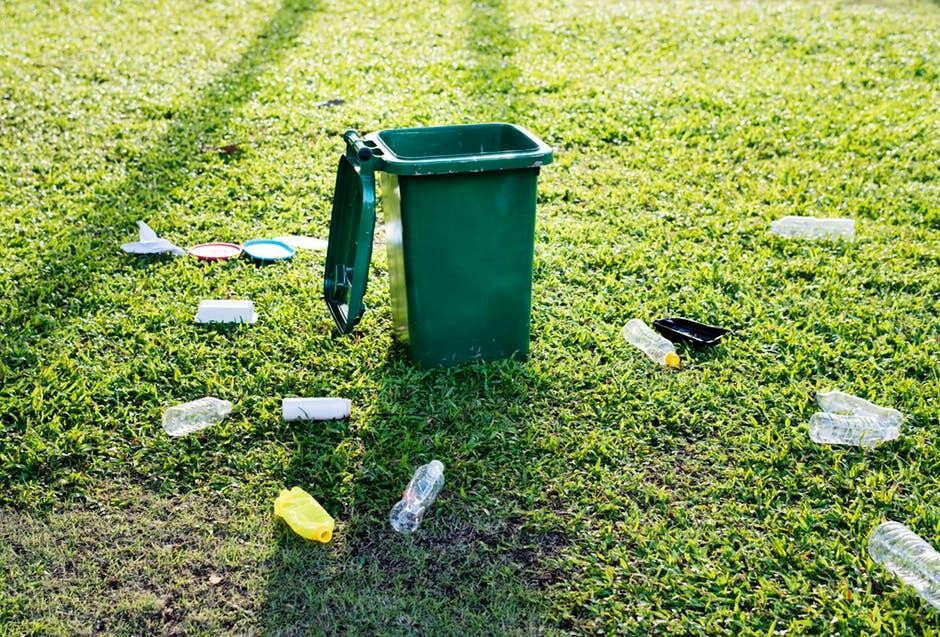
Have you ever wondered what happens to all the plastic waste businesses create? Every year, companies around the world throw away tons of plastic. This growing problem hurts the environment and costs businesses money.
But what if this waste could become something valuable? Today, many companies are looking for new ways to turn plastic waste into useful resources. It's not just good for the planet-it can help businesses too.
This guide will show how smart practices and better recycling can make a big difference. Read on to discover simple steps that can help any business manage plastic waste better and save money.
Understanding the Plastic Waste Problem
It's easy to find plastic trash. It ends up in dumps, rivers, and even the oceans. Many plastics don't break down for hundreds of years, and because of this, they build up quickly and pollute the environment.
Businesses cause a lot of this problem. It all adds up: every box, bottle, and bag. The trash will keep getting bigger if businesses don't do anything.
Figuring out how to fix a problem starts with understanding it. Firms are more likely to change when they see the results. Small changes can make a big difference.
Why Recycling Matters for Businesses
Recycling waste plastic benefits both businesses and the environment. It prevents plastic from being left in landfills. Furthermore, it conserves both raw materials and energy.
Waste disposal expenses can be reduced through recycling. In some cases, businesses even make money by selling recycled plastic. In addition, consumers are concerned about the environment.
They enjoy showing their support for environmentally conscious brands. Recycling can help businesses improve their public image. It is a prudent move for any business that aims to expand and succeed.
Types of Plastic Waste in Businesses
Businesses utilize various types of plastic. Bottles, bags, and packaging are common examples. When it comes to recycling, each type requires a unique procedure.
When it comes to recycling plastics, some are simpler than others. Transparent plastics are typically the least complicated. Colored plastics might require different handling.
Removing mixed plastics can be difficult. One way to make recycling go more smoothly is to sort waste. The first step toward improving recycling is to understand the different types of plastic a company uses.
Easy Steps to Reduce Plastic Waste
Plastic waste can be reduced by taking a few simple steps. To begin, make the switch to materials that can be reused. Offer products that require less packaging.
Encourage staff to use refillable bottles and cups. Choose vendors who use less plastic in their products. Establish transparent recycling bins in the workplace.
Educate staff on the most effective recycling methods. Tracking plastic use can help identify wasteful behaviors.
Employees should be rewarded for their environmentally conscious actions. Simple adjustments can result in significant cost reductions for any company.
Smarter Waste Sorting and Collection
It is easier to recycle materials if waste is first sorted. Label each bin clearly. Avoid mixing food waste, paper waste, and plastic waste.
Staff should be trained to adhere to these rules. To avoid mistakes, check the bins frequently. Prepare the plastic waste for recycling by cleaning it.
Plastic contamination can ruin entire batches. If you need advice, consult with the local waste collectors. Effective sorting makes recycling more efficient and less expensive.
Investing in Better Recycling Equipment
Modern tools make recycling easier for businesses. Machines can sort, wash, and shred plastics quickly. This saves time and effort for staff.
Buying or leasing recycling equipment can pay off. The PP PE film washing line is one example of a tool that helps clean and process plastic film waste. Look for machines that fit your business size and needs.
Regular maintenance keeps equipment running smoothly. Ask suppliers for training and support. Investing in the right tools makes recycling more efficient.
Partnering with Recycling Services
Choosing to collaborate with recycling services is a prudent decision. These businesses will collect and process your waste on your behalf. They can work with a variety of plastic applications.
Some provide pickup schedules tailored to your company. Others provide containers and instructional materials. Reliable partners can help monitor recycling progress.
They frequently share reports on waste reduction. By working together, you can save both time and resources. Expert support and advice benefit businesses.
Turning Plastic Waste into New Products
Numerous new products are created from recycled plastics. Furniture, toys, and even clothing can be manufactured from them in factories. To promote recycling, businesses can purchase these products.
To create new products, some businesses use their own recycled plastic. This type of recycling is referred to as closed-loop recycling. It helps save money while also reducing waste.
Customers enjoy seeing recycled plastic transformed into items they can use. By sharing these stories, you can build loyalty to your brand. Making products out of waste can be a source of inspiration for new business ideas.
Sharing Success and Inspiring Others
Notifying others of your progress encourages them to join in. Share your recycling successes on your company website or on social media. In your stories, describe the amount of waste that has been reduced.
Display images of new products made from recycled plastic. Employers should be commended for their contributions to recycling efforts. Hold events to educate both your employees and your customers about the importance of sustainability.
Provide visitors with the opportunity to tour recycling areas. Strong community support can be built through collaborative efforts.
Every company has the potential to become an industry leader in plastic waste solutions. Motivating other people to take action is mutually beneficial.
Turning Plastic Waste into Lasting Business Value
Businesses don't have to keep spending a lot of money on plastic waste. With a little planning, recycling, and responsible waste management, things that people throw away can be turned into useful resources that save money and help the environment.
Every change for the better, no matter how small, makes a business stronger and more stable over time. Companies that act now are better prepared for future customer problems and expectations. Smart choices can turn plastic waste into something useful that lasts.
Did you like this guide? Great! Please browse our website for more!